
When someone shares good news with you, saying the same thing over and over gets boring. Using “glad to hear that” in every email or chat makes you sound like a robot.
Learning different ways to express happiness helps you connect better with people. Whether you’re talking to your boss or texting a friend, mixing up your words shows you actually care about what they’re telling you.
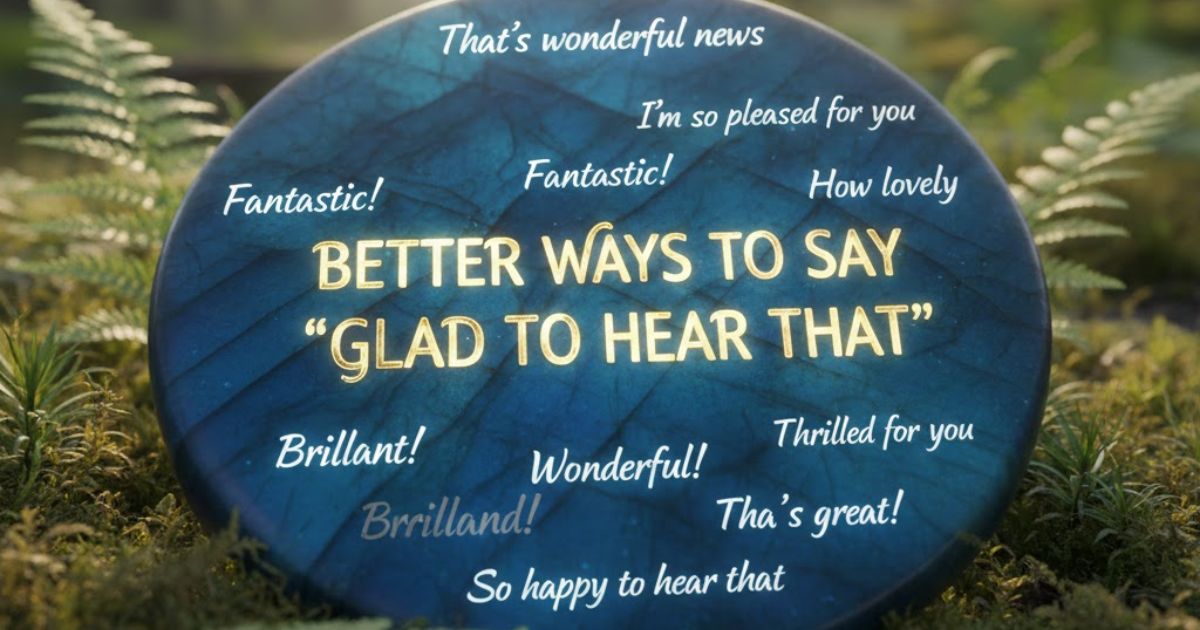
This guide shows you 10 other ways to say “glad to hear that” with real examples you can use today. You’ll know exactly which phrase works best for different situations.
Why You Need Different Ways To Respond
Positive responses make people feel good when they share updates with you. Saying “glad to hear that” works fine, but using it constantly makes your words lose meaning.
Changing your responses shows you’re really listening. A friend getting engaged deserves more excitement than a routine work update, right? Your words should match what’s actually happening.
Different situations need different responses. Talking to your boss needs more polish than chatting with your best friend. Having options helps you sound natural in any conversation.
Professional Ways To Say “Glad To Hear That”
Work situations need you to sound polished while staying friendly. These phrases help you respond well to colleagues and clients without sounding stiff or cold.
Your bosses and coworkers notice when you communicate thoughtfully. Using the right words builds respect and shows you pay attention to details.
That’s Excellent News
This phrase works great when something important happens at work. Use it when projects succeed, someone gets promoted, or your team hits a big goal.
It sounds professional while showing real excitement. The word “excellent” makes your response feel more thoughtful than just saying “good.”
Usage Examples:
- “I heard you got a promotion? That’s excellent news, congratulations!”
- “The client approved our proposal? That’s excellent news indeed!”
- “Your research paper got published? That’s excellent news, well done!”
- “The merger was successful? That’s excellent news for the company!”
- “Your health tests came back clear? That’s excellent news!”
Thank You for the Update
Use this when someone keeps you informed about ongoing work. It shows you appreciate them taking time to tell you what’s happening.
This phrase thanks them for communicating, not just for the news itself. It encourages people to keep sharing information with you, which helps everyone work better together.
Usage Examples:
- “The project finished ahead of schedule? Thank you for the update.”
- “I appreciate you keeping me posted about the meeting changes, thank you for the update.”
- “Thank you for the update on the new policy implementation.”
- “The issue has been resolved? Thank you for the update.”
- “Thank you for the update regarding the shipment arrival.”
Thank You for Telling Me
This works perfectly when someone shares important information with you. It shows you appreciate that they chose to inform you instead of keeping it to themselves.
People feel valued when you acknowledge their trust in you. When someone gives you a heads-up about budget news or client feedback, this response strengthens your relationship.
Usage Examples:
- “Thank you for telling me the conference room is available.”
- “The client’s positive feedback is encouraging, thank you for telling me.”
- “Thank you for telling me about the software upgrade.”
- “The budget approval came through? Thank you for telling me.”
- “Your insight into the audit findings was valuable, thank you for telling me.”
Delighted to Hear That
This phrase shows deeper happiness than just saying “glad.” It sounds professional while expressing genuine joy about the news.
The word “delighted” carries more emotion, making it perfect for truly big announcements. Use it when your team achieves something major or someone shares really significant news.
Usage Examples:
- “I’m delighted to hear about the research breakthrough.”
- “Your program acceptance? I’m delighted to hear that.”
- “I’m delighted to hear the company is expanding.”
- “Our proposal was shortlisted? I’m delighted to hear that.”
- “The partnership was finalized? Delighted to hear this news.”
That’s a Pleasure to Hear
This phrase works when you’ve been hoping for positive news. It shows relief and happiness together, especially when something you worried about turns out well.
Use it when someone reports good health news, resolved problems, or found solutions. The word “pleasure” adds warmth to your response.
Usage Examples:
- “Did your surgery go well? That’s a pleasure to hear.”
- “The lost item was found? That’s a pleasure to hear.”
- “The team resolved the conflict? That’s a pleasure to hear.”
- “You enjoyed the recommendation? That’s a pleasure to hear.”
- “Is the issue settled amicably? That’s a pleasure to hear.”
Casual Ways To Say “Glad To Hear That”
Talking with friends and family needs a more relaxed style. These phrases sound natural and friendly without any stiffness.
Close friends and family members appreciate responses that sound like you, not like a business email. These options keep things real while showing you care.
I’m Happy to Hear It
This straightforward phrase works like giving someone a high-five with words. It’s simple, genuine, and fits perfectly in everyday conversations.
Use this with friends when they share updates about passing tests, weekend plans, or daily wins. It sounds natural without being over the top.
Usage Examples:
- “You passed your driving test? I’m happy to hear that!”
- “The weekend trip is still on? I’m happy to hear it.”
- “Did the cake turn out well? I’m happy to hear it.”
- “Your family is visiting? I’m happy to hear that.”
- “The puppy is settling in nicely? I’m happy to hear it.”
That’s Good to Hear
Picture chatting with your neighbor over the fence about everyday stuff. This phrase fits those moments perfectly, it’s relaxed and easy-going.
Use this when someone tells you about nice weather coming, their car getting fixed, or kids enjoying an outing. It acknowledges the good news without making a big deal.
Usage Examples:
- “Is the weather nice for the outing? That’s good to hear.”
- “Your car is fixed? That’s good to hear.”
- “The kids enjoyed the museum? That’s good to hear.”
- “Is the neighborhood watch effective? That’s good to hear.”
- “Your garden is blooming? That’s good to hear.”
Fantastic News
Some news is so exciting you need to match that energy. This phrase shows you’re genuinely pumped about what they told you.
Use this when friends announce engagements, win competitions, or achieve personal goals. Your excitement should match theirs for the response to feel authentic.
Usage Examples:
- “You’re engaged? Fantastic news!”
- “You won the competition? Fantastic news!”
- “Is the trip fully booked? Fantastic news!”
- “Your poem is getting published? Fantastic news!”
- “You received the scholarship? Fantastic news!”
That’s Good News
This phrase has more warmth than just saying “good to hear.” It works when the news really matters to the person sharing it.
Use it when someone moves closer to family, shares about helpful programs starting, or tells you about positive changes happening. It shows you understand why it matters.
Usage Examples:
- “You’re moving closer to family? That’s good news.”
- “The school is starting a music program? That’s very good news.”
- “The park is getting upgraded? That’s good news.”
- “The lost hiker was found safe? That’s very good news.”
- “The community center got funding? That’s good news.”
I’m Thankful for That
Use this when the news personally helps you or someone does you a favor. It shows gratitude beyond just being happy.
When a friend offers to help with a project or finds your lost item, this response shows real appreciation. It’s stronger than simply acknowledging what happened.
Usage Examples:
- “You’ll help with the project? I’m thankful for that.”
- “You found my lost wallet? I’m thankful for that.”
- “You’re taking care of my pets? I’m thankful for that.”
- “The team covered my work while I was sick? I’m thankful for that.”
- “You’re driving us to the airport? I’m thankful for that.”
How To Pick the Right Response
Think about who you’re talking to first. Work contacts need formal phrases like “excellent news,” while close friends appreciate casual ones like “happy to hear it.”
Consider where you are too. Work emails need a different language than texts to family, even if you’re basically saying the same thing.
Look at how important the news is. Big achievements need enthusiastic responses, while small updates just need simple acknowledgment. Don’t use “fantastic news” for tiny things or “thanks for the update” for huge personal wins.
The goal is matching your energy to theirs. When you get it right, people feel heard and valued.
Making These Phrases Natural
Start using one new phrase each day until it feels normal. Keep this guide nearby at first, then you’ll automatically pick the right response.
Watch how other people respond to good news. Notice which phrases make conversations flow better and which ones fall flat.
Choose phrases that sound like something you’d actually say. Don’t force yourself to talk in ways that feel fake, just expand your natural style.
The best communication sounds like you, just with more variety. You’re not trying to be someone else, just giving yourself more options.
Quick Summary
Professional phrases like “that’s excellent news” and “delighted to hear that” work great at work. They sound polished while showing real enthusiasm.
Casual phrases like “I’m happy to hear it” and “that’s good to hear” fit everyday conversations with friends. They sound relaxed and real.
“Thank you” phrases recognize the effort someone made to share with you. They build trust and keep communication open.
Match your excitement to how big the news actually is. Small updates need simple responses, big achievements need celebratory ones.
Conclusion
These 10 other ways to say “glad to hear that” give you options for every situation. Whether you’re writing work emails or texting friends, having variety makes your responses feel genuine. Try using different phrases this week and notice how your conversations improve. People appreciate when you put thought into your words, and these alternatives help you express real happiness and support naturally.
Frequently Asked Questions
When should I use professional versus casual responses?
Use professional phrases at work with bosses and clients. Save casual phrases for friends, family, and close coworkers you know well.
Do these phrases work in emails and texts?
Yes, they work perfectly in all written communication. Just pick the phrase that fits your relationship with the person and the situation.
Is “glad to hear that” wrong to use?
No, it’s completely fine. These alternatives just give you variety so you don’t repeat yourself and can match different situations better.
How do I remember to use different phrases?
Try using one new phrase daily until it feels natural. Keep this list handy at first, then it becomes automatic with practice.
Do different cultures prefer different phrases?
Yes, some cultures like more formal language while others prefer casual talk. When unsure, be slightly more formal with international professional contacts.
Read More Articles: Thoughtgenic