

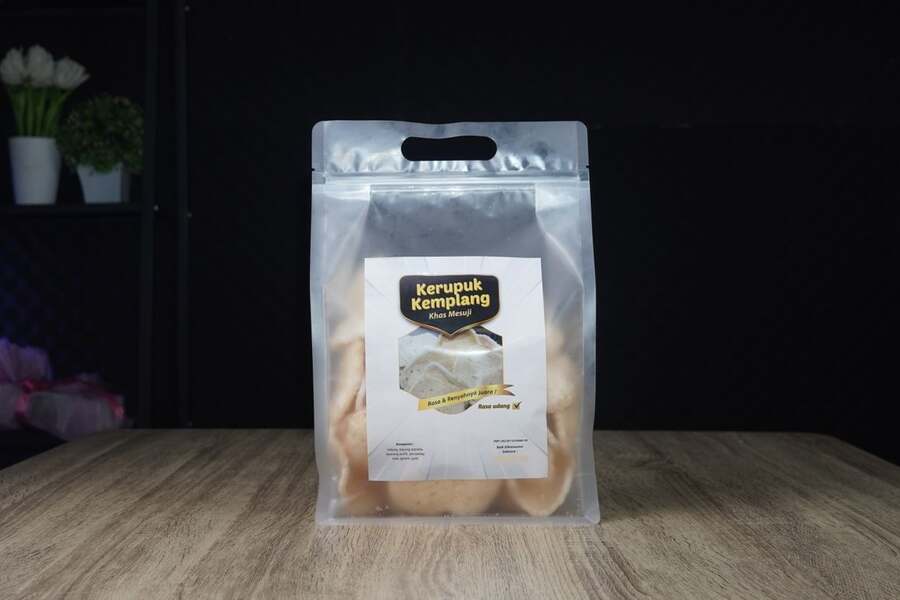
Retail packaging serves as more than just a protective shell for products; it plays a crucial role in shaping the overall customer shopping experience. In a competitive retail market, businesses must leverage packaging design not only to safeguard their products but to enhance consumer satisfaction and brand loyalty. This article explores how retail packaging impacts the customer journey and offers practical insights on optimising packaging to improve shopping experiences.
The Role of Retail Packaging in the Shopping Journey
Packaging is often the first tangible interaction a customer has with a product or brand. It influences perceptions of quality, value, and brand identity from the moment a consumer views or handles a product. Effective packaging communicates important information such as product features, usage instructions, and brand values, thereby aiding informed purchasing decisions.
In increasingly crowded shelf spaces, distinctive packaging helps products stand out and attract consumer attention. Materials, colour schemes, typography, and structural design all contribute to whether shoppers are drawn to a product or pass it by.
Enhancing Brand Recognition through Packaging
Consistent branding in packaging builds familiarity and trust with customers. Retailers can reinforce brand messaging by integrating logos, colour palettes, and signature design elements into packaging. This visual consistency ensures that products are instantly recognisable and maintains a cohesive brand presence across multiple shopping channels.
A well-designed package aligns with the brand’s tone and target audience, solidifying emotional connections that influence repeat purchases. Businesses looking to Build Your Shops
Packaging and Customer Expectations
Customers expect packaging to fulfil functional requirements such as protecting goods during transit and storage. Beyond practicality, however, modern consumers increasingly desire packaging that reflects sustainability and ease of use. Eco-friendly materials, recyclability, and minimalist designs appeal to environmentally conscious shoppers and demonstrate corporate responsibility.
Moreover, packaging that is simple to open and store enhances convenience and reduces frustration at the point of use. The tactile experience of packaging, including texture and ease of handling, contributes to overall satisfaction.
Retail Packaging as a Marketing Tool
Packaging offers an additional platform for marketing communication. Utilising packaging to highlight product benefits, promotions, or social causes can engage consumers more deeply. For example, including QR codes on packaging can link customers to digital content such as tutorials or loyalty programmes, bridging the gap between physical and online retail.
Strategic packaging can help differentiate products and justify premium pricing by conveying exclusivity or superior quality. Limited edition packaging or seasonal variations generate excitement and encourage timely purchases.
Impact on Customer Perception and Purchase Decisions
The psychology behind packaging affects how customers perceive value and make buying choices. Sophisticated, well-crafted packaging can elevate a product’s perceived worth, influencing willingness to pay.
Conversely, poor packaging may undermine confidence in the product’s quality or the retailer’s professionalism. Therefore, investing in high-quality packaging safeguards brand reputation and enhances consumer trust.
The Role of Packaging in Omnichannel Retail
With the expansion of omnichannel retailing, packaging must accommodate multiple distribution methods including in-store sales, home delivery, and click-and-collect.
Packaging designed for e-commerce requires additional considerations such as durability for shipping and compactness for storage. Clear labelling and easy returns information also improve the post-purchase experience when buying online.
Designing Packaging for Customer Engagement
Creating packaging that engages customers involves understanding their preferences and behaviours. Research and consumer testing can identify packaging features that resonate with target audiences. Elements such as vibrant colours, clear typography, and innovative shapes may improve shelf impact and interaction.
Personalisation of packaging, for example through custom messages or names, can foster unique experiences and strengthen customer loyalty.
Environmental Considerations in Retail Packaging
Environmental concerns are reshaping packaging strategies across the retail sector. Retailers adopting sustainable practices benefit from positive brand identity and meet regulatory requirements.
Using biodegradable materials, reducing packaging volume, and encouraging reuse are practical steps in this direction. Transparent communication about sustainability efforts on packaging itself supports customer alignment with brand values.
Technological Innovations and Future Trends
Advancements in packaging technology further enhance the customer experience. Smart packaging equipped with sensors or NFC tags can provide real-time information about product freshness or authenticity.
Augmented reality integration allows customers to interact with packaging through smartphones, adding engaging layers of information and entertainment.
Case Studies: Successful Use of Packaging in Retail
Several retailers have achieved notable success by prioritising packaging in their customer experience strategy. Luxury brands often use premium materials and elaborate designs to convey exclusivity, while fast-moving consumer goods may focus on convenience and sustainability.
Such examples demonstrate the measurable impact of packaging on brand image, sales, and consumer satisfaction.
Practical Steps for Retailers to Improve Packaging
Retailers aiming to enhance their packaging should start with comprehensive assessments of current packaging performance. Collaboration with designers and suppliers ensures materials and design meet both branding and logistical requirements.
Customer feedback and retail staff insights provide valuable input for continuous improvement.
Conclusion
Retail packaging significantly influences the customer shopping experience by affecting perception, convenience, and emotional engagement. Thoughtful packaging strategies that balance aesthetics, functionality, and sustainability not only protect products but also foster stronger brand connections and drive sales.
Retailers seeking to optimise their customer experience would benefit from integrating packaging considerations into their broader marketing and operational frameworks. Resources such as Build Your Shops provide guidance on developing effective retail environments inclusive of packaging excellence.