

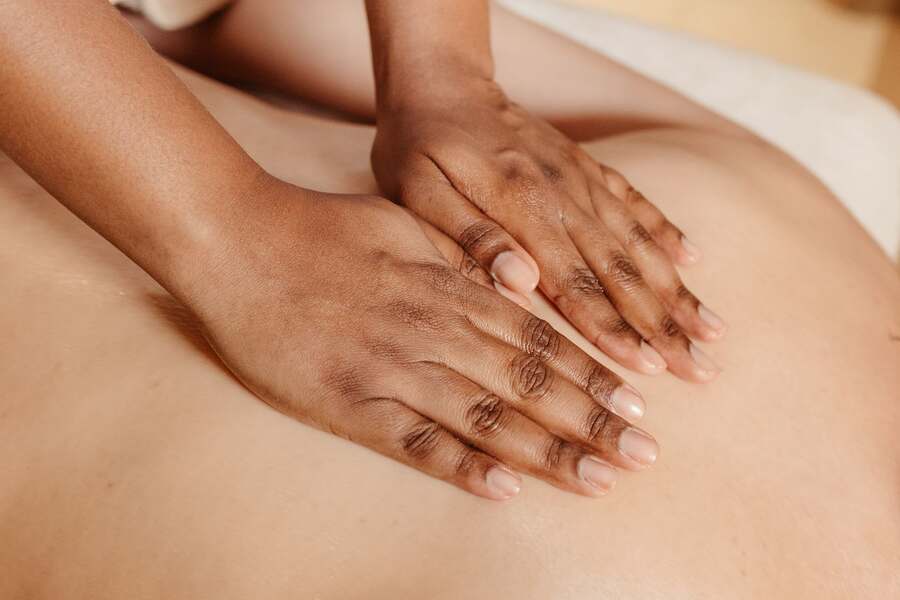
The lymphatic system is a critical component of the human body, playing an essential role in maintaining fluid balance, supporting immune function, and facilitating the removal of waste products. Lymphatic drainage is a specialised therapy designed to stimulate the lymphatic system, promoting optimal health and wellbeing. Enrolling in a professional lymphatic drainage course provides practitioners with the necessary skills and knowledge to deliver effective treatments and improve patient outcomes.
Understanding the Lymphatic System
The lymphatic system consists of a complex network of vessels, nodes, and organs that work together to transport lymph fluid throughout the body. This fluid carries waste products, toxins, and immune cells, playing a crucial role in protecting the body against infection and disease. When the lymphatic system is impaired, it can lead to swelling, inflammation, and a compromised immune response.
The Purpose of Lymphatic Drainage
Lymphatic drainage is a gentle therapy that encourages the natural flow of lymph fluid through the body. By manual manipulation of the skin and underlying tissues, the therapy supports the elimination of metabolic waste, reduces oedema, and enhances circulation. These benefits make lymphatic drainage a valuable treatment option for a variety of conditions, including post-operative swelling, chronic venous insufficiency, and certain autoimmune disorders.
The Importance of Proper Training
Due to the delicate nature of the lymphatic system, it is vital that practitioners possess comprehensive training. Inappropriate techniques or excessive pressure can potentially harm the client or reduce the effectiveness of treatment. Therefore, undertaking an accredited lymphatic drainage course ensures practitioners have a thorough understanding of anatomy, physiology, and specialised massage techniques necessary for safe and effective therapy.
Course Structure and Curriculum
Most professional lymphatic drainage courses combine theoretical knowledge with practical skills training. Subjects covered typically include lymphatic anatomy, the physiology of lymph flow, indications and contraindications for treatment, and hands-on demonstrations of manual drainage techniques. These courses may also incorporate modules on client assessment and treatment planning to optimise therapeutic outcomes.
Techniques Taught in Lymphatic Drainage Courses
The methodologies taught in lymphatic drainage courses focus on gentle, rhythmic movements that encourage lymph fluid to move through specific pathways in the body. Practitioners learn various strokes such as stationary circles, pump techniques, and sweep strokes that are applied primarily to the skin’s surface. The intention is to stimulate lymph vessels without causing discomfort or disrupting healthy tissues.
Health Benefits of Practising Lymphatic Drainage
Regular application of lymphatic drainage therapy has been shown to provide numerous health benefits. These include a reduction in swelling, improved immune system function, enhanced detoxification, and decreased muscle tension. Additionally, many clients experience greater relaxation and relief from chronic pain conditions following treatment.
Applications in Medical and Aesthetic Fields
Lymphatic drainage is not only beneficial for general health but also holds significance in medical and aesthetic applications. Post-operative patients often benefit from the therapy as it decreases swelling and accelerates the healing process. In aesthetic medicine, lymphatic drainage supports skin health by reducing fluid retention and promoting tissue rejuvenation.
Client Assessment and Customised Treatment
Effective lymphatic drainage therapy begins with a thorough client assessment to identify specific needs and health concerns. Practitioners trained through a recognised lymphatic drainage course learn to assess contraindications such as infections, cardiovascular conditions, or malignancies. Customised treatment plans are then developed to ensure patient safety and maximise therapeutic benefit.
Developing Practical Skills
Hands-on practice is a key element of lymphatic drainage training. Through supervised sessions, students refine their touch, pressure application, and movement patterns to achieve optimal lymph flow stimulation. Quality courses provide ample opportunity to practise techniques on volunteers or mannequins, ensuring proficiency before treating clients independently.
Continuing Professional Development
As with many therapeutic disciplines, ongoing education is essential for practitioners. The lymphatic system is a dynamic subject, and advancements in research can impact treatment approaches. Therefore, maintaining skills through advanced workshops, seminars, and refresher courses is recommended for continued professional excellence.
Choosing the Right Lymphatic Drainage Course
Selecting an accredited and reputable training provider is key to gaining valuable skills. Prospective students should seek a course that offers comprehensive theory, practical experience, and recognised certification upon completion. Programmes such as those offered by lymphatic drainage course provide structured learning paths with expert instructors and evidence-based content.
Career Opportunities for Certified Practitioners
Professionals certified in lymphatic drainage enjoy diverse career prospects. These include working in physiotherapy clinics, wellness centres, rehabilitation units, and medical spas. The growing awareness of lymphatic health means increasing demand for qualified practitioners who can deliver specialised care focused on improving patients’ quality of life.
Integrating Lymphatic Drainage into Holistic Practice
Many health practitioners incorporate lymphatic drainage into broader wellness programmes. Complementary therapies such as aromatherapy, reflexology, and manual therapy can be combined to provide holistic care. Training ensures that therapists appreciate how lymphatic drainage fits within multidisciplinary treatment plans and supports overall health maintenance.
Conclusion
Mastering the techniques and knowledge in a lymphatic drainage course equips practitioners to offer effective support to clients experiencing lymphatic system challenges. Properly trained professionals play an essential role in enhancing patient recovery, reducing symptoms associated with lymphatic dysfunction, and promoting long-term health. As interest in lymphatic health continues to grow, so too does the value of specialised education and training.