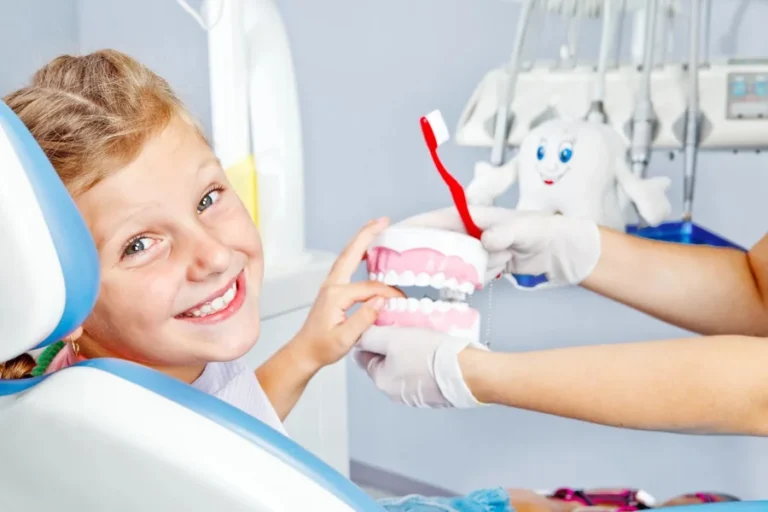

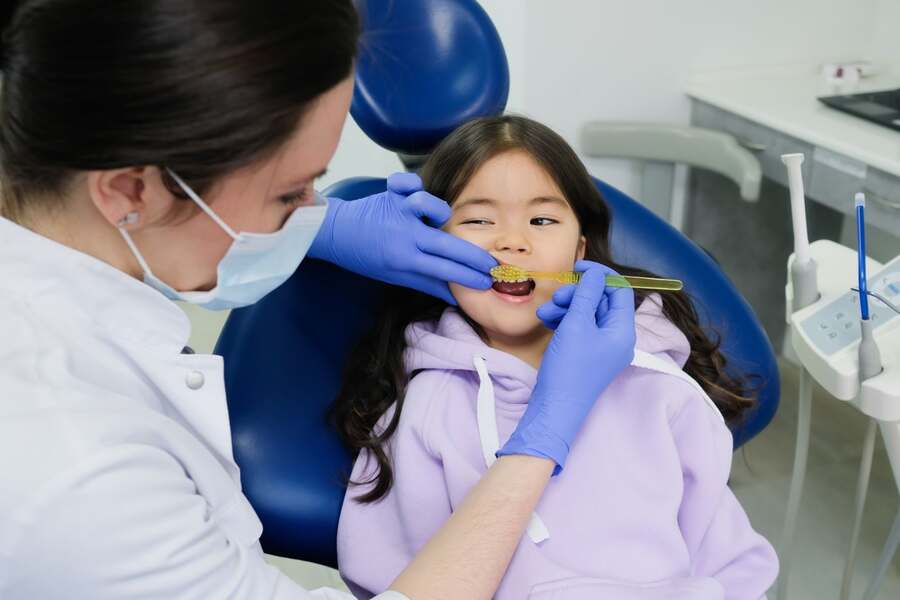
You may have noticed the first signs slowly. Your child’s teeth came in looking yellow, brown, rough, thin, or easy to chip. Maybe brushing causes pain, cold drinks sting, and meals that should be simple turn into stress. A Mount Kisco children’s dentist can help when a child has an enamel development disorder, and the problem is not just cosmetic. It can affect comfort, chewing, speech, confidence, and the way adult teeth and jaws develop over time.
That is why how coordinated care helps children with enamel development disorders matters so much. These conditions often need more than one type of dental support. A pediatric dentist and orthodontist can work together to protect weakened teeth, guide growth, and reduce the risk of bigger problems later. For many families, the goal is not perfection. It is relief, function, and a plan that makes sense.
Enamel defects affect more than appearance
Enamel is the hard outer layer of the tooth. When it does not form the right way, children may have teeth that wear down fast, break easily, trap plaque, or react sharply to heat and cold. One well known inherited condition is amelogenesis imperfecta, which affects enamel formation and can range from mild discoloration to severe enamel weakness.
You might be dealing with school age photos your child avoids, food choices that keep shrinking, or frequent dental visits that leave everyone tense. The strain builds because enamel problems do not stay in one lane. Sensitive teeth can lead to poor brushing because it hurts. Poor brushing can lead to more decay and gum irritation. Worn teeth can change the bite. A changed bite can affect jaw growth and crowding. What starts as enamel damage can turn into a much wider oral health issue.
Some children with developmental or medical conditions face added barriers to dental care, including sensory challenges, communication needs, or difficulty tolerating treatment. The National Institute of Dental and Craniofacial Research offers helpful information on oral health and developmental disabilities, which can help families understand why a tailored care plan matters.
Coordinated treatment protects teeth and supports growth
A pediatric dentist focuses on protecting young teeth, managing sensitivity, preventing decay, and helping children feel safe during care. An orthodontist looks at how the teeth and jaws fit together, how growth is unfolding, and whether bite problems are adding stress to already fragile teeth. When those two providers coordinate, treatment becomes more precise.
Picture a child with weak enamel and a deep bite. If the front teeth keep hitting too hard, restorations may fail sooner and tooth wear may continue. If crowding makes brushing hard, plaque builds faster around damaged enamel. In a coordinated model, the pediatric dentist may stabilize teeth first with fluoride treatments, bonding, sealants, or crowns, while the orthodontist plans timing for bite correction that protects those restorations instead of working against them.
This is where team based care for enamel disorders in children changes the experience. Instead of separate decisions that may conflict, the child gets one strategy with shared goals. Protect the tooth structure. Reduce pain. Support eating and speech. Watch jaw development. Time orthodontic treatment so it helps, not harms.
The American Academy of Pediatric Dentistry provides guidance on managing the developing dentition and occlusion in pediatric dentistry, reinforcing the value of growth based planning during childhood.
Pediatric dental and orthodontic care lowers long term strain
Parents often worry about cost, and that concern is real. Coordinated care does not always mean more treatment. In many cases, it means better timing and fewer setbacks. Replacing broken restorations again and again, waiting until pain becomes severe, or starting orthodontic treatment before teeth are stable can create more expense and stress over time.
A child with enamel defects may need protective crowns on molars, careful monitoring of eruption, and orthodontic planning that avoids unnecessary pressure on vulnerable teeth. Another child may only need desensitizing care, cosmetic bonding, and periodic bite checks. The right plan depends on severity, age, symptoms, and growth. A pediatric dentist and orthodontist working together can sort out what needs attention now and what can safely wait. Between specialist visits, a family dentist can also help parents evaluate changes in a child’s smile and flag new concerns early.
Comparison points families should weigh early
| Approach | What it often looks like | Likely result over time |
|---|---|---|
| Single issue treatment | Sensitivity treated only when pain flares, bite concerns watched loosely, restorations placed without long term growth planning | More breakage, repeated repairs, ongoing discomfort, missed timing for bite correction |
| Coordinated pediatric dentist and orthodontist care | Shared records, staged treatment, enamel protection first, growth and bite tracked regularly | Better comfort, stronger function, fewer treatment conflicts, more predictable long term results |
| Delayed care | Visits postponed because the child is managing, cosmetic concerns dismissed, sensitivity normalized | Worsening wear, harder eating and brushing, higher risk of decay, more complex treatment later |
Clear steps help you move forward
1. Track the signs in daily life. Write down what your child avoids eating, when sensitivity shows up, whether teeth chip easily, and any concerns about crowding or bite changes. Photos can help too. That record gives the dental team a clearer picture than memory alone.
2. Ask for a joint treatment plan. If your child has visible enamel defects, ask how the pediatric dentist and orthodontist will coordinate timing, materials, and follow up. You want to know which teeth need protection now, what growth issues need monitoring, and what future orthodontic treatment may involve.
3. Focus on prevention that your child can tolerate. Home care only works if it is doable. Ask about gentler brushing methods, prescription fluoride if appropriate, desensitizing products, and food strategies that reduce pain. Small changes done consistently matter more than a perfect routine that falls apart after a week.
Children with enamel formation disorders do better with a shared plan
Enamel formation disorders in children can feel overwhelming because the problem keeps showing up in ordinary moments, breakfast, toothbrushing, school pictures, birthday cake. The good news is that these conditions are manageable, especially when care is planned around the whole child instead of one tooth at a time. A pediatric dentist and orthodontist can protect weak enamel, guide developing bites, and help your child feel more comfortable in daily life.
If you are seeing signs of enamel weakness, sensitivity, or bite changes, do not wait for the next chipped tooth or painful meal to get answers. A coordinated dental evaluation can give you a practical plan and a clearer path forward.