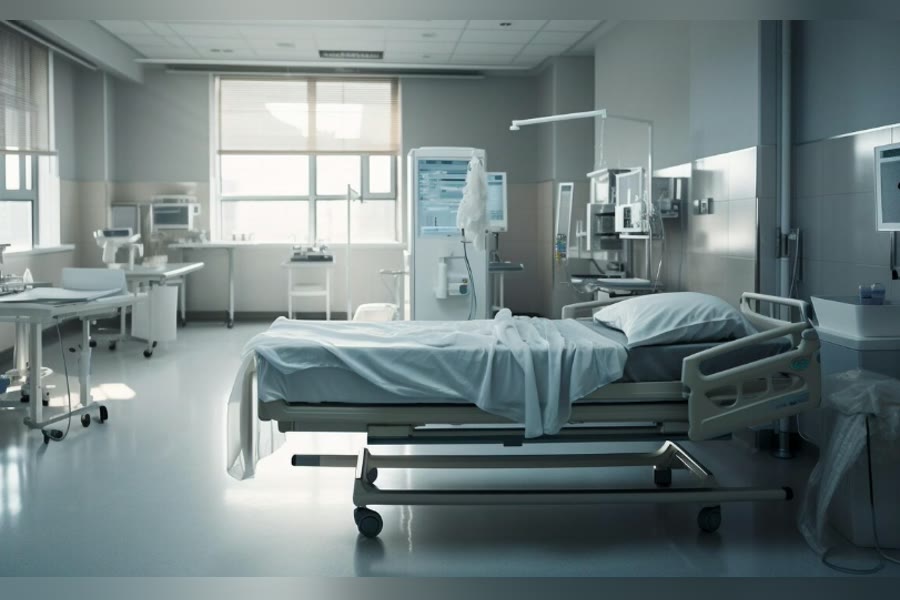
In the healthcare industry, hospital beds serve as more than just a place for rest; they are a crucial element of the patient care environment. The thoughtful design and functionality of these beds play a pivotal role in the recovery and comfort of patients, as well as the efficiency and safety of healthcare providers.
Evolution of Hospital Bed Design
Over the years, Hospital Beds have evolved significantly from simple, static platforms to highly sophisticated pieces of medical equipment. Early versions were primarily wooden constructions with minimal adjustments possible. With time, advancements in technology and a deeper understanding of ergonomics and patient care have transformed these beds into versatile and adjustable devices.
Modern hospital beds are equipped with electronic controls for adjustments in height and position, catering to the specific needs of each patient. These adjustments are crucial for aiding in patient mobility, improving circulation, and reducing the risk of pressure ulcers. The features enhance patient comfort and facilitate better accessibility for healthcare workers during examinations or medical procedures.
Features and Importance of Modern Hospital Beds
Today’s hospital beds come with a myriad of features designed to enhance patient care. One important aspect is the capability for positional adjustment, which is vital for patient mobility and comfort. Adjustable height and angle of sections such as the head, foot, and overall height of the bed are essential for delivering personalised care.
In addition, many modern hospital beds are equipped with side rails. These are not only to prevent accidental falls but also serve as support structures for patients when they are getting in and out of bed. The materials used are chosen for their durability and ease of cleaning, essential in maintaining hygiene standards in healthcare facilities. Features like these contribute significantly to patient safety and effective infection control.
Hospital beds are also designed to interface seamlessly with other medical devices. Integrated scales to monitor patient weight or adjustable platforms to accommodate intricate surgeries are some examples. Such integrations make it possible to provide comprehensive care efficiently. The beds’ mobility through wheels and braking systems allows for the swift movement of patients across different departments or emergency scenarios.
Patient Comfort and Pressure Ulcer Prevention
One of the defining factors in hospital bed design is the emphasis on patient comfort and the prevention of pressure ulcers. Pressure ulcers, also known as bedsores, are injuries to the skin and underlying tissue resulting from prolonged pressure on the skin. They commonly occur in bedridden patients and can lead to severe complications if not managed properly. For more on a related topic, you may find our article on how technology is improving healthcare services useful.
To prevent such occurrences, hospital beds are designed to facilitate shifting of the patient’s body weight, thus reducing concentrated pressure on any one area. Mattress technologies have advanced with features such as dynamic air and foam support systems providing optimal pressure redistribution. Adjustments in different sections also assist in minimising the risk of these injuries, promoting quicker recovery time for patients.
Technological Integration with Hospital Beds
With the advancements in technology, hospital beds have become integral components of the digital healthcare ecosystem. The integration of sensors and digital interfaces allows for the monitoring of vital signs, ensuring immediate responses to any fluctuations in the patient’s condition. Some systems send alerts to healthcare staff if a patient tries to leave the bed unassisted, improving patient supervision and safety.
Moreover, these advanced systems can be connected to electronic health records, enabling healthcare practitioners to access real-time data and historical medical information. Such connectivity not only enhances the precision and timing of medical interventions but also enriches patient engagement by involving them in their care through easy-to-use interfaces.
Customisation and Patient-Specific Needs
Hospital beds are designed with customisation in mind to meet diverse patient needs. This flexibility is vital given that patients range from individuals requiring long-term intensive care to short-stay patients such as those undergoing surgery. The ability to customise features like weight capacity, firmness of mattresses, and additional attachments makes hospital beds adaptable to various clinical settings.
For patients with specific medical conditions or those requiring bariatric care, specialised beds with extra width and robust structures support these specific needs without compromising on comfort or safety. Patient-specific customisations improve the overall quality of care and can enhance the positive outcomes of treatment regimes.
Challenges in Hospital Bed Management and Procurement
Despite the advances and benefits of modern hospital beds, healthcare facilities face challenges in procuring and managing these critical resources. High costs associated with advanced technological features and the need for regular maintenance of these beds can strain institutional budgets, especially in facilities catering to many patients with diverse requirements.
Strategic planning and efficient resource allocation are necessary to ensure that hospitals can provide state-of-the-art beds without compromising on availability. Hospitals often enter into partnerships with suppliers to facilitate continuous upgrades and enhance their stock of beds, ensuring they meet the demands of contemporary healthcare settings.

Future Trends in Hospital Bed Innovation
Looking to the future, hospital bed innovation is expected to continue at pace with the broader advancements in medical technologies and artificial intelligence. Smart beds, capable of interacting with other devices in healthcare settings, will play a more significant role in predictive healthcare by analysing data and trends.
Additionally, there will be increased emphasis on environmentally friendly materials and sustainable design practices in manufacturing hospital beds. This trend aligns with the global push towards sustainability and reducing the carbon footprint of the healthcare sector. Future designs will likely incorporate these features without sacrificing functionality, comfort, or safety standards.
In summary, the evolution and continued innovation in hospital bed design illustrate the critical role they play in modern healthcare. From basic comfort and safety features to cutting-edge technological integrations, today’s hospital beds provide a pivotal foundation for quality patient care.