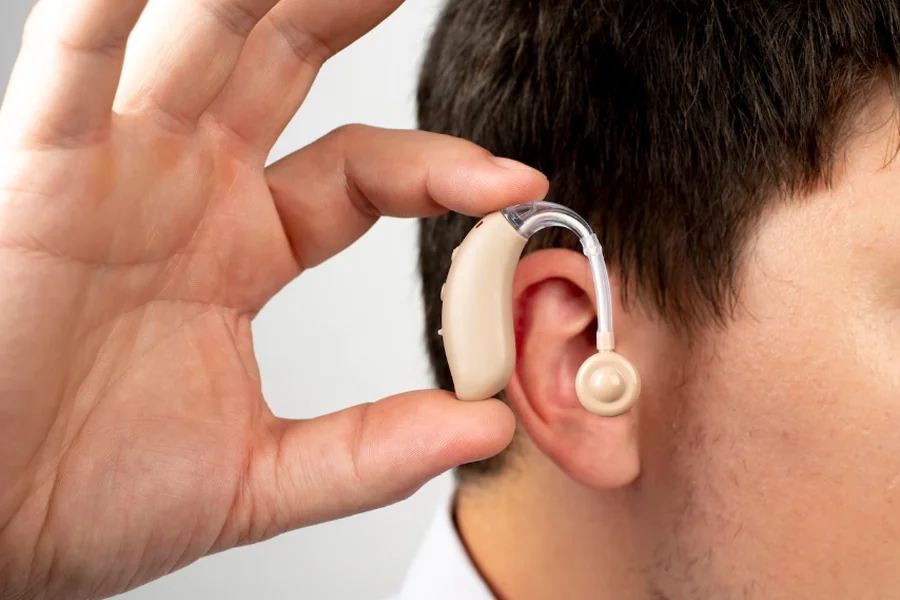
Purchasing hearing aids often represents a significant investment, and understanding how the cost is determined can be crucial for those needing these essential devices. The variation in “hearing aids cost” can be bewildering, as it is determined by several contributing factors, each affecting the final price differently. Those looking to understand more about this topic can find comprehensive information at Listening Lab.
Understanding the Price Range
Hearing aids are available across a broad spectrum of prices. Entry-level models may be relatively affordable, offering basic amplification and ensuring that individuals can hear better in less complex environments. However, for more sophisticated features, users will need to invest in higher-end models, which can be considerably more expensive. The complexity of the user’s hearing loss, lifestyle, and personal preferences dictates the appropriate choice of device, significantly influencing the cost.
Features Impacting Cost
Modern hearing aids come loaded with advanced features that affect their pricing. These include:
– Digital Signal Processing (DSP): This technology processes sound signals more efficiently, offering a clearer auditory experience. Devices with this feature tend to be more expensive due to the advanced technology involved.
– Bluetooth Connectivity: Allows users to wirelessly connect their hearing aids to smartphones and other devices for streaming music or phone calls. This convenience adds to the overall expense.
– Rechargeable Batteries: Many newer models offer rechargeable battery systems, eliminating the need for regular battery replacement but resulting in a higher initial purchase price.
– Directional Microphones: These aids can focus on the sound coming from a specific direction, which is an essential feature for those in noisy environments. The inclusion of directional microphones can therefore raise the cost.
Brand and Manufacturer Influence
The brand of hearing aids also plays a pivotal role in determining their cost. Established brands with a reputation for quality and durability command higher prices than lesser-known manufacturers. Consumers are often willing to pay a premium for reputable brands, as they tend to offer robust customer service and post-purchase support.
The Role of Professional Services
The acquisition of hearing aids usually involves professional services such as hearing tests, fittings, and follow-up consultations. These services ensure the device is tailored to the specific needs of the user, maximising the benefits of wearing hearing aids. However, these services are often bundled into the overall cost, contributing significantly to the price.
Insurance and Financial Assistance
In some regions, insurance may cover part or all of the cost of hearing aids, depending on the terms of the policy and the individual’s coverage plan. Various financial assistance programmes and subsidies might further reduce out-of-pocket expenses. It’s essential for consumers to investigate these possibilities to minimise their financial burden.
The Importance of Longevity and Maintenance
Hearing aids can be a long-term investment, often lasting five to seven years with proper care. Robust maintenance is crucial to protecting this investment, and some users may opt for extended warranties or service plans, which will also increase initial costs. Regular cleaning and check-ups help enhance the longevity of the device, which, in turn, improves the cost-effectiveness over time.
Technological Advancements
As with most electronic devices, hearing aids benefit from continuous technological advancements. The introduction of cutting-edge features such as artificial intelligence is transforming what users can expect from their hearing aids. While these technological improvements offer substantial benefits, they also contribute to increasing the complexity and cost of these devices.
Market Trends and Consumer Choices
Consumer demand is a strong driver of hearing aid prices. As users become increasingly informed and demand more advanced features, manufacturers are meeting these demands with sophisticated devices that command higher prices. However, competitive market dynamics can also lead to more affordable options as companies strive to attract cost-conscious consumers without compromising on essential functions.
Customisation Options
Customisations can make hearing aids more expensive but also more functional. From personalised ear moulds ensuring comfort to fine-tuned acoustic settings according to individual hearing profiles, these custom features enable users to maximise device effectiveness and personal comfort but add to the overall cost.
Evolving Needs and Upgrades
Users’ needs may evolve, necessitating upgrades or modifications to hearing aids. While investing in new parts or technology can be costly, it ensures that the hearing aids continue to meet the user’s auditory requirements. Being open to upgrades is often advisable for those intending to maintain optimal hearing health and experience.

Final Considerations
Purchasing hearing aids involves weighing the immediate financial outlay against the long-term benefits of improved hearing and quality of life. While the various features and additional services significantly influence prices, informed decisions based on personal needs and budget can lead to a satisfactory choice. With an understanding of what constitutes hearing aids cost, individuals can navigate the purchasing process more confidently and ensure they get the most value for their investment.