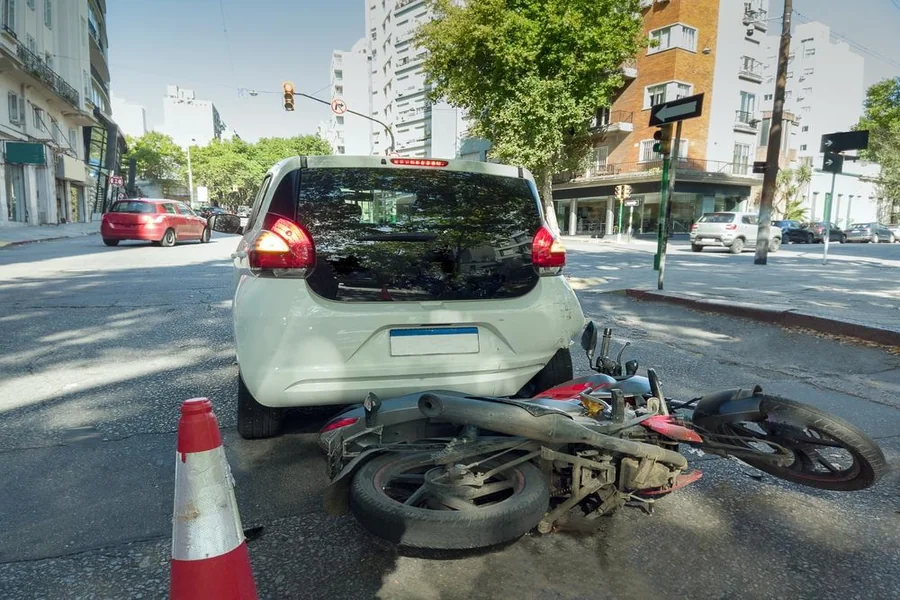
An intersection gives every road user a different direction to watch, and that can make it one of the most dangerous places for a motorcyclist. A car may turn across a rider’s path, another vehicle may run a red light, or a driver may simply fail to see a motorcycle approaching. Unlike people inside cars, riders have little protection between their bodies and the force of a crash. Even a collision at a busy crossing can cause serious harm. A rush-hour motorcycle accident lawyer may examine how road conditions and driving errors contributed to a crash.
Let’s look at the common reasons motorcycle accidents at intersections can lead to more severe injuries.
Turning Vehicles Create Direct Collision Risks
Left turns are a common source of danger at intersections. A driver waiting to turn may see a gap in traffic and move across the road without noticing an approaching motorcycle. Since motorcycles have a smaller shape, drivers may misjudge their distance or speed. The rider may not have enough time to stop before hitting the turning vehicle.
Right turns can create similar problems, especially if a driver moves into a lane without checking for a motorcycle. These crashes often involve a direct front or side impact. The motorcycle may fall, and the rider can be thrown onto the road or against another vehicle.
Limited Visibility Makes Motorcycles Easy to Miss
A motorcycle does not take up as much space as a car or truck, so it can be harder to notice at a busy crossing. Large vehicles, parked cars, trees, and road signs may block a driver’s view. Poor lighting can make the problem worse, especially during early morning or evening traffic.
Blind spots also play a part. A driver may check the side mirror but still fail to see a motorcycle near the vehicle. Some drivers also look for larger vehicles and overlook smaller ones. Checking mirrors, looking over the shoulder, and scanning the full road can help drivers notice motorcycles before turning or crossing.
Side Impact Crashes Offer Less Protection to Riders
A side impact can be especially dangerous for a motorcyclist because there is very little between the rider and the vehicle that strikes the bike. A car has doors, side panels, airbags, and a frame that may absorb some of the force. A motorcycle does not offer the same protection.
The rider may take the full force of the impact and then hit the pavement. Injuries can affect the head, chest, arms, legs, and spine. A helmet and protective clothing may reduce some injuries, but they cannot prevent every type of harm. The speed of both vehicles and the point of impact also affect how serious the injuries may be.
Sudden Stops and Signal Violations Increase Impact Severity
Traffic lights help control movement at intersections, but they cannot prevent crashes if drivers ignore them. A driver who runs a red light may enter a crossing just as a motorcyclist moves through it. A vehicle rushing through a yellow light can create a similar risk, especially if the driver tries to beat the signal instead of slowing down safely.
Sudden stops are another concern. A car may brake sharply because traffic ahead has stopped, leaving a rider behind with little time to react. Speeding through an intersection makes these situations even more dangerous because higher speed increases the force of a collision and the distance needed to stop.
Road Conditions and Intersection Design Add More Risks
Not every intersection offers a clear and smooth path. Loose gravel, oil spots, potholes, and wet pavement can make it harder for a motorcycle to stay balanced. A rider who needs to brake or turn suddenly may lose control on a slippery surface.
Poor road design can add to the problem. Faded lane markings, blocked signs, confusing turning lanes, and weak street lighting may make it harder for drivers and riders to understand where traffic is moving. Wide crossings can also leave motorcyclists exposed for longer as they travel through several lanes.
Why Motorcycle Riders May Suffer More Serious Injuries
A car’s frame and safety systems provide some protection during a crash, but a motorcycle rider is exposed to direct contact with other vehicles and the road. A collision can throw the rider off the bike, leading to a second impact with the pavement, a curb, or another vehicle.
The final injury depends on several factors, including crash speed, impact direction, protective gear, and the part of the body that receives the force. Head and brain injuries, broken bones, chest injuries, and spinal damage may occur in serious crashes. A rider may also suffer injuries from being struck again after falling from the motorcycle.
Intersection Safety Deserves More Attention
Intersections bring turning vehicles, traffic signals, blocked views, and changing road conditions together in one place. For motorcyclists, these risks can lead to direct impacts and serious injuries because they have little physical protection.
A rush hour motorcycle accident lawyer may review the crash details, including road conditions, vehicle movements, and available evidence. Careful driving, clear visibility, and safe turns can help reduce these dangers for everyone sharing the road.