
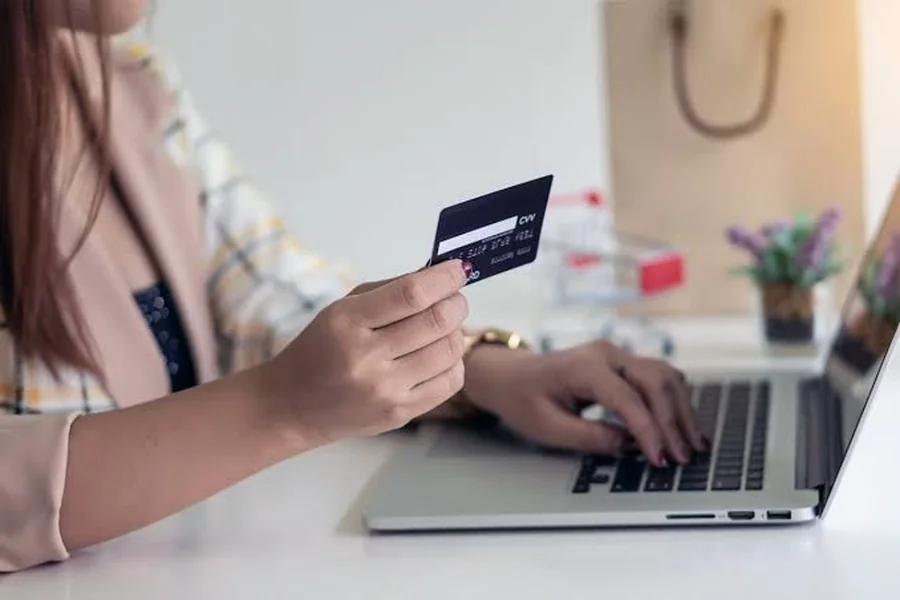
A saved card number removes almost every obstacle between an impulse and a completed purchase. Prepaid cards reintroduce a boundary that debit and credit accounts quietly removed: once the loaded balance runs out, the transaction simply fails.
That hard stop matters most where spending happens in small, repeated amounts. Streaming add-ons, in-app purchases, marketplace orders and online casino deposits all share a pattern of frequent low-value charges that add up quietly. Someone who funds a тcasino account with a prepaid card at slotoro online casino can only deposit what was loaded in advance, which keeps a session inside a figure chosen while calm rather than mid-play. Deposit limits inside the casino account work from the other direction, and the two combine well.
Why a Fixed Balance Changes Spending Behaviour
Payment method shapes how much a purchase hurts. Drazen Prelec and Duncan Simester reported in 2001 that participants in an auction experiment were willing to pay substantially more for the same tickets when told they would pay by credit card instead of cash.
Prepaid sits closer to the cash end of that scale. Loading a card is a deliberate act with its own moment of friction, and the balance visible in the app behaves like notes in a wallet rather than an abstract credit line.
A declined transaction is also a mechanical event rather than a judgement call, so it does not depend on willpower at the exact moment willpower is tested.
Choosing Between Prepaid Formats
Not every prepaid product behaves the same way, and the differences matter once refunds, payouts or recurring charges enter the picture. Reloadable cards suit ongoing budgeting; vouchers suit a single hard-capped spend.
| Format | How it is funded | Incoming payments | Suits |
| Reloadable prepaid card | Bank transfer, app top-up or cash at a retail point | Usually accepts refunds and payouts | Monthly budgeting across several merchants |
| Single-use voucher with a code | Bought at a fixed face value | Rarely accepts incoming money | One-off purchases and strict caps |
| Virtual prepaid card | Issued inside a banking or wallet app | Depends on the issuer | Online-only spending and subscriptions |
| Retailer gift card | Bought at a fixed value | No | Spending locked to one shop |
Expiry dates, inactivity charges and top-up fees differ widely between issuers, so the terms deserve a read before a card becomes part of a routine. A card that quietly loses value while sitting unused defeats the purpose.
Building a Monthly Prepaid Routine
A prepaid card only controls spending if the loading decision is separated in time from the spending decision.
- Decide the monthly figure for discretionary online spending while reviewing income and fixed costs, not while browsing.
- Load that amount once, at the start of the month, and keep the main bank card out of the browser.
- Remove stored card details from merchant accounts so the prepaid card is the only route to checkout.
- Check the remaining balance before any purchase above a small threshold.
- Let the month end with whatever is left, rather than topping up early and resetting the cycle.
Step five is where most people slip. Reloading mid-month is always possible, which is why some users keep the top-up behind a transfer that takes a day to clear. The delay restores exactly the pause that digital payments removed.
Prepaid Cards and Online Casino Budgets
Gambling budgets reward this approach because the entertainment is built around short, repeated transactions. Loading a set amount for the month turns an open-ended activity into something closer to buying tickets for an event: the price is known before it starts, and the entertainment ends when the balance does.
Prepaid funding also pairs well with the account tools regulated operators provide. Worth knowing:
- Withdrawals usually cannot return to a voucher-style product, so a bank account or e-wallet still needs to be registered and verified.
- Bonus wagering requirements apply to the bonus terms, not the payment method, and a small prepaid deposit does not shorten them.
- Deposit limits, session reminders, cooling-off periods and self-exclusion operate at account level and cover every payment method at once.
- Keeping gambling spending on its own card makes the yearly total visible in one place rather than scattered across a current account statement.
Where Prepaid Cards Fall Short
Treating a prepaid card as complete protection would be a mistake. Dispute and chargeback rights on some prepaid products are weaker than on credit cards, which matters for expensive goods bought from unfamiliar sellers. Subscriptions can fail awkwardly when a balance runs low, cancelling a service mid-cycle rather than warning you. Fees are the other weak spot: activation, top-up, inactivity and currency conversion charges each take a small bite. And a card with an instant top-up button no longer enforces anything, so the funding method deserves as much thought as the card itself.
Pick one category that regularly overshoots, give it a prepaid card of its own for three months, and compare the totals against the same period last year. The number usually settles the argument faster than any budgeting app.