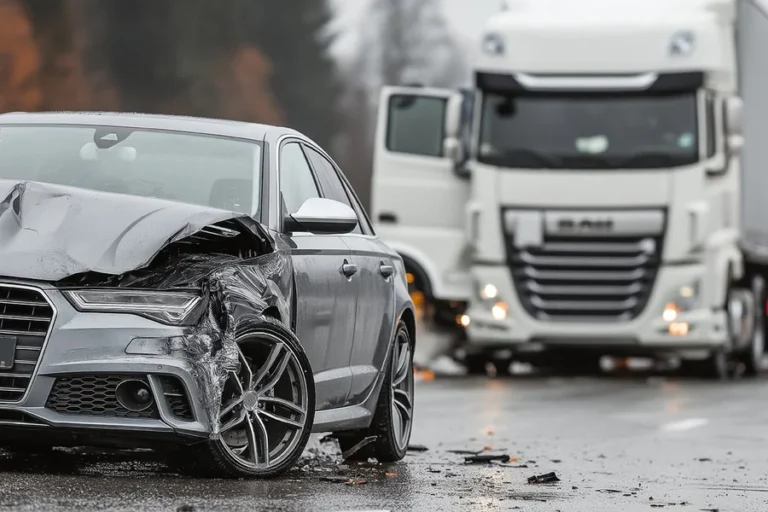
A collision with a semi-truck is nothing like an ordinary fender bender. A fully loaded big rig can weigh up to 80,000 pounds, many times heavier than a passenger car. When something goes wrong, the people in the smaller vehicle often suffer broken bones, spinal injuries, brain trauma, or worse. Recovery can take months or years, and the bills start arriving long before life returns to normal.
Truck crash cases are also more complicated than typical car accident claims. The driver is only one piece of the picture. Trucking companies, cargo loaders, maintenance shops, and their insurers may all play a role, and each one has lawyers working to limit what they pay. Experienced Santa Maria truck accident attorneys know how to follow the evidence beyond the driver’s seat and identify everyone who may be responsible. This guide explains how that process works and why acting quickly matters.
Why the Trucking Company Can Be Held Responsible
Under California law, employers are generally responsible for the careless acts of their employees while they are doing their jobs. This rule, often called vicarious liability, means a trucking company can be held accountable when its driver causes a crash while making a delivery.
But the company’s responsibility can go further than that. Trucking companies may also be directly at fault for their own choices, such as hiring an unqualified driver, ignoring safety violations, pushing unrealistic delivery schedules, or skipping required maintenance. These claims focus on the company’s decisions, not just the driver’s actions on the day of the crash.
Some trucking companies try to avoid responsibility by labeling drivers as independent contractors. That label does not always hold up. Courts look at how much control the company actually had over the driver’s work, and federal rules often place safety duties on the motor carrier whose authority the truck was operating under.
The Evidence Trail Unique to Trucking Cases
Commercial trucks generate far more records than passenger cars, and much of it can prove what really happened. Some of the most valuable evidence includes:
- Engine control module data, sometimes called black box data, which can show speed, braking, and throttle use in the moments before impact.
- Electronic logging device records that track a driver’s hours behind the wheel and can reveal whether federal rest rules were broken.
- Driver qualification files containing license history, medical certification, training, and past violations.
- Maintenance and inspection records showing whether brakes, tires, and lights were properly cared for.
- Dashcam footage and GPS data that can show the truck’s movements and whether the company pressured the driver to keep going.
Other records can matter too, including post-crash drug and alcohol test results, cargo loading documents, and video from nearby businesses or traffic cameras.
The problem is that much of this evidence does not last. Federal rules only require companies to keep certain records for limited periods, and electronic data can be overwritten as the truck returns to service. Attorneys often send a preservation letter, sometimes called a spoliation letter, soon after the crash. This formally notifies the trucking company that it must keep all relevant evidence. Destroying evidence after receiving that notice can lead to serious penalties in court.
Federal Rules That Shape Truck Crash Claims
Interstate trucking companies and their drivers must follow safety rules set by the Federal Motor Carrier Safety Administration, and violations of these rules can be strong proof of negligence. The regulations cover how long drivers can stay on the road, what qualifications and medical exams they need, how often trucks must be inspected and repaired, and how cargo must be secured and balanced. They also require trucking companies to carry much higher insurance than regular drivers, often starting at $750,000 and rising for hazardous loads.
The FMCSA’s hours of service regulations are a common focus in fatigue-related crashes, since tired driving is a well-known cause of serious truck collisions. When logs show a driver went over the limits, or a company encouraged it, that record can carry significant weight in a claim.
California Laws That Affect Your Recovery
Several state rules also shape how a truck accident claim works. California follows a pure comparative negligence system. That means an injured person can still recover damages even if they were partly at fault, but the award is reduced by their share of blame. Trucking insurers often try to shift fault onto the car driver, so strong evidence is essential.
Deadlines matter, too. California generally gives injured people two years from the date of the crash to file a personal injury lawsuit. If a government vehicle or a poorly maintained public road played a role, a formal claim with the government agency usually must be filed within six months. Missing these deadlines can end a case before it starts.
When a claim succeeds, injured people may recover compensation for past and future medical care, lost wages, and reduced earning ability if they cannot return to the same work. Damages can also cover pain, suffering, emotional distress, and vehicle or property damage. In wrongful death cases, families may seek funeral costs and compensation for the loss of a loved one’s support and companionship.
Truck Traffic in the Santa Maria Area
Santa Maria sits in the northern part of Santa Barbara County, where agriculture and transportation keep heavy trucks moving at all hours. Highway 101 runs straight through the city and carries a steady flow of freight between Los Angeles and the Bay Area, while Highway 166 connects the valley east toward Interstate 5 and the Central Valley. The Santa Maria Valley’s strawberry fields, vegetable farms, and vineyards create a constant demand for produce haulers and refrigerated trucks, especially during harvest season. Busy roads like Betteravia Road, Main Street, and Broadway see a mix of commercial trucks, farm equipment, and local commuters, which raises the risk of wide-turn, rear-end, and intersection crashes. Injury lawsuits from the area are generally handled by the Santa Barbara County Superior Court, which has a courthouse in Santa Maria, so local knowledge of the court system can help keep a case moving.
Steps That Protect a Truck Accident Claim
What you do after a crash can make a real difference in the strength of your case. Getting medical care right away is the most important step, even if your injuries seem minor at first, because some serious conditions take hours or days to show up. Calling the police creates an official report, and if you are able, photographs of the scene, the vehicles, road conditions, and your injuries can help preserve details that fade quickly.
It also helps to write down the trucking company’s name, the truck‘s DOT number, and its license plate, along with contact information for any witnesses. Keep every medical bill, pay stub, and repair estimate in one place. Finally, be careful with the trucking company’s insurance adjuster. Avoid giving a recorded statement until you have spoken with a lawyer, since early comments can be used to shift blame or reduce the value of your claim.
Building a Case Against Powerful Opponents
Truck crash victims often face large companies with deep pockets and rapid response teams that arrive at crash scenes within hours. Leveling the playing field means acting fast to preserve evidence, understanding the federal and state rules that apply, and identifying every party who may share responsibility. For people injured on Santa Maria roads, a clear understanding of these issues is the first step toward a fair recovery and a more secure future.