

Table of Contents
- The Dinner Rush Starts Before the First Order Is Answered
- Find the Bottlenecks Before Changing the System
- Build a Call Flow That Matches the Shop
- Reduce Order Errors With a Repeat-Back Routine
- Keep the Customer Experience Human
- Treat Reliability as an Operations Issue
- Review Calls After the Rush
- A Simple Rush-Hour Playbook
- Common Questions From Pizzeria Owners
- Conclusion
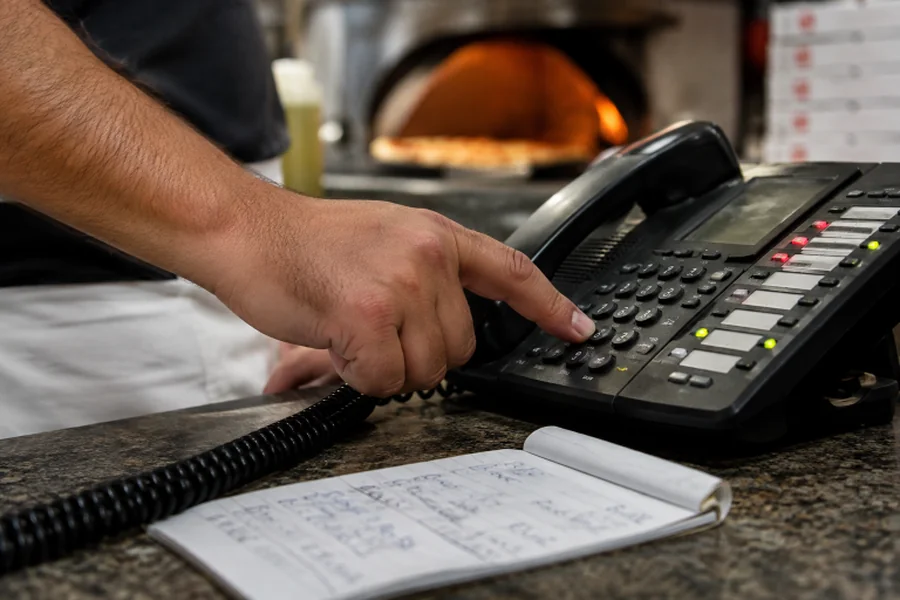
For a busy pizzeria, the dinner rush often begins before the first ticket reaches the kitchen. Phones ring while employees greet walk-in guests, take payments, assemble boxes, check delivery status, and answer questions about the menu. A practical phone process helps the team protect orders without making customers feel rushed or ignored.
That process may include staffing changes, clearer scripts, and technology designed for peak ordering periods. For example, VoIP and call routing for food service businesses from Clarity Voice is built around pizzeria operations, with configured call routing, shared lines, POS-ready caller information, LTE failover, and around-the-clock support. Clarity Voice works with pizza businesses across the United States, giving the company focused experience with the communication and connectivity issues that can arise during high-volume service.
The Dinner Rush Starts Before the First Order Is Answered
Phone demand commonly rises alongside counter traffic and kitchen activity. Consider a small shop that receives six calls in five minutes while two employees are already helping customers at the register. If one person must also watch the phones, that employee can quickly become the bottleneck.
An unanswered call may be a lost order, but it can also create repeat calls, delayed pickups, and frustrated guests. The goal is not to make every interaction feel automated. It is to give callers a reliable path to an answer while allowing the in-store team to keep moving.
Find the Bottlenecks Before Changing the System
Track the current phone workflow for at least one week, including a busy weekday and weekend shift. Managers should ask:
- How many calls arrive during the busiest 30-minute period?
- How long do customers wait before someone answers?
- Can more than one employee answer the main number?
- What happens when every available employee is already on a call?
- Are missed and abandoned calls reviewed before the shift ends?
- How many callers phone again to ask about an existing order?
Measure missed calls, average answer time, hold time, abandoned calls, order corrections, and refunds. These numbers turn vague frustration into a specific operational problem that can be fixed.
Build a Call Flow That Matches the Shop
Route Calls to Available People
A call flow should reflect the shop’s hours, staffing levels, delivery area, and peak periods. During the rush, several phones may ring at once, so a trained employee can answer from the counter, prep area, or office. If the first person is occupied, the call should move to a designated backup rather than simply going unanswered.
Set separate rules for after-hours calls, holiday closures, catering questions, and delivery concerns. A brief greeting can provide store hours or direct a customer to online ordering, but it should not trap callers in a long menu. Research on restaurant technology has found that delivery and takeout customers often expect convenient ways to access menus, customize orders, and pay, as noted in the National Restaurant Association’s restaurant technology research.
Use On-Hold Time Carefully
Silent holds can feel longer than they are. If callers must wait, use a short message that confirms the restaurant is busy, thanks them for holding, and shares useful information such as ordering options, current hours, or an estimated wait. Update recordings when prices, menus, promotions, delivery zones, or holiday hours change. Keep the message brief and avoid repeating a hard sales pitch too frequently.
Reduce Order Errors With a Repeat-Back Routine
Technology can make order entry easier, but a consistent human confirmation remains valuable for allergies, address changes, and unusual requests. Before ending every phone order, employees should:
- Confirm the customer’s name and callback number.
- Repeat the complete order, including sizes, toppings, sides, drinks, and special instructions.
- Confirm the pickup details or full delivery address.
- State a realistic estimated pickup or delivery time.
- Confirm the total and payment method.
This routine takes only a moment, but it gives the customer a chance to correct a mistake before the kitchen starts the order. It also creates a clearer record for the employee taking the next call.
Keep the Customer Experience Human
Customers may welcome convenient ordering options, but they still notice tone and clarity. A warm greeting, plain language, and honest timing estimates make a meaningful difference. Do not promise a 20-minute delivery when the kitchen is already running behind. A realistic estimate is more helpful than an optimistic one that creates disappointment later.
Automation can handle basic information, simple updates, or text notifications when staff members are occupied. However, callers should have a clear way to reach a person for complaints, allergy concerns, large catering orders, delivery problems, or custom requests. Automation should remove friction, not eliminate judgment.
Treat Reliability as an Operations Issue
An internet outage can affect more than phone service. It may interrupt online ordering, payment processing, point-of-sale access, delivery coordination, and communication between employees. Before a busy weekend, managers should document a simple backup procedure and test it during a quiet period.
- Check phones, headsets, point-of-sale terminals, card readers, online ordering, and delivery communication tools.
- Confirm who contacts the provider or manager if an outage occurs.
- Keep a printed outage checklist where employees can find it quickly.
- Review whether backup connectivity or call forwarding works as intended.
Review Calls After the Rush
A higher call count is not automatically a problem. The better question is whether the shop answers promptly, captures accurate orders, and keeps customers informed. Review total inbound calls, missed calls, average answer time, average hold time, abandoned calls, repeat status calls, and order corrections each week.
Use the results to make one manageable improvement at a time. Perhaps the next step is assigning a backup call handler, shortening an outdated greeting, adjusting routing, or retraining employees on the repeat-back routine. Small changes are easier to test and sustain than a complete overhaul during the busiest week of the year.
A Simple Rush-Hour Playbook
- Assign one employee to monitor incoming calls during the busiest period.
- Name a backup person for overflow calls.
- Use the same repeat-back routine for every phone order.
- Check phones, headsets, payment tools, and online ordering before service begins.
- Update on-hold and after-hours messages before major promotions.
- Review missed calls and order corrections after the rush.
- Choose one improvement to implement the following week.
Common Questions From Pizzeria Owners
Can a small pizzeria benefit from better call routing?
Yes. A small shop may not need a complicated setup, but shared lines, backup answering rules, and clear after-hours instructions can reduce pressure on a single employee.
Should every call go directly to an employee?
Not necessarily. Basic information can be automated, but customers need an easy path to a person for service issues and orders that require extra care.
What is the best first step?
Measure missed calls and answer times during the busiest period. Those results usually identify the most urgent improvement.
Conclusion
The strongest rush-hour phone strategy combines clear roles, sensible routing, accurate order confirmation, reliable backup plans, and customer-friendly communication. When a pizzeria removes small points of friction from its call process, employees can work with more control, and customers can place orders with greater confidence.



1 thought on “How Pizzerias Can Handle High Call Volume Without Losing Orders”