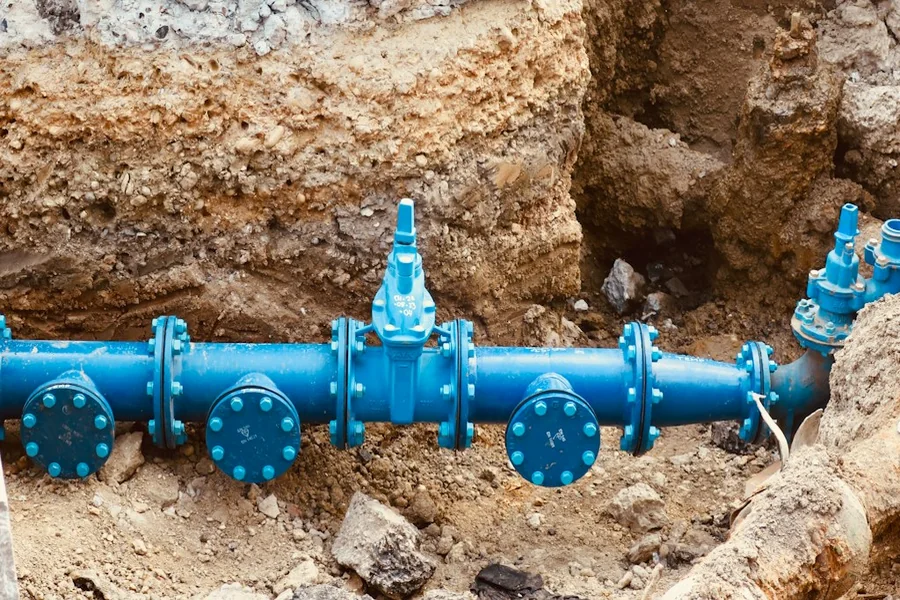
What Is Pipe Engineering?
Pipe engineering is the process of designing, analysing, and maintaining piping systems that transport liquids, gases, and chemicals through industrial facilities. Good piping design must account for pressure, temperature, fluid dynamics, equipment connections and operating conditions. The fundamentals of piping engineering help engineers create systems that meet technical requirements while controlling costs and reducing operational risks.
A piping engineer works with mechanical engineers, process specialists, and construction teams to develop practical piping layouts. The design must provide sufficient space for installation, inspection, and maintenance. The technical guidance available at capnor.com helps readers understand the key principles behind effective piping engineering design.
Material Selection and Corrosion Resistance
Material selection affects the service life, reliability, and safety of every piping system. Engineers must consider the fluid being transported, operating pressure, temperature, and exposure to chemical agents. Carbon steel is widely used in industrial applications where strength and cost matter. Stainless steel offers better corrosion resistance in many demanding environments, while copper suits selected water and utility installations.
Other piping materials include high-density polyethylene (HDPE) and composite materials. These types of pipe can be useful where low weight, chemical compatibility, or resistance to specific forms of corrosion is essential. Protective coatings can also help prevent deterioration. The correct choice depends on verified material properties, applicable standards, and the expected service conditions.
Piping Design, Stress Analysis and Standards
Effective piping design involves more than connecting pipes between pieces of equipment. Engineers must calculate pressure losses, assess thermal expansion and determine how the pipework will respond to vibration, weight and external loads. Stress analysis helps identify excessive forces at bends, supports, valves, and equipment nozzles before installation begins.
Designers also use industry standards to establish consistent engineering practices. The American Petroleum Institute (API) publishes standards relevant to oil and gas facilities, including requirements for certain piping applications. Applicable ASME codes and other regulations may also govern the design, fabrication, and testing of process piping. Engineers should verify which standards apply to the specific project rather than assuming that one code covers every system.
3D Modelling, Installation and Maintenance
Modern engineering tools help teams identify design problems before construction starts. A 3D model shows how piping interacts with structures, machinery and other systems. Clash detection can reveal whether a pipe crosses a steel support or blocks access to critical equipment. Engineers can correct these issues in the digital model instead of making expensive changes on site.