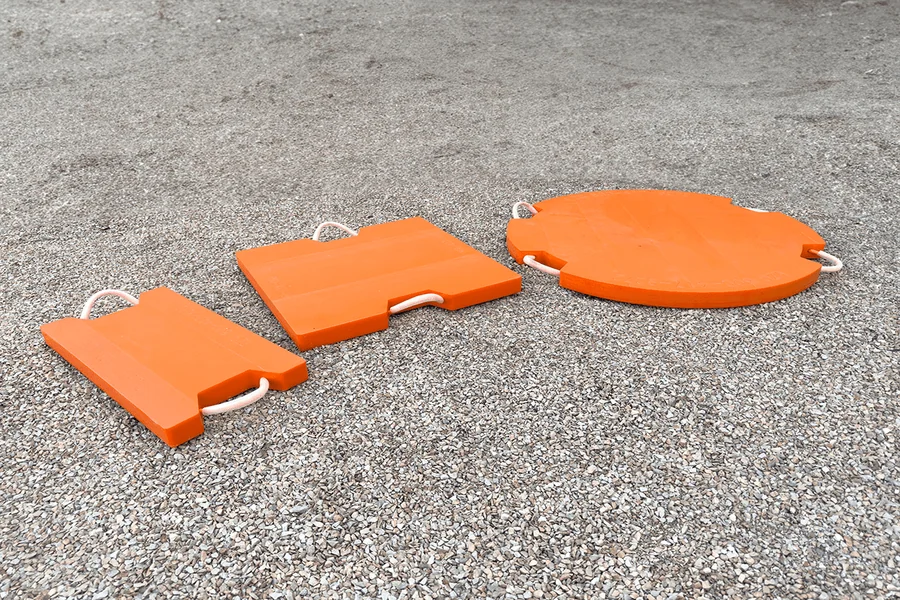
Outrigger pads are a critical safety component when operating cranes on construction sites or any location where heavy lifting equipment is used. These pads help distribute the load exerted by crane outriggers across a larger surface area, preventing ground subsidence and improving stability. Understanding the role and selection criteria for outrigger pads is vital for ensuring both operational efficiency and workplace safety.
The Purpose of Outrigger Pads
The primary function of outrigger pads is to protect the ground surface and provide a stable foundation for crane outriggers. When crane outriggers are extended, they bear significant weight, often concentrated on small contact points. Without adequate support, the pressure can cause the outrigger to sink into the soil, leading to instability, equipment damage, or even accidents.
Outrigger pads increase the surface area over which the load is distributed. This load spread reduces ground pressure, minimising the risk of outrigger failure and ensuring the crane remains safely balanced during operations. As such, they are indispensable for safe crane operation on soft, uneven, or fragile ground surfaces.
Materials Used in Outrigger Pads
Outrigger pads can be made from a variety of materials, each with distinct benefits. The most common materials include hardwood, plastic composites, rubber, and polyurethane. Hardwood pads, often constructed from laminated hardwood, offer excellent strength and durability but may be prone to moisture damage over time. Plastic and composite pads are lightweight and resistant to rot and water, whereas rubber and polyurethane pads provide flexibility and excellent grip.
Choosing the correct material depends on factors such as ground conditions, load requirements, weather exposure, and budget. It is important to balance durability, load-bearing capacity, and environmental resistance when selecting outrigger pads for a specific project.
Types of Outrigger Pads
Several types of outrigger pads are available in the market to accommodate different cranes and operational requirements. These include flat outrigger pads, slotted pads, and modular stacking pads.
Flat pads are the most basic form, used on level ground surfaces. Slotted pads feature a slot or hole design that fits outrigger beams, providing additional stability and preventing lateral slippage. Modular stacking pads allow operators to build a platform of varying height and thickness, offering flexibility and adaptability on uneven terrain.
Size and Load Capacity Considerations
Determining the correct size and load capacity of outrigger pads is essential. Pads that are too small can concentrate pressure and negate their purpose, while excessively large pads may be cumbersome and inefficient.
The load-bearing capacity needs to exceed the maximum expected pressure from the crane outrigger. Calculations typically consider the crane’s weight, the load being lifted, and the ground bearing capacity. Selection should comply with manufacturer recommendations and relevant industry standards to ensure safe operations.
Benefits of Using Outrigger Pads
Implementing outrigger pads on site brings several advantages. Most importantly, they enhance safety by preventing crane overturns and ground damage. This safety aspect reduces the risk of costly accidents and equipment downtime.
Additionally, outrigger pads protect sensitive ground surfaces such as asphalt, concrete, or landscaped areas from damage caused by heavy loads. They also improve operational efficiency by allowing cranes to be deployed on surfaces that might otherwise be unsuitable due to low load-bearing capacities.
Regulations and Standards
Use of outrigger pads is often mandated or recommended under occupational health and safety regulations. Various standards specify the minimum requirements for outrigger support, such as the EN standards in Europe or relevant Australian standards.
Compliance with such standards is essential not only for legal reasons but also to ensure the highest level of operational safety. Organisations should review applicable local and international guidelines when procuring and using outrigger pads.
Inspection and Maintenance
Regular inspection and maintenance of outrigger pads are vital to maintain their integrity and performance. Pads should be checked for signs of wear, cracks, deformities, or contamination.
Wooden pads may need periodic treatment for moisture resistance, while plastic or rubber pads should be examined for material degradation due to UV exposure or chemicals. Damaged pads must be removed from service to prevent failures during use.
Storage Guidelines
Proper storage of outrigger pads extends their service life. Pads should be stored in a dry, shaded area to protect them from direct sunlight, moisture, and temperature extremes. They should be kept flat and stacked carefully to avoid warping or damage.
The Role of Outrigger Pads in Diverse Industries
Although widely associated with construction cranes, outrigger pads are indispensable across various industries employing heavy equipment. This includes utility maintenance, event rigging, forestry, and oil and gas sectors.
In each of these industries, outrigger pads enhance ground protection and equipment stability, which is particularly crucial in environmentally sensitive or urban areas.
Choosing Quality Outrigger Pads
Selecting high-quality outrigger pads is crucial for operational success. Factors to consider include certification, load rating, material durability, and supplier reputation.
Engaging with reputable suppliers ensures access to products that comply with safety standards and come with supporting documentation. Consultations with equipment manufacturers or safety experts can further guide the selection process.
Environmental Considerations
Environmental responsibility in construction and industrial operations increasingly influences equipment choices. Outrigger pads made from sustainable or recyclable materials support green initiatives and reduce environmental impact.
Additionally, pads that minimise ground disturbance align with best practices for ecological preservation on sensitive sites.
Training and Best Practice Usage
Proper training in the deployment and use of outrigger pads is essential for maximising their benefits. Operators and supervisors must understand load distribution principles, correct placement, and stacking methods.
Adhering to best practices ensures the pads perform as intended and reduces the likelihood of operational errors.
Future Developments in Outrigger Pads
The field of ground support equipment is evolving, with advancements in materials science contributing to lighter, stronger, and more durable outrigger pads. Integration with monitoring technology may soon allow real-time assessment of ground pressure and pad performance.
These innovations aim to enhance safety, reduce costs, and improve operational efficiency.
Conclusion
Outrigger pads are an indispensable component of crane operations, offering essential ground protection and stability. Their correct selection, use, and maintenance directly influence site safety and equipment longevity.
Organisations must prioritise quality and compliance when procuring outrigger pads, utilise proper storage, and provide adequate training for personnel involved. By incorporating these pads thoughtfully, cranes can operate safely and efficiently across a variety of challenging environments.