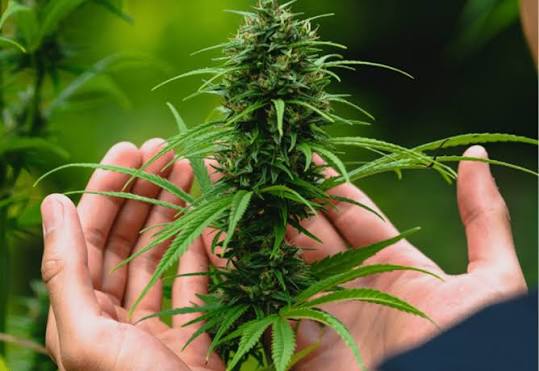
A strain name can tell you quite little about its background. A good example is Pineapple Express, since its name implies a tropical profile and its genetics provide a more detailed image. Without looking at its lineage, it can be difficult to understand where its sativa characteristics and aroma come from.
The strain is normally related to a cross between Trainwreck and Hawaiian. Both parents bring varied characteristics, which can be attributed to the blend of sativa genes, tropical personality, and citrus flavor that are commonly associated with Pineapple Express.
A better way of knowing the strain than just by its name is by looking at its genetics and aroma.
The genetics, parentage, and aromatic properties give a better understanding of what makes Pineapple Express unique. These four aspects are broken down in the following points.
1. Sativa Genetics That Define Pineapple Express
Pineapple Express 14 Grams Littles is often referred to as a sativa-dominant strain, and its properties are directly related to the parentage reported. A closer look at the genetics of the name gives more information regarding that classification. The cross of Trainwreck and Hawaiian has been reported to combine two lineages that are linked with high levels of sativa.
Trainwreck is typically considered a sativa-dominant crossbreed. Its genetic history consists of Mexican and Thai sativa along with Afghani indica. This provides Pineapple Express with a more intricate genetic background than the name itself may indicate.
The Hawaiian gives a new dimension to the lineage. It can be referred to as a tropical sativa landrace-type strain and is linked to sweet, fruity, as well as tropical flavors. These parent genetics, combined, can be used to understand why Pineapple Express is often referred to as a sativa when it has a very distinctly tropical nature.
Another thing to keep in mind is that the classification of strains may differ among breeders and sources. Thus, the specific genetic percentages can vary with the particular cultivar or breeding line that is being referred to.
2. Parent Strains Behind Its Distinct Lineage
Trainwreck and Hawaiian are the parent strains most commonly associated with Pineapple Express. Understanding each one separately makes the resulting profile easier to understand.
Trainwreck contributes a notable sativa influence to the reported lineage. It is known for citrus, pine, and earthy aromatic notes. Its genetic background is also relatively diverse, with Mexican and Thai sativa lines combined with Afghani indica genetics. These elements give the parent strain a broader genetic profile.
Hawaiian brings a different character to the cross. It is linked with tropical and fruity flavors, which fit closely with the qualities commonly associated with Pineapple Express. The combination of these two parents creates an interesting balance between sharper citrus and pine notes and sweeter tropical characteristics.
The name Pineapple Express became especially recognizable after the 2008 film of the same name. The film helped make the strain name widely known, although its reported genetics and aromatic profile come from its breeding history rather than the movie.
3. Tropical Aroma with a Fruity Character
The aroma of Pineapple Express is often described through tropical, fruity, and citrus-related notes. This profile makes more sense when you consider the reported characteristics of its two parent strains.
Hawaiian is associated with sweet and tropical aromas, which can contribute to the fruit-forward side of Pineapple Express. Meanwhile, Trainwreck is commonly linked with citrus, pine, and earthy notes. The combination creates an aromatic profile that can feel more layered than a simple fruit scent.
The pineapple association is particularly notable. Although aroma can vary between individual plants and batches, the tropical character of the Hawaiian lineage provides a reasonable connection to the strain’s commonly described fruity identity.
When evaluating a particular flower, remember that aroma can also be affected by factors such as cultivation, curing, storage, and terpene composition. As a result, two products carrying the same strain name may not have completely identical aromatic qualities.
4. Terpene Notes Shaping the Aromatic Profile
Terpenes are another useful way to understand why Pineapple Express can have a combination of fruity, citrus, pine, and earthy notes. These naturally occurring compounds contribute to the scent and flavor characteristics of cannabis flowers.
The reported Trainwreck lineage is particularly relevant here because its aroma is commonly associated with citrus, pine, and earthy notes. Hawaiian, meanwhile, is known for sweeter tropical and fruity characteristics. These parental traits help provide a framework for understanding the aromatic profile associated with Pineapple Express.
However, it is important not to assume that every Pineapple Express flower has the same terpene composition. Growing conditions, genetics, harvesting, curing, and storage can all influence the final aromatic profile. A laboratory report can provide more specific information about the compounds present in a particular batch.
This distinction matters when you are comparing products. The strain name can give you a general idea of its reported lineage, but the actual flower’s laboratory information can offer a more precise picture of its chemical profile.
Conclusion
Pineapple Express has a reported lineage that helps explain both its sativa classification and its recognizable tropical character. The commonly cited parent strains, Trainwreck and Hawaiian, contribute different qualities to the overall profile.
Trainwreck brings citrus, pine, and earthy notes, while Hawaiian is associated with sweeter tropical and fruity characteristics. Together, these traits help explain the pineapple and citrus aroma often linked with the strain.
Still, individual products can vary because genetics, cultivation, curing, and storage affect the final profile. Checking the available product information and laboratory results can therefore give you a clearer understanding of a specific batch.