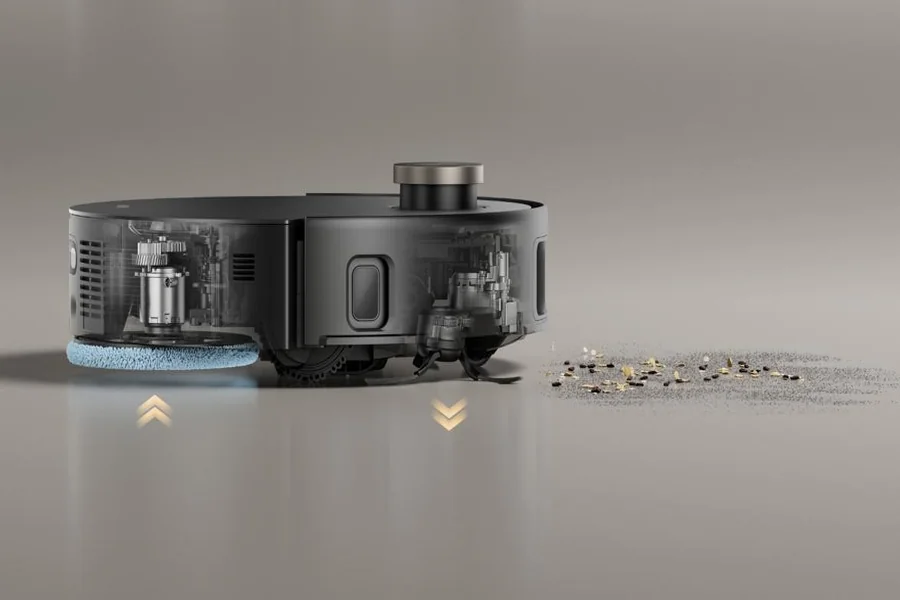
Robot vacuum and mop systems can make allergy-friendly home care easier by removing dust, pet hair, pollen, and fine debris before they collect on floors. For households managing sneezing, congestion, or irritation, consistent floor cleaning matters because allergens often settle in high-traffic areas and along edges. A robot vacuum and mop supports that routine without requiring daily manual effort. By combining suction, filtration, navigation, and wet cleaning, these machines help keep hard floors cleaner and reduce the particles that can circulate back into indoor air during normal household activity.
How Robot Vacuum and Mop Systems Help Reduce Indoor Allergens
Strong Suction Captures Dust, Hair, and Fine Particles
Strong suction is one of the most important features in a robot vacuum and mop for allergy control because it lifts dust, pet dander, crumbs, and fine particles from hard floors before they spread. Effective pickup also matters around baseboards, under furniture, and in corners where debris tends to settle. The MOVA MOBIUS 60 Robot Vacuum is designed for this kind of deep daily cleaning with 30,000Pa suction, triple anti-tangle brushes, and 99.99% hair removal performance. That combination helps reduce loose hair and dust that can trap allergens. Consistent high suction is especially useful in homes with pets, children, or busy foot traffic that constantly redistributes particles across the floor.
Advanced Filtration Helps Improve Air Quality
Filtration plays a major role in allergy-friendly cleaning because captured debris should stay inside the machine instead of blowing back into the room. A robot vacuum and mop with advanced filtration helps trap fine dust and other small particles collected during cleaning, supporting a cleaner indoor environment. This is especially helpful for people who react to airborne irritants stirred up by walking, sweeping, or standard vacuuming. While floor cleaning alone does not solve every air quality issue, reducing the amount of dust and residue on surfaces can lower how much material becomes airborne later. Better containment during cleaning makes routine maintenance more effective and supports healthier day-to-day living conditions at home.
Regular Cleaning Routines Reduce Allergen Buildup
Regular cleaning routines are essential for controlling allergens because dust, pollen, and pet hair accumulate quickly, especially in entryways, kitchens, living rooms, and around beds. A robot vacuum and mop helps by turning floor care into a consistent habit instead of an occasional deep-cleaning task. Frequent passes remove fresh debris before it gets ground into surfaces or pushed into hidden areas. This matters for allergy-friendly homes because buildup often happens gradually and becomes harder to manage over time. Scheduled cleaning also helps maintain cleaner pathways in households with pets or frequent indoor activity. When floors stay consistently cleaner, there is less loose material available to circulate through rooms during everyday movement.
Features to Consider for Allergy-Friendly Floor Cleaning
Smart Navigation Supports More Complete Home Coverage
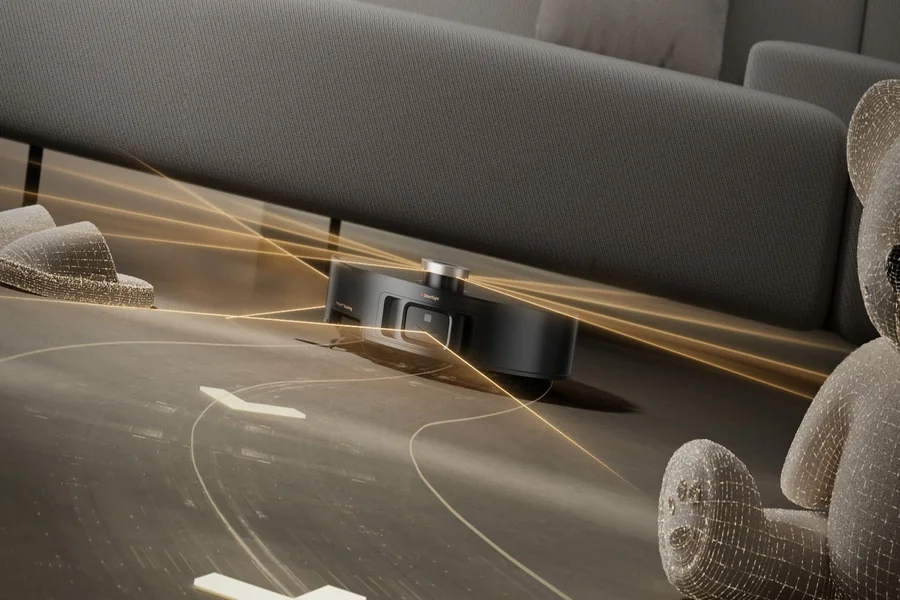
Smart navigation improves allergy-friendly cleaning by helping the robot cover more of the home efficiently and with fewer missed areas. Better movement patterns mean less dust left behind under furniture, along walls, and in narrow spaces where allergens often collect. The MOVA MOBIUS 60 uses FlexScope Navigation, which lowers to reach under sofas and rises for wider navigation, allowing it to adapt to different spaces instead of avoiding them. That flexibility supports more complete cleaning in rooms with varied furniture heights and layouts. For households focused on reducing allergens, thorough coverage matters as much as suction power. A well-navigating robot can maintain cleaner floors across more surfaces with less manual touch-up between cleaning sessions.
Mopping Functions Remove Remaining Dust and Residue
Vacuuming removes loose debris, but mopping helps address the fine dust and residue that often stays behind on hard floors. For allergy-friendly homes, this extra step matters because microscopic particles can remain after dry pickup and continue to spread through foot traffic. A robot vacuum and mop with dedicated wet cleaning supports a more complete floor-care routine by lifting stuck-on grime and removing the thin film of dust that dulls surfaces. Different floor types also benefit from tailored cleaning contact. Systems with interchangeable mop options can better match kitchen messes, delicate wood floors, and general everyday maintenance, helping households clean more effectively while keeping hard surfaces looking and feeling fresher after each run.
Automated Maintenance Helps Keep Cleaning Performance Consistent
Automated maintenance helps preserve cleaning performance, which is important for households relying on frequent robot cleaning to control allergens. When mop pads and internal components stay cleaner, the machine can continue picking up dust and residue effectively instead of spreading dirt or losing efficiency over time. The MOVA MOBIUS 60 includes an Auto Base Station with a 100°C PTC hot water washboard for hygienic mop cleaning, reducing the need for constant hands-on upkeep. It also uses the MopSwap System with three interchangeable mop pads for kitchen, wood floors, and all-around cleaning. These maintenance-focused features support reliable day-to-day results and make it easier to keep floor cleaning consistent with less interruption.
Conclusion
A robot vacuum and mop can directly support an allergy-friendly home by reducing dust, hair, dander, and fine debris through regular, efficient floor cleaning. Strong suction, effective filtration, smart navigation, mopping capability, and automated maintenance all contribute to cleaner surfaces and less allergen buildup over time. For households that want a practical way to maintain hard floors with less daily effort, these systems offer clear value. The best results come from consistent use, especially in high-traffic areas where particles collect quickly. When floor care becomes automatic and thorough, it is easier to maintain a cleaner, more comfortable indoor environment every day.