
Key Takeaways
- A commercial perimeter should support safety, access control, visibility, and daily work.
- Every effective plan starts with a site risk review.
- Fences, gates, lighting, cameras, procedures, and maintenance work best as connected layers.
- Gates and other access points deserve as much attention as the fence itself.
- Routine inspections prevent minor defects from becoming larger security or liability concerns.
- A flexible design makes future expansion, new traffic patterns, and changing risks easier to manage.
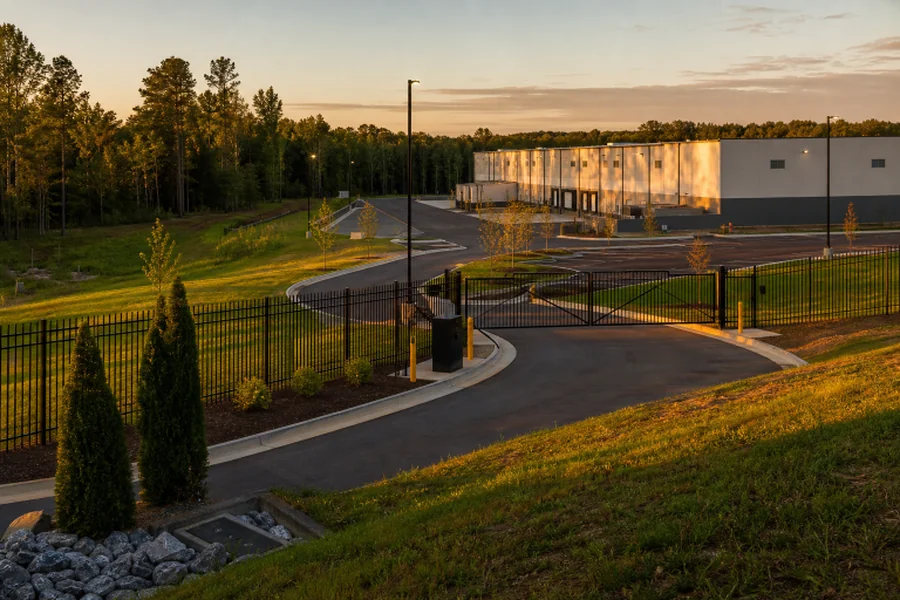
From Dallas and Gastonia to the surrounding Western Piedmont, commercial properties often need a boundary that does more than mark a lot line. A thoughtful perimeter can guide visitors, protect equipment, support employee safety, and help operations continue with fewer disruptions. The right approach to commercial fencing begins with the way a property is actually used, not with a one-size-fits-all product choice.
For a warehouse near a busy route, a contractor yard with changing equipment locations, or an office campus that welcomes daily visitors, the goal is the same: create clear boundaries without making legitimate access difficult. In Western Piedmont, North Carolina, site grades, wooded edges, drainage paths, weather exposure, and frequent vehicle movement should all influence the plan.
Why Commercial Perimeter Planning Matters
A perimeter is part of a business’s operating environment. It can define private areas, direct delivery drivers toward the correct entrance, reduce accidental entry into hazardous zones, and make after-hours access easier to manage. It also supports continuity planning by helping a site keep employees, vehicles, inventory, and critical equipment organized during a disruption.
The strongest plans use layered protection. A fence may establish the boundary and delay unauthorized entry. At the same time, lighting improves visibility, cameras help staff assess activity, and clear response procedures tell people what to do when something needs attention. This approach is more useful than assuming a single physical barrier can solve every problem.
Start With a Site Risk Review
Walk the property during business hours and again after dark before selecting materials or gate equipment. List the assets that need protection, including inventory, vehicles, outdoor equipment, fuel storage, loading areas, utility equipment, and records access points. Then mark public, employee, visitor, and restricted areas on a simple site map.
List the assets that need protection, including inventory, vehicles, outdoor equipment, fuel storage, loading areas, utility equipment, and records access points. Then mark public, employee, visitor, and restricted areas on a simple site map.
Identify priority locations
- Low concern: Visible areas with limited assets and regular staff activity.
- Moderate concern: Parking edges, side entrances, storage areas, and spaces with occasional public access.
- High concern: Remote corners, outdoor inventory, loading zones, sensitive operations, and gates used after hours.
Look for dark areas, unused gates, blind spots, hidden approaches, low-hanging branches, drainage routes, and objects that could make climbing easier. A structured review can reveal issues that are easy to miss in daily operations. Facility owners seeking an outside perspective can consider CISA’s rapid physical security assessment as one example of a risk-based review process.
Match the Perimeter to the Property
Different properties need different combinations of visibility, strength, appearance, and access control. Office properties may prioritize curb appeal, pedestrian flow, and easy-to-find visitor entrances. Warehouses may need defined truck lanes, protected loading zones, and dependable after-hours gate control. Construction sites often need temporary panels that can move as the project changes.
Industrial and utility locations may require more robust restricted zones, dependable monitoring, and maintenance access. Multifamily properties must balance resident convenience, privacy, emergency access, and pedestrian safety. A perimeter should never force all users onto a single confusing route simply because it is easier to install.
Choose Materials for Risk and Maintenance
- Chain link: A practical option for large areas where coverage, visibility, and budget matter.
- Ornamental metal: A strong fit for customer-facing properties where open sight lines and a polished appearance are important.
- Welded wire or rigid mesh: Useful where tighter openings and greater resistance to climbing are priorities.
- Privacy systems: Helpful for screening outdoor materials, equipment, or sensitive work areas.
- Temporary panels: Well-suited to short-term work zones and evolving construction boundaries.
Compare initial cost with expected upkeep. Consider corrosion exposure, drainage, soil conditions, vehicle contact, cleaning needs, repair access, and the availability of replacement parts. A lower installation price may not be the best long-term value if frequent repairs disrupt operations.
Give Gates and Access Points Extra Attention
A well-built fence cannot compensate for a gate that is left open, difficult to operate, or poorly located. Where practical, separate employee, visitor, delivery, and emergency access. Keep pedestrian and vehicle movement apart when possible, then use signs, striping, and lighting to make each route obvious.
Gate planning checklist
- Choose swing, sliding, or barrier-style equipment based on available space and vehicle traffic.
- Confirm that gate travel does not block sidewalks, fire lanes, or loading activity.
- Set access permissions by role, schedule, and location.
- Plan how deliveries will be handled during busy and quiet periods.
- Test locks, keypads, card readers, remote controls, safety devices, and backup power.
- Coordinate emergency entry procedures with appropriate local responders.
Use Visibility, Detection, and Response Together
Lighting should cover gates, walkways, loading areas, parking edges, and outdoor equipment without creating glare that limits camera performance. Trim vegetation that blocks views, obscures signs, or creates hiding places. Staff should be able to understand where visitors are expected to go, while cameras and employees should have useful sight lines toward the perimeter.
Technology only helps when someone can verify and respond to alerts. Establish who receives notifications, what information they should check, when management should be involved, and when to call emergency services. Business emergency planning should also account for communications, response, and recovery, as outlined in business emergency plans.
Prepare for Less Obvious Risks
Review risks beyond a person crossing a fence line. Consider unauthorized vehicles entering through delivery areas, theft from outdoor storage, damage from trucks or equipment, gaps in remote monitoring, and objects placed near the perimeter that create a climbing aid. Sensitive sites may also assess overhead activity, including small uncrewed aircraft, without assuming every property needs specialized counter-drone equipment.
Maintain and Measure the System
Inspect posts, rails, mesh, locks, hinges, gate operators, lights, cameras, access readers, and backup power on a regular schedule: clear debris, weeds, branches, stored materials, and other obstructions from the fence line. Inspect immediately after storms, vehicle impacts, attempted breaches, or major construction changes.
Track gate faults, camera outages, lighting repairs, unauthorized-entry reports, alert response times, and complaints about access problems. Review the results quarterly. A perimeter that slows legitimate deliveries, confuses visitors, or obstructs emergency access needs adjustment, even if no incident has occurred.
Conclusion
A smarter commercial perimeter in Western Piedmont, North Carolina, combines clear boundaries, suitable materials, well-managed gates, practical visibility, reliable monitoring, and consistent maintenance. When the design reflects the property’s real risks and daily routines, it can protect people and assets while keeping the business accessible and ready for what comes next.