

Table Of Contents
- Why the First Hours Matter
- Step One: Get Medical Help
- Step Two: Make the Scene Safer
- Step Three: Record What Happened
- Step Four: Notify the Right People
- Step Five: Track the Effects of an Injury
- Common Mistakes to Avoid
- When to Seek Legal Help
- A Simple Crash Checklist
- Conclusion
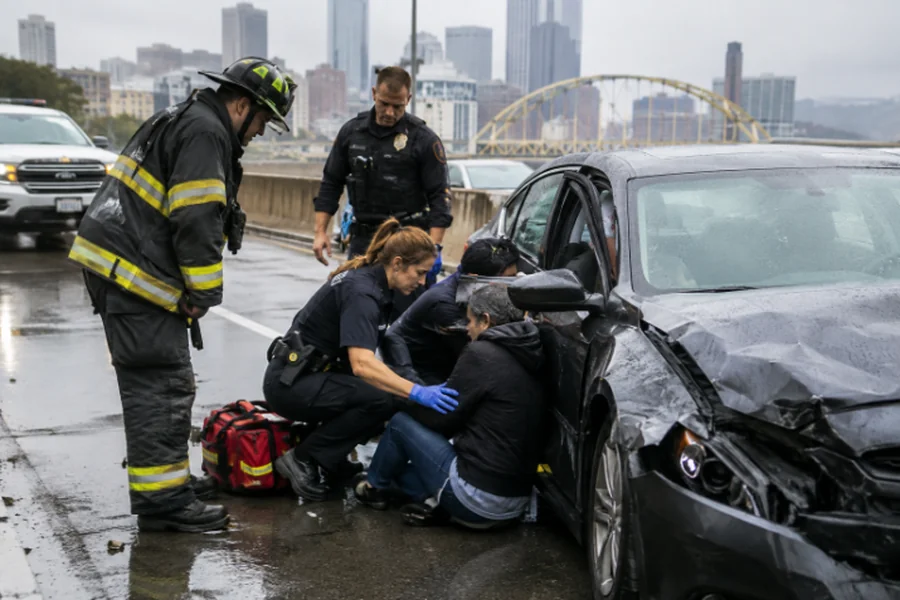
A serious collision can turn an ordinary Pittsburgh commute into a confusing, painful day. Whether it happens near a bridge approach, a busy neighborhood intersection, or a wet hillside road, the priority is always safety and medical care. When injuries, vehicle damage, or insurance questions begin to pile up, a Pittsburgh injury attorney may also help a person understand the next steps in a complicated claim.
This checklist focuses on practical actions to protect health, preserve important information, and reduce avoidable stress after a crash in Pittsburgh or elsewhere in Pennsylvania. It is not a substitute for emergency care or individualized medical or legal advice, but it can help people make calmer decisions during an overwhelming situation.
Why the First Hours Matter
After an impact, adrenaline, fear, and pain can make it difficult to remember what happened. Early notes, photographs, witness details, and medical records can preserve facts that may become harder to reconstruct later. Pennsylvania recorded 110,765 reportable traffic crashes and 66,931 injuries in 2024, a reminder that a collision can create both immediate and delayed consequences.
Not every injury is obvious at the roadside. Neck, back, and head symptoms can emerge after a person has gone home, and a prompt medical evaluation creates a clearer record of reported symptoms and recommended care. It also gives the injured person a chance to receive instructions tailored to their condition.
Step One: Get Medical Help
Call 911 When Needed
Call 911 immediately when anyone has heavy bleeding, trouble breathing, loss of consciousness, severe confusion, chest pain, suspected broken bones, or other signs of a medical emergency. Do not move an injured person unless remaining in place creates an immediate danger, such as fire, leaking fuel, or oncoming traffic. Wait for trained responders and follow their directions whenever possible.
Watch for Delayed Symptoms
Headaches, dizziness, nausea, vision changes, poor balance, memory problems, unusual fatigue, and difficulty concentrating can follow a blow or jolt to the head or body. The CDC explains that concussion symptoms may appear hours or days after an injury. Seek urgent care for worsening headache, repeated vomiting, seizures, weakness, slurred speech, increasing confusion, or trouble staying awake.
Step Two: Make the Scene Safer
Pittsburgh traffic can move quickly even where roads narrow, curve, or merge. If everyone can move without worsening an injury, take reasonable steps to reduce the risk of a second collision:
- Move vehicles and people away from immediate danger when it is safe to do so.
- Turn on hazard lights.
- Stay clear of smoke, fuel, downed wires, broken glass, and moving traffic.
- Use warning triangles or flares only if conditions make it safe to do so.
- Remain at the scene unless emergency transportation is necessary.
Step Three: Record What Happened
Photographs, Video, and Notes
Use a phone to capture the overall scene before vehicles are moved, if it can be done safely. Photograph damage from multiple angles, license plates, traffic lights, lane markings, road signs, weather conditions, debris, and any visible hazards. Pictures of bruising, swelling, damaged clothing, helmets, child seats, or other safety equipment may also be useful. Write down the time, location, direction of travel, and a short description of what you remember.
Names and Contact Details
Exchange names, contact information, driver’s license details, vehicle information, and insurance information with the other driver. Ask witnesses for a name and phone number before they leave. If officers respond, note the agency and request or record the report number. Keep the conversation factual and calm. The roadside is not the place to debate fault, apologize for something unclear, or speculate about speed and distance.
People who want a broader context can review Pennsylvania crash trends through the state’s crash information tool. Public data can reveal general patterns, but it does not determine who caused a particular collision.
Step Four: Notify the Right People
Notify the appropriate insurance company as soon as practical, then save the claim number and the name of each representative. Provide accurate basics, but avoid guessing about details you do not know. Keep copies of emails, letters, estimates, photos, and notes from phone conversations. If injuries are serious, fault is disputed, or several vehicles are involved, consider getting advice before giving a detailed recorded statement.
If an injury affects work, notify an employer according to workplace procedures. Keep records of missed shifts, reduced hours, sick leave used, and communications about restrictions or time away.
Step Five: Track the Effects of an Injury
Medical Records
Create one folder, paper or digital, for appointment dates, discharge instructions, prescriptions, test results, provider notes, bills, and insurance explanations of benefits. Follow the care plan when possible, report any new or worsening symptoms promptly, and write down questions before each visit. Consistent records help a patient understand treatment and make it easier to communicate with providers.
Daily Life and Work
Injuries can affect more than medical appointments. Track transportation costs, medication purchases, household help, missed work, and tasks that have become difficult, such as sleeping, driving, lifting, cooking, or caring for children. Save receipts, invoices, pay stubs, and employer notices rather than trying to recreate expenses months later.
Common Mistakes to Avoid
- Posting crash details, photographs, or injury updates on social media.
- Putting off medical care solely because pain initially seems minor.
- Discarding damaged personal items, vehicle parts, or safety equipment.
- Repairing a vehicle before thoroughly documenting its condition.
- Accepting a quick settlement before the full medical picture is known.
- Missing appointments without discussing rescheduling with the provider.
- Assuming a police report alone resolves every question about fault.
When to Seek Legal Help
Legal guidance may be particularly useful when a crash involves surgery, long-term treatment, permanent limitations, disputed responsibility, multiple vehicles, a commercial truck, a defective vehicle component, or a fatality. A person can ask practical questions about possible deadlines, available insurance coverage, documentation of lost income and future care, and how to proceed when more than one party may share responsibility.
A Simple Crash Checklist
- Call 911 when anyone needs emergency help.
- Move away from immediate danger if it is safe to do so.
- Get medical attention and monitor for delayed symptoms.
- Exchange information with drivers and witnesses.
- Photograph the scene, vehicles, injuries, and hazards.
- Save the report number and insurance claim information.
- Keep medical, expense, work-loss, and communication records together.
- Avoid public statements about fault or the value of a claim.
- Seek help when injuries or liability issues are serious or unclear.
Conclusion
A Pittsburgh crash can leave someone managing pain, repairs, bills, and work disruptions all at once. Medical care comes first. After that, simple actions such as staying safe, documenting the scene, keeping records, and communicating carefully can preserve the information needed while recovery begins.