

Key Takeaways
- Put safety and medical care ahead of photographs, paperwork, or insurance calls.
- Prompt records can help establish when symptoms began and how they changed.
- Photos, witness details, reports, receipts, and damaged items may be useful later.
- Avoid guessing about the fault or minimizing pain while facts and symptoms are still developing.
- Deadlines can depend on the type of claim, the parties involved, and the location of the incident.
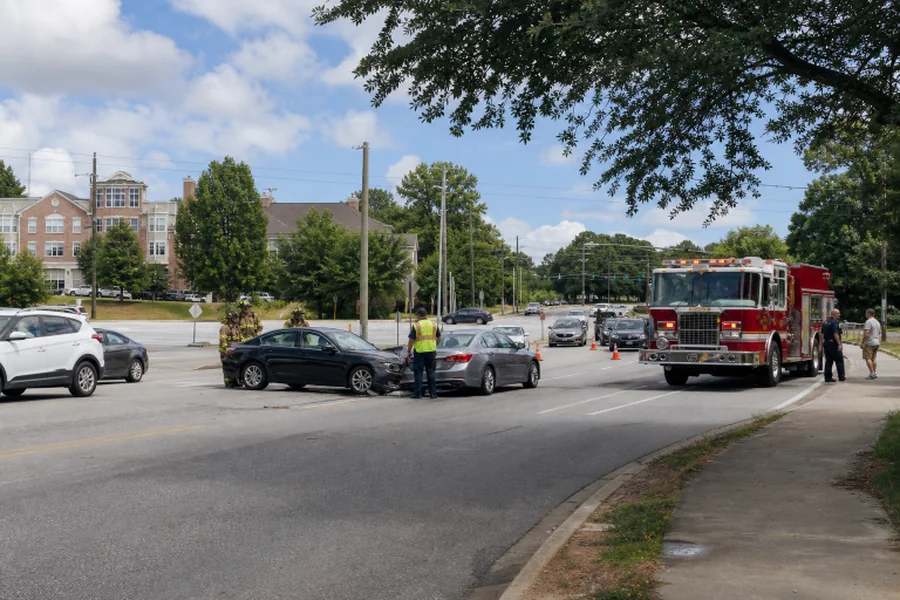
After a crash on Memorial Drive, a fall at a Greenville business, or an injury at work in Pitt County, the first three days can feel overwhelming. Health and immediate safety come first, but a few calm steps can also protect important information about what happened. When a claim may be involved, some people choose to speak with the best injury attorney for their circumstances after urgent medical needs have been addressed. This 72-hour period is not a rigid legal deadline. It is a practical window for getting care, recording developing symptoms, preserving evidence, and avoiding rushed insurance decisions. Whether an injury happened on a busy Greenville roadway, near East Carolina University, or on private property, early organization can make recovery and communication easier.
Why the First 72 Hours Matter
An accident can cause problems that are not obvious at the scene. A person may initially feel shaken but functional, then develop neck pain, dizziness, headaches, stiffness, or other symptoms later that day or the next morning. The first few days are a useful time to create an accurate timeline while memories are fresh and before photos, video, or physical evidence are lost. Early action also reduces avoidable confusion. Medical notes, a written account, a report number, and saved receipts can provide a clearer picture than trying to reconstruct events weeks later. The goal is not to build a case while injured. It is to protect health and retain information that may matter.
What to Do During the First Hour
Only take these steps when it is safe. Move away from traffic, fire, unstable structures, or other immediate hazards if you can do so without worsening an injury. Call 911 when someone appears seriously hurt, there is a dangerous condition, or emergency help is needed. Do not move someone who may have a head, neck, or spinal injury unless leaving them in place presents an immediate danger. Give responders straightforward facts. Avoid arguing with another driver, property owner, coworker, or witness. If an exchange of information is appropriate, collect names, phone numbers, vehicle details, and insurance information, but do not make accusations or admit fault. A calm, factual account is more useful than a roadside debate.
When to Seek Medical Care
Get medical attention promptly for pain, swelling, limited movement, or any symptom that concerns you. Emergency care may be necessary for severe bleeding, difficulty breathing, fainting, confusion, worsening pain, weakness, numbness, repeated vomiting, or a loss of consciousness. After a blow or jolt to the head or body, certain warning signs require immediate emergency evaluation, and symptoms can appear hours or days later. Follow the plan provided by qualified medical professionals, attend recommended follow-up visits, and report new or worsening symptoms. Do not rely on online self-diagnosis. Medical records can document symptoms, diagnoses, treatment recommendations, work restrictions, and the course of recovery.
Documenting the Scene and Evidence
If you are physically able and the area is safe, take wide photos that show the overall location, then closer photos of vehicle damage, hazards, debris, poor lighting, warning signs, or visible injuries. For a Greenville collision, note the weather, traffic conditions, the direction of travel, and nearby intersections or businesses. Write a short account of what occurred, including the approximate time and what you noticed immediately afterward. Ask witnesses for their names and contact details. Report an incident to the appropriate authority, such as law enforcement, an employer, a property manager, or a store supervisor, and request the report number. Preserve damaged clothing, helmets, shoes, equipment, and personal property rather than repairing or discarding them immediately. Video footage, phone data, and other digital information may not remain available indefinitely, so identify potential sources early without trespassing or confronting anyone.
Handling Early Insurance Contact
An insurance adjuster may contact an injured person soon after an incident. Confirm the caller’s name, company, claim number, and callback information. Provide basic identifying facts when required, but do not guess about fault, speed, distance, injuries, or future treatment. It is reasonable to say that you are seeking medical evaluation or that symptoms are still developing. Ask whether the insurer is requesting a recorded statement, and read every document before signing it. Cooperation may be required under an insurance policy. Still, cooperation does not require accepting a quick settlement or making broad statements before the full impact of an injury and related expenses is known.
Tracking Losses From Day One
Create one paper or digital folder for bills, records, and communications. Keep copies of emergency transport charges, doctor and therapy bills, prescriptions, medical equipment costs, travel expenses, property repair estimates, pay records, and insurance letters. Also record missed work, reduced hours, help needed with household tasks, childcare changes, sleep disruption, mobility limits, and activities you cannot perform normally. A brief daily journal can be especially helpful. Note the date, symptoms, medications, appointments, changes in pain, and practical limitations. Use accurate descriptions rather than exaggeration. Consistent notes can help you remember the recovery process and discuss it clearly with medical providers.
Why Social Media Can Create Problems
Public posts can be misunderstood when separated from their context. Avoid posting accident photos, arguments about blame, jokes about the event, recovery updates, or messages to the other party about payment or settlement. Adjust privacy settings if desired, but do not delete material that could be relevant evidence. Private messages and public posts may still be shared or requested during a dispute.
Deadlines and Early Legal Questions
North Carolina deadlines differ by claim type and facts. In many injury cases, state law provides a three-year limitations period. Still, exceptions and special rules may apply, particularly when government entities, professional services, minors, or other issues are involved. The North Carolina statute governing three-year actions includes provisions affecting injury claims and the accrual of certain claims. Do not assume that every claim has the same deadline. Ask whether an employer, public agency, business, multiple drivers, or several insurance policies may be involved. Early legal guidance can be useful when injuries are serious, fault is disputed, a recorded statement is requested, or important evidence needs prompt preservation.
A Simple 72-Hour Checklist
First 60 Minutes
- Get to safety and call emergency services when needed.
- Report the incident to the proper authority.
- Exchange basic information when safe.
- Take photos or ask a trusted person to do so.
First 24 Hours
- Seek medical evaluation and follow professional advice.
- Save photos, report details, witness contacts, and damaged items.
- Write down what happened and record symptoms.
- Notify the appropriate insurer, employer, or property owner.
Hours 24 to 72
- Attend follow-up care and monitor changing symptoms.
- Organize bills, receipts, pay records, and claim communications.
- Track daily limitations and missed work.
- Review documents carefully before signing or accepting an offer.
Final Thoughts
The first 72 hours after a personal injury in Greenville can be stressful, particularly when medical concerns, insurance questions, work responsibilities, and everyday obligations need attention at the same time. The priorities, however, are simple: stay safe, seek appropriate medical care, preserve what you can, and communicate carefully. Keep records of medical visits, prescriptions, expenses, missed work, and other relevant details while the information is still easy to recall. When possible, save photographs, reports, contact information, and correspondence related to the incident in one organized location. Avoid making rushed statements or decisions before you understand the circumstances and have had time to consider what information may be important. Those practical steps can support recovery while creating a clearer record of how the incident affected daily life and what may still require attention.

