
How can we ensure that individuals experiencing memory loss maintain dignity, connection, and purpose in their daily lives? This question continues to shape advancements in memory care. Today’s memory care communities have moved beyond providing supervision alone, embracing person-centered approaches that support quality of life, meaningful engagement, and individual choice. Understanding these modern strategies can help families identify environments where loved ones receive compassionate support tailored to their unique needs.
Personalized Care Planning and Individual Assessment
Modern memory care begins with understanding the individual behind the diagnosis. Rather than applying the same approach to every resident, quality memory care communities take time to learn about each person’s history, preferences, routines, interests, and support needs.
This information is gathered through conversations with residents and family members, ongoing observations, and comprehensive assessments. Team members use these insights to create personalized support plans that reflect the resident’s unique personality and life experiences.
A strengths-based approach is especially important. Rather than focusing solely on cognitive changes, memory care professionals identify abilities and interests that remain meaningful. A resident may continue to enjoy music, creative expression, gardening, social interaction, or familiar routines. Building daily experiences around these strengths helps promote engagement, confidence, and purpose.
Meaningful Life Enrichment and Cognitive Engagement
Quality memory care communities provide life enrichment programs that encourage participation, enjoyment, and connection. These programs are carefully designed around residents’ interests, abilities, and personal histories rather than offering a generic schedule of events.
For example, a former gardener may enjoy planting flowers or caring for herbs, while someone who loves music may participate in sing-alongs or listening sessions featuring favorite songs. Creative arts, sensory experiences, storytelling, and reminiscence programs provide additional opportunities for self-expression and connection.
Research and experience show that meaningful engagement can positively influence emotional well-being and encourage social interaction. Rather than serving as simple entertainment, life enrichment programs are an essential component of person-centered memory care.
GLOW® Memory Care in Fairfield, IA offers structured, engagement-focused programming designed around residents’ unique interests, abilities, and personal experiences. This individualized approach helps create daily opportunities for meaningful participation and connection.
Thoughtful Community Design
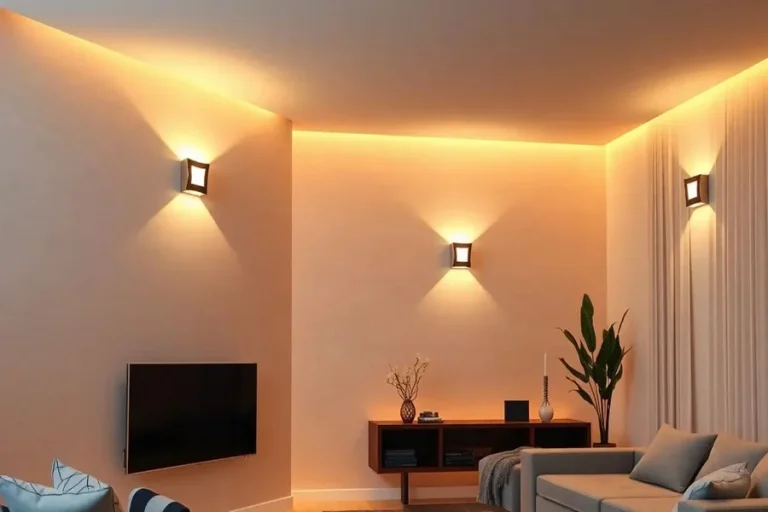
The physical environment can significantly influence comfort, confidence, and overall well-being for individuals living with memory loss. Modern memory care communities incorporate thoughtful design features that help reduce confusion and promote a greater sense of familiarity.
Visual cues, clearly identifiable spaces, supportive lighting, and consistent layouts can help residents navigate their surroundings with more ease. Comfortable gathering areas, familiar décor, and residential-style furnishings contribute to a welcoming atmosphere that feels supportive rather than institutional.
Many communities also provide secure outdoor courtyards and gardens where residents can enjoy fresh air, nature, and social interaction in a protected setting. These spaces offer opportunities for relaxation and engagement while supporting emotional well-being.
Relationship-Centered Support
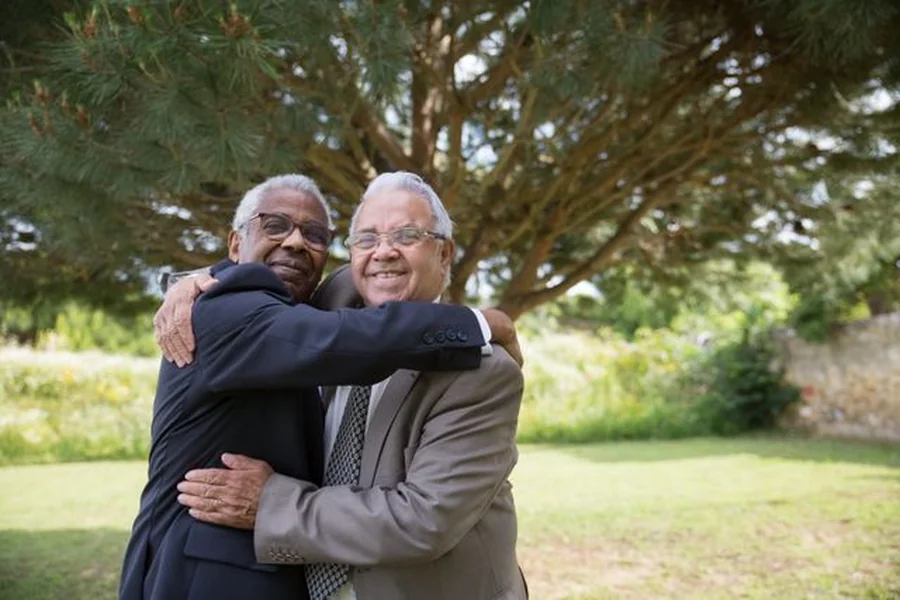
One of the most important developments in modern memory care is the emphasis on building meaningful relationships. Today’s communities recognize that human connection remains essential regardless of cognitive changes.
Team members are encouraged to learn about residents’ personal stories, interests, family traditions, and preferences. This knowledge helps create more authentic interactions and fosters trust between residents and those who support them.
Family involvement is equally important. Many communities encourage families to participate in events, celebrations, life enrichment programs, and care planning discussions. Maintaining strong family connections helps create continuity and reinforces the relationships that matter most to residents.
This relationship-centered approach supports emotional well-being while ensuring residents continue to feel known, respected, and valued.
Supporting Families Along the Way
Modern memory care recognizes that cognitive decline affects the entire family. As a result, many communities provide resources designed to support loved ones as they navigate changing circumstances.
Families may receive educational materials, guidance regarding dementia-related changes, support group opportunities, and regular communication from team members. These resources can help families better understand their loved one’s experiences while fostering confidence in care decisions.
Strong collaboration between families and memory care professionals helps ensure support remains individualized and aligned with a resident’s preferences, values, and needs.
Conclusion
Modern approaches to memory care focus on far more than managing symptoms. Through personalized assessments, meaningful life enrichment, thoughtfully designed environments, relationship-centered support, and family partnerships, today’s Memory Care communities strive to enhance daily quality of life while preserving dignity and personal choice. By recognizing each resident as a unique individual with valuable experiences, interests, and strengths, these approaches help create opportunities for connection, purpose, and well-being throughout the memory care journey.