

Key Takeaways
- A Naples neighborhood should support your actual routine, not only your ideal weekend.
- The list price is only one part of the cost of owning a home.
- Insurance, flood considerations, association fees, maintenance, and property taxes can materially affect affordability.
- Comparing several areas with the same questions makes a major decision easier to evaluate.
- Visits at different times can reveal traffic, noise, seasonal activity, and convenience that photos cannot show.
Buying in Naples, Florida, often starts with a feeling: a bright lanai, mature landscaping, a water view, or a short drive to the Gulf. The stronger decision comes from pairing that feeling with a practical comparison of costs, access, rules, and long-term flexibility. Naples, FL, real estate experts The Profeta Team are part of The Native Group Naples, a Compass-affiliated real estate team whose site provides home-search, neighborhood, buying, selling, and valuation resources for Naples and Southwest Florida buyers and sellers. Two homes with similar prices can create entirely different ownership experiences. One may offer walkable dining and beach access, while another may provide a larger lot, quieter surroundings, and less exposure to coastal traffic. A simple scorecard helps turn those differences into an informed choice.
Why A Naples Neighborhood Needs More Than A Quick Look
Naples living is shaped by where daily life happens. Consider the drive to grocery stores, medical offices, schools, parks, marinas, golf facilities, work, and Southwest Florida International Airport. A home that feels perfectly located during one showing may be less convenient during an evening errand run or a busy weekend. The goal is not to find one universally best neighborhood. It is to find the location where your preferred lifestyle, budget, property type, and responsibilities fit together comfortably.
Step One: Define Your Daily Routine
Start before opening listing alerts. A full-time resident may prioritize grocery access, health care, a commute, and room for guests. A seasonal owner may focus on lock-and-leave convenience, airport access, security, and property-management options. Buyers planning to rent, when permitted, need to include rental rules in the first conversation.
Step Two: Compare The Complete Monthly Cost
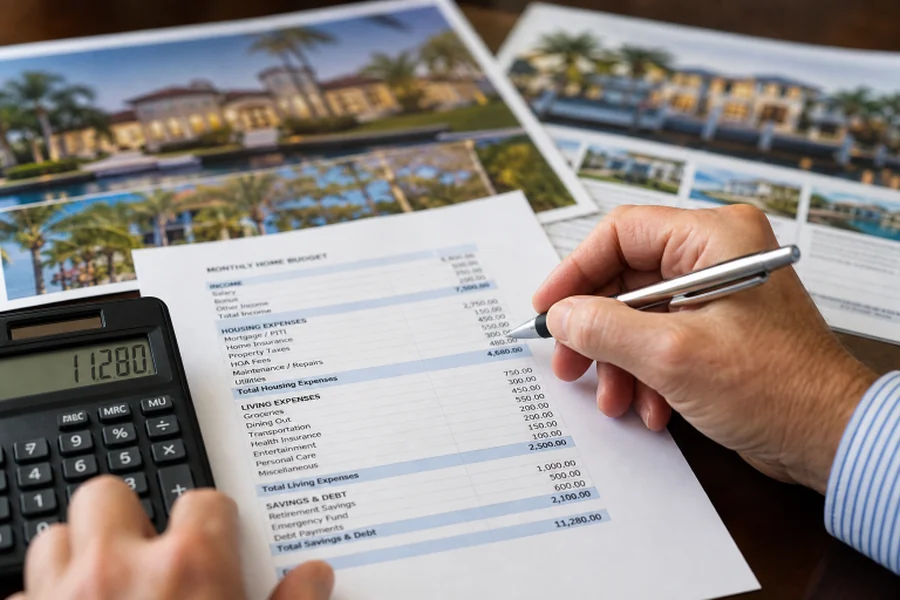
A mortgage payment alone does not describe the full carrying cost. Build the same budget for every property you are considering, then compare the totals rather than relying on a single headline number.
- Purchase price and estimated mortgage payment
- Property taxes
- Homeowners and flood insurance estimates
- HOA or condominium fees
- Utilities, lawn care, pool service, pest control, and routine maintenance
- Potential club dues, transfer fees, or community charges
- A reserve for repairs and unexpected expenses
Insurance and association costs are property-specific. Construction details, roof condition, protective features, location, prior claims, building operations, and association finances can all matter. Request insurance estimates and association documents early enough for them to influence your offer strategy.
Step Three: Check Flood Exposure And Storm Readiness
A flood-zone designation is important, but it is not a complete property review. Use flood-zone and map information as a starting point, then ask property-specific questions about elevation, drainage, prior water intrusion, roof age, impact protection, generators, seawalls, and the roads used to reach the home. For a condominium, expand the review to common elements. Ask about the master insurance policy, inspection history, reserve funding, completed repairs, planned capital work, and any assessments under discussion. A lower-maintenance property can still require careful review of the building and association behind it.
Step Four: Read HOA And Condo Documents Closely
Living in an association can provide shared maintenance and amenities, but it also comes with rules, budgets, and collective financial responsibilities. During due diligence, request the declaration, current budget, meeting minutes, insurance summary, reserve information, notices of repairs, and rental restrictions.
- Confirm the current fee and how often it is paid.
- Review recent fee changes and the reasons for them.
- Look for planned repairs, litigation disclosures, or special assessments.
- Confirm pet, parking, renovation, guest, and rental rules.
- Identify what the association maintains and what remains your responsibility.
Step Five: Match The Area To Your Lifestyle
- Beach-focused living:Convenient access to the coast may be worth higher purchase prices, insurance considerations, and storm-preparation needs for some buyers.
- Golf and amenity living:Shared facilities and a social calendar can be appealing, but buyers should understand membership structures and recurring costs.
- Privacy-focused living:Larger lots and fewer shared restrictions can offer more control, along with more direct upkeep.
- Low-maintenance living:Condos and villas may reduce exterior responsibilities, although fees, reserves, and rules deserve close attention.
Step Six: Test Convenience At Different Times
Drive the neighborhood on a weekday morning, afternoon, evening, and weekend if possible. Test routes to work, schools, grocery stores, health care, restaurants, beaches, parks, and the airport. Listen for traffic and nearby activity. Notice parking, road access, lighting, and how comfortable the route feels after dark. Also, review future context. The City of Naples Planning Department provides zoning and development review information to help buyers investigate land-use questions affecting a property within city limits. For homes outside the city, verify the appropriate county or municipal resources.
Step Seven: Consider Resale And Future Flexibility
Resale appeal involves more than square footage. Practical floor plans, adequate parking, outdoor space, community condition, insurance availability, location, and permitted rental use can affect a future buyer pool. Think ahead to possible changes: downsizing, seasonal use, moving closer to family, or selling during a slower market.
A Simple Naples Neighborhood Scorecard
Rate each neighborhood from one to five, then give extra weight to the categories that affect your real routine:
- Daily convenience
- Monthly ownership cost
- Insurance and storm readiness
- Home style and condition
- Community amenities
- Privacy, noise, and traffic
- Distance to key destinations
- Resale flexibility
Common Buyer Questions
Is The Closest Neighborhood To The Beach Always Best?
No. Beach proximity can be highly valuable, but its value depends on how often you will use it and whether the associated costs, traffic patterns, and maintenance demands align with your plans.
Should I Choose A Condo Or A Single-Family Home?
A condo may reduce exterior maintenance, while a single-family home may provide more privacy and control. The right answer depends on association finances, rules, your appetite for upkeep, and the property’s total monthly cost.
Final Buying Checklist
- Set a realistic all-in monthly budget.
- Compare at least three neighborhoods using the same criteria.
- Obtain property-specific insurance estimates.
- Review HOA or condominium documents before deadlines expire.
- Check flood, drainage, elevation, and storm-preparedness details.
- Visit multiple times and drive essential routes.
- Consider future use and resale before closing.
Choosing a Naples neighborhood in 2026 means looking beyond an attractive home and appealing list price. When lifestyle, carrying costs, storm readiness, community rules, convenience, and flexibility are evaluated together, buyers can make a decision that still feels right long after closing day.
Conclusion
The best Naples neighborhood is not necessarily the closest to the beach, the most expensive, or the one with the most amenities. It is the location that fits your everyday routine, budget, maintenance comfort, and long-term plans. By comparing insurance, flood considerations, association fees, property condition, convenience, and future costs across several neighborhoods, buyers can make a more balanced decision. Visiting areas at different times can also reveal practical details that listing photos cannot capture. A thoughtful comparison can help you choose a Naples home that provides the lifestyle you want while remaining comfortable, manageable, and financially sustainable for years to come.