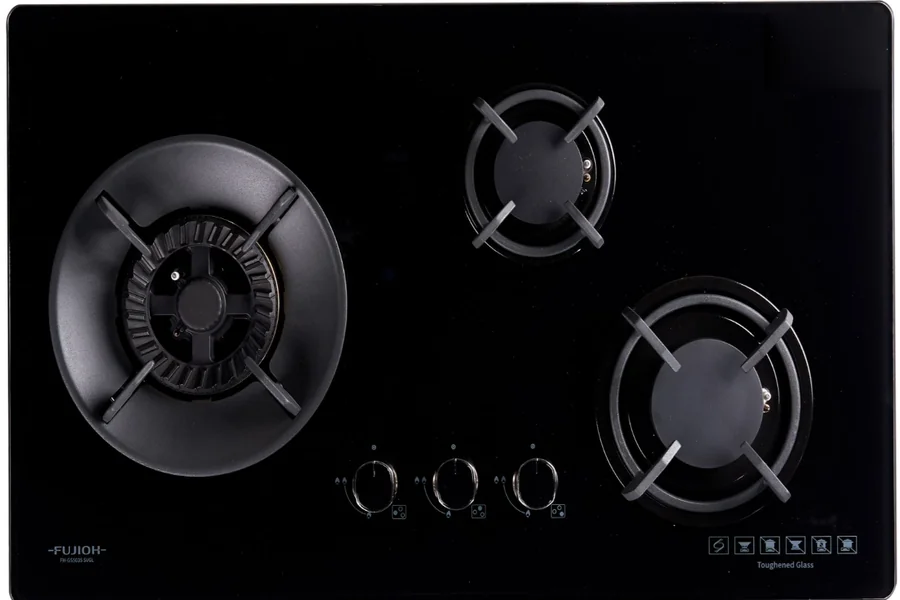
The kitchen is one of the most frequently used spaces in a home, and having the right appliances can make everyday cooking much easier. One of the most important appliances in any kitchen is the cooker hob. It provides the heat needed to prepare meals and can have a direct effect on cooking speed, control, convenience, and energy use.
With so many cooker hobs available today, choosing the right one can feel confusing. Gas, electric, induction, and ceramic models all work differently and offer their own advantages. The best choice depends on cooking habits, kitchen design, available space, cookware, cleaning preferences, and budget.
A good cooker hob should fit naturally into the kitchen and make cooking more comfortable. It should also provide enough heat and control for the types of meals prepared regularly. Understanding the main options can make the decision much easier.
Choosing the Right Cooking Performance
Cooking performance is one of the most important factors to consider when choosing a cooker hob. Different cooking methods require different levels of heat control.
People who regularly prepare stir-fries or dishes that require quick temperature changes may prefer gas or induction. Those who spend more time simmering sauces or preparing slow-cooked meals may appreciate the steady heat provided by electric or ceramic models.
Induction hobs can provide both speed and precise control, making them suitable for a wide range of cooking tasks. Gas offers a more traditional experience with an easily visible flame, while electric options can provide straightforward and predictable heating.
It is useful to think about the meals that are prepared most often rather than choosing a hob based solely on specifications.
Considering Energy Efficiency
Energy use is becoming an important consideration when selecting kitchen appliances. A hob that uses energy efficiently can help reduce unnecessary consumption during regular cooking.
Induction hobs are known for transferring heat directly to compatible cookware, which can reduce energy loss compared with methods where the heating element or surrounding air also becomes hot.
Electric hobs can also be used efficiently when the correct heat setting is selected and cookware is matched appropriately to the cooking zone.
Gas hobs provide quick and controllable heat, although some heat is released around the sides of the cookware rather than being transferred directly into the pan.
Regardless of the hob type, simple habits can help improve efficiency. Using cookware that matches the size of the cooking zone, keeping lids on pots when suitable, and avoiding unnecessarily high heat can all help reduce energy waste.
Safety Features
Safety should always be considered when choosing and using a cooker hob. Modern models often include features designed to reduce common kitchen risks.
Gas hobs may include flame failure protection. This feature can stop the gas supply if the flame goes out unexpectedly.
Induction and electric models may include automatic shut-off functions, residual heat indicators, child locks, and overheating protection. These features can provide additional peace of mind, particularly in households with young children.
The controls should also be easy to understand and positioned in a way that reduces the chance of accidental activation.
Safety features vary between models, so it is important to check the manufacturer’s specifications before purchasing a hob.
Finding the Right Size
The size of the hob should match both the kitchen and the household’s cooking requirements. A compact hob can work well in a smaller kitchen, while a larger model may be more useful for people who prepare several dishes at once.
Common hob widths vary, with many models designed around standard kitchen worktop layouts. However, measurements can differ between products.
Before buying a new hob, the available worktop space should be measured carefully. The existing cut-out should also be checked if the appliance is replacing an older model.
Choosing the correct size helps avoid installation problems and ensures that the cooking zones are positioned comfortably for everyday use.
Considering the Number of Cooking Zones
The number of cooking zones can affect how practical a hob is for everyday use. A person who usually prepares simple meals may not need many zones, while a larger household may benefit from having several available at the same time.
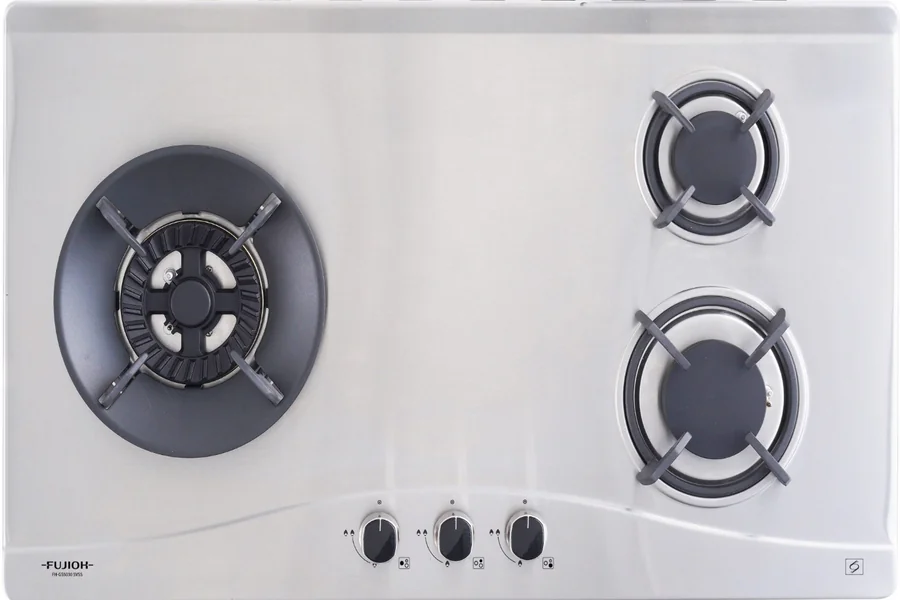
Multiple cooking zones make it easier to boil pasta while preparing a sauce or cook several ingredients separately. However, having more zones does not automatically mean better performance.
The layout matters as well. Cooking zones should provide enough room for different pans without causing them to overlap or interfere with one another.
A well-designed hob should allow users to move cookware around comfortably while maintaining clear access to the controls.
Installation Requirements
Correct installation is essential for safe and reliable operation. The requirements depend on the type of hob being installed and the existing kitchen setup.
Gas hobs require particular attention because they involve a gas connection. Electrical hobs also need to be connected according to the manufacturer’s requirements.
The worktop opening must be the correct size, and adequate clearance should be provided around the appliance. Ventilation requirements should also be considered where applicable.
Professional installation can help ensure that the hob is fitted correctly and safely. Following the manufacturer’s installation instructions is important regardless of the type of hob selected.
Kitchen Design and Appearance
A cooker hob is not only a functional appliance. It can also influence the appearance of the kitchen.
Modern ceramic and induction hobs often have flat surfaces and simple controls that fit well with contemporary interiors. Gas hobs can also have modern designs, with different finishes and burner layouts available.
The choice of material and finish should complement the other kitchen appliances and worktops.
However, appearance should not be the only consideration. A stylish hob that does not suit the household’s cooking habits may become frustrating to use.
The best choice combines practical performance with a design that works well within the kitchen.
Smart Controls and Modern Features
Technology has introduced additional features to many modern cooker hobs. Touch controls have replaced traditional knobs on some models, creating a clean appearance and allowing users to adjust settings with a simple touch.
Some advanced hobs provide automatic heat settings, timers, child locks, residual heat indicators, and other functions designed to make cooking easier.
Certain models may also offer smart connectivity, allowing users to interact with compatible kitchen systems through digital devices.
Although these features can be useful, they should be considered based on actual needs. Extra functions are only valuable if they make cooking safer, easier, or more convenient.
Conclusion
Choosing the right cooker hob can make everyday cooking more convenient, comfortable, and efficient. Gas, electric, induction, and ceramic hobs each provide different benefits, so the best option depends on individual cooking habits and kitchen requirements.
Gas offers responsive heat and broad cookware compatibility, while electric models provide steady and straightforward cooking. Induction combines fast heating with precise control and efficient energy transfer, while ceramic hobs provide a smooth surface that works well in modern kitchens.
Other factors, including safety features, size, cleaning requirements, cookware compatibility, installation, and energy use, should also be considered.
A cooker hob should support the way a household actually cooks. By comparing the available options carefully and focusing on practical needs, it becomes easier to choose an appliance that fits the kitchen and makes daily meal preparation more enjoyable.