

Key Takeaways
- Living alone does not automatically mean an older adult is unsafe.
- A practical safety plan combines a safer home, current health information, trusted contacts, and dependable ways to call for help.
- Small changes, such as better lighting and clear walkways, can reduce everyday risks.
- Emergency planning should cover medical events, missed check-ins, severe weather, and power outages.
- The best plans support independence while making help easier to access when needed.
Older adults can live alone successfully when their routines, home environment, and support network match their needs. A personal safety plan is not about taking away freedom. It is about making ordinary activities safer and ensuring there is a clear path to help during an unexpected problem. For many households, an emergency response system can be one useful layer of that plan, especially if a phone may not always be within reach.
The right plan looks different for every person. Mobility, vision, medications, home layout, health conditions, transportation, and personal preferences all matter. A person who confidently manages a one-level apartment may need different safeguards than someone who uses stairs, has a large yard, or recently returned home after a hospital stay.
Why A Personal Safety Plan Matters
A minor issue can become more serious when no one else is in the home. Consider a nighttime trip to the bathroom: a dark hallway, a loose rug, or a phone left charging in the kitchen can turn a simple stumble into a difficult situation. Planning ahead helps identify those weak points before an emergency occurs.
Falls deserve particular attention. The CDC reports that more than one in four adults age 65 and older falls each year. A fall, near-fall, fainting episode, or new balance problem is a good reason to speak with a health care professional and review what may have contributed to it.
Start With A Room-By-Room Home Check
Walk through the home during the day and again after dark. Focus first on immediate hazards, then make improvements over time. A room-by-room home review can reveal problems that are easy to overlook during a normal day.
Throughout The Home
- Clear cords, clutter, pet toys, and other items from walking paths.
- Remove loose rugs or secure them with suitable nonslip backing.
- Improve lighting in hallways, entrances, bedrooms, and stairways.
- Keep commonly used items between waist and shoulder height.
- Make thresholds and floor transitions easy to cross.
- Keep a flashlight and a charged phone in easy-to-reach locations.
Bathroom, Kitchen, And Stair Safety
- Install secure grab bars near the toilet and bathing area when appropriate.
- Use nonslip mats or strips on wet surfaces, and keep soap and towels within reach.
- Consider a shower chair or handheld showerhead if standing is tiring or unsteady.
- Place a night-light along the route from the bedroom to the bathroom.
- Store heavy cookware and frequently used foods without requiring climbing or stretching.
- Keep stairways clear, confirm handrails are stable, and avoid standing on chairs or unstable stools.
- Test smoke alarms and carbon monoxide alarms according to the manufacturer’s instructions.
Review Health And Medication Risks
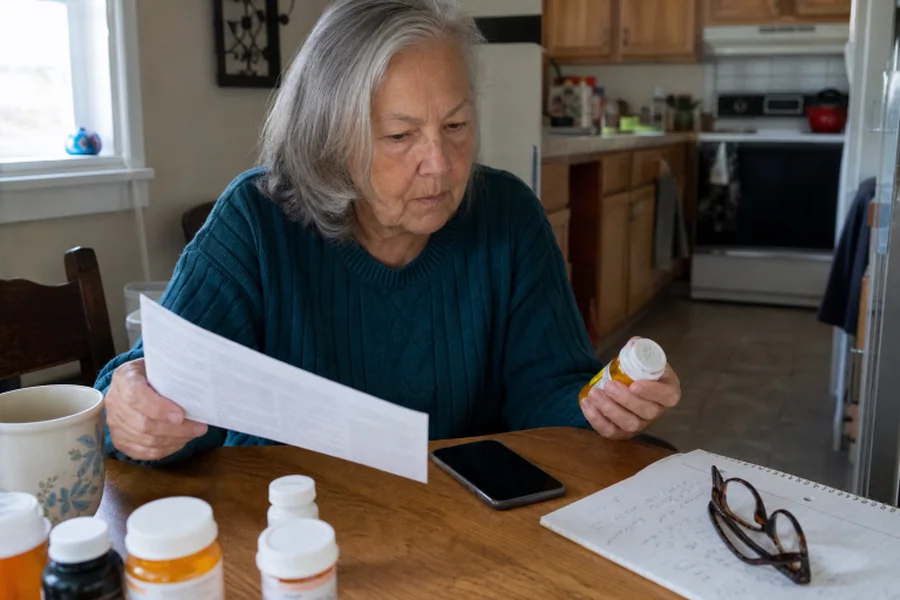
Ask a doctor or pharmacist to review prescription medicines, over-the-counter products, and supplements regularly. Some medicines can cause dizziness, drowsiness, or changes in blood pressure that may affect balance. Regular vision and hearing checks may also help identify changes that interfere with safe movement and communication.
Keep an updated list of medications, allergies, major health conditions, preferred doctors, pharmacy details, and mobility needs. Watch for patterns such as missed doses, dehydration, skipped appointments, poor nutrition, or trouble following once-familiar routines. These changes may signal that more support would be useful.
Create Emergency Information And Check-In Plans
A printed emergency information sheet can save valuable time when someone is frightened, ill, or unable to speak clearly. Place one near the main phone and share a copy with a trusted person.
- Include the resident’s full name, address, and phone number.
- List emergency contacts, including one nearby backup contact.
- Add medications, allergies, health conditions, and mobility needs.
- Note the preferred doctor, pharmacy, and hospital.
- Explain how someone can enter the home if the resident cannot answer the door.
- Include pet details, gate codes, and information on essential medical equipment.
Pair that sheet with a realistic check-in routine. A daily call, text, or message can make unusual silence easier to notice. Agree in advance on what happens after a missed check-in: try again, contact the backup person, visit the home if appropriate, or call emergency services when there is immediate concern.
Choose Communication Tools That Fit Daily Life
No single device replaces planning, but communication tools can close an important gap. A mobile phone works well when it is charged and within reach. A smartwatch or wearable alert button may help if a fall occurs when the phone is away. Home-based equipment may fit someone who is usually indoors, while mobile options may be more useful for people who shop, walk, or travel independently. Before choosing any tool, ask whether it works where help may be needed, whether the person can operate it while hurt or confused, who receives the alert, how accidental alerts are handled, and how often it needs to be charged. The most advanced option is not always the best choice. Consistent use matters more.
Prepare For Severe Weather And Power Outages
Keep water, shelf-stable food, flashlights, batteries, basic first-aid supplies, and backup phone-charging options available. Make a separate plan for refrigerated medicines or equipment that needs electricity, such as oxygen equipment or mobility devices. Identify a nearby location to go if the home becomes too hot, cold, or unsafe, and arrange transportation before conditions become urgent.
Know When More Support May Be Needed
One small mistake does not necessarily mean independent living must end. Instead, look for repeated patterns: frequent falls, spoiled food, unsafe cooking, unpaid bills, missed medications, worsening housekeeping, new confusion, wandering, or prolonged isolation. A doctor, physical therapist, occupational therapist, home care provider, or professional home assessment may help identify practical next steps.
Test And Update The Plan
Review the plan at least once a year and after a fall, hospital visit, surgery, move, or medication change. Test phones, alert tools, smoke alarms, and carbon monoxide alarms. Confirm emergency contacts and practice the missed check-in plan. When serious symptoms occur, including chest pain, trouble breathing, signs of stroke, severe bleeding, fire, or suspected poisoning, call 911 immediately.
Conclusion
A strong safety plan is simple enough to use and flexible enough to change. Clear walkways, better lighting, current medical information, dependable contacts, and accessible communication can help an older adult living alone feel more prepared, confident, and supported without giving up control over daily life.