

Introduction
Cycling after sunset requires more than a comfortable bicycle and a good route. Visibility becomes one of the most important parts of the riding experience, especially when cyclists travel on dark roads, bike paths, country lanes, or busy urban streets. A reliable front and rear light can help riders see obstacles while also making them easier for motorists and other cyclists to notice.
Modern bicycle lighting has evolved far beyond simple battery-powered lamps. Today’s lights can offer multiple brightness levels, long runtimes, smart controls, and connectivity with cycling computers. Two technologies that have become particularly useful for modern riders are ant+ bike lights and high-output lighting such as a 1000 lumen bike light.
Understanding how these technologies work can help cyclists choose lighting that matches their riding style, environment, and safety needs.
Why Bike Lights Matter After Dark
A bicycle light serves two main purposes: helping the cyclist see and helping others see the cyclist. These purposes can require different lighting characteristics.
On a well-lit city street, a cyclist may primarily need a light that provides strong visibility to surrounding traffic. On an unlit trail, however, the light needs to illuminate the road or path far enough ahead to reveal potholes, branches, turns, and other obstacles.
A quality lighting setup should therefore provide adequate brightness without creating unnecessary glare. It should also have a practical battery life and controls that are easy to use while riding.
What Makes ANT+ Bike Lights Different?
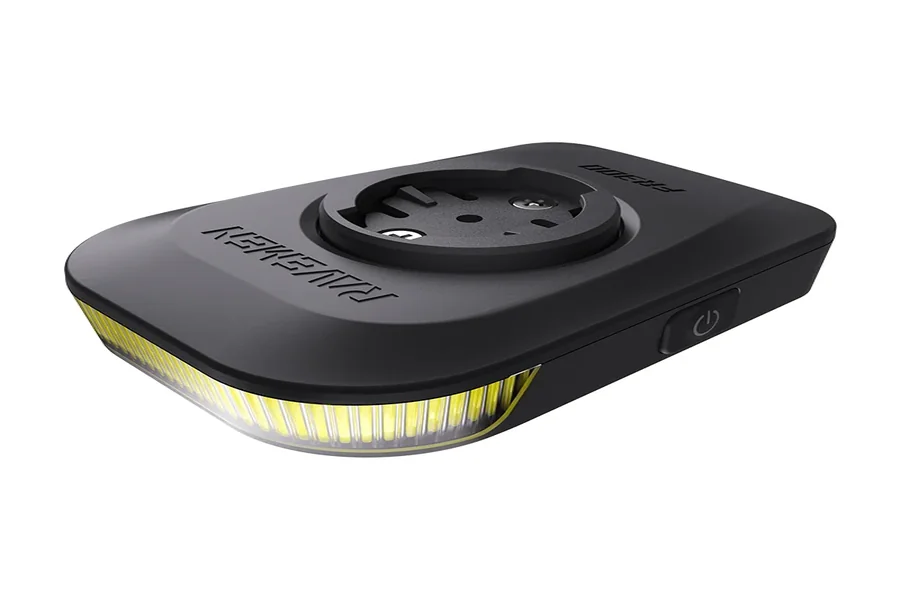
ANT+ is a wireless communication technology commonly used in cycling equipment. It allows compatible devices to exchange information without requiring physical connections. In the world of bicycle lighting, ant+ bike lights can offer riders a more connected way to manage their lighting equipment.
Instead of manually reaching down to the light whenever conditions change, compatible systems can allow lighting functions to interact with a cycling computer or another compatible device. Depending on the specific product and ecosystem, riders may be able to monitor lighting status, adjust settings, or coordinate lights with their cycling setup.
This can be particularly useful for cyclists who already use connected cycling computers, heart-rate monitors, power meters, or other ANT+ accessories.
Benefits of Connected Bike Lighting
One major advantage of connected lighting is convenience. A cyclist may begin a ride during daylight and finish after sunset. Rather than stopping to manually change settings, a connected lighting system can make lighting management simpler.
Connectivity can also provide better awareness of the light’s operating status. Depending on the model, riders may be able to see information such as battery status or selected lighting mode through a compatible device.
For cyclists who enjoy technology and want their equipment to work together as one system, connected lights can be a valuable upgrade.
Understanding Lumens in Bike Lights
When shopping for a bicycle light, one of the first specifications people usually notice is the lumen rating. Lumens measure the total amount of visible light produced by a source. However, a higher lumen number does not automatically mean that every light will perform better in every situation.
Beam design, optics, battery capacity, mounting position, and light distribution all affect real-world performance.
For example, a light with a broad beam may be useful for illuminating a wider section of a road, while a more focused beam may project light farther ahead. Therefore, cyclists should consider the entire design rather than choosing a product based solely on its lumen rating.
When a 1000 Lumen Bike Light Makes Sense
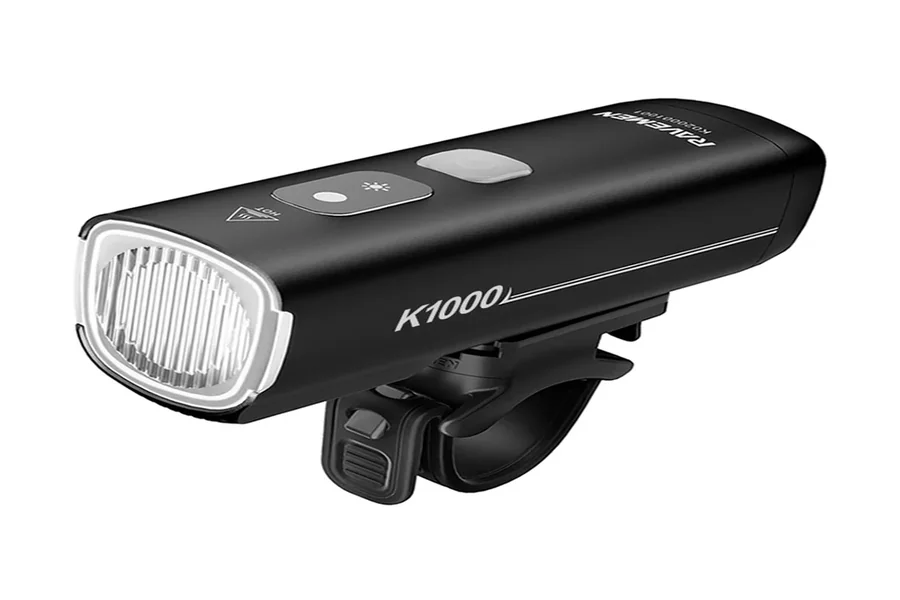
A 1000 lumen bike light can be an excellent choice for riders who regularly cycle in darker environments. This level of output can provide substantial illumination for roads, paths, and trails where ambient lighting is limited.
For commuters, a powerful light can make poorly illuminated sections of a route easier to navigate. For recreational riders, it can provide greater confidence when riding after sunset.
However, maximum brightness is not always necessary. On a brightly illuminated urban street, using the highest setting may waste battery power and potentially create excessive glare for approaching riders or road users.
A good lighting system should therefore offer multiple brightness modes so the cyclist can select the appropriate output for the environment.
Choosing the Right Brightness Mode
Different riding conditions call for different lighting levels. A lower setting can be suitable for areas with streetlights, while medium output may work well on darker roads. The highest mode can be reserved for particularly dark routes or situations where greater forward visibility is required.
Using the correct setting has another important benefit: battery efficiency. Running a light continuously at maximum output can consume its battery much faster than using a lower or adaptive setting.
For longer rides, smart power management can make the difference between having reliable illumination throughout the trip and running out of light before reaching the destination.
Beam Pattern Is Just as Important as Brightness
Two bicycle lights with the same lumen rating can produce very different riding experiences. This is because lumens describe the amount of light, not exactly where that light goes.
A well-designed beam should place illumination where the cyclist needs it most. For road cycling, controlled forward projection can help illuminate the route while reducing unnecessary light directed toward oncoming traffic.
Trail riders may prefer a wider beam because obstacles can appear at different angles. Therefore, riders should consider beam shape and optical design alongside the advertised lumen output.
Battery Life and Charging
Powerful bike lights naturally require more energy, especially when used at high brightness. Battery performance should therefore be an important consideration when selecting a light.
Before a long ride, cyclists should check the expected runtime for the brightness mode they intend to use. USB charging has also made modern bike lights more convenient because many can be recharged using common charging equipment.
For longer journeys, carrying a backup lighting option or portable power source can provide additional peace of mind.
Mounting and Positioning Your Bike Light
Even a powerful light will be less effective if it is poorly positioned. The front light should be securely attached to the handlebars or an appropriate mounting point and aimed correctly.
A light that points too high can cause glare for other road users. A light aimed too low may reduce useful forward visibility. The mounting system should also keep the light stable over rough surfaces.
Rear lights are equally important because they help approaching traffic identify the cyclist from behind. Ideally, a complete bicycle lighting setup should include both front and rear visibility.
Smart Features for Modern Cyclists
Modern bicycle lights increasingly include features designed to make riding easier. These may include different brightness modes, flashing patterns, battery indicators, automatic adjustments, and wireless connectivity.
For technology-focused cyclists, ant+ bike lights can fit naturally into an existing connected cycling setup. Instead of treating the light as an isolated accessory, riders can incorporate it into a broader collection of smart cycling equipment.
This approach can make lighting management more convenient, especially for cyclists who regularly use cycling computers during training or commuting.
Safety Without Sacrificing Courtesy
Visibility is essential, but cyclists should also be considerate of other road users. Extremely bright lights can become uncomfortable or distracting when pointed directly into someone’s eyes.
The best approach is to use enough light for the conditions while positioning the beam responsibly. On shared paths, reducing brightness or changing modes when approaching other cyclists can improve the experience for everyone.
A powerful light should provide confidence without becoming a source of unnecessary glare.
How to Choose the Best Bike Light
When comparing bicycle lights, consider several factors rather than focusing on one specification. Ask yourself:
- Where will you usually ride?
- How dark are your regular routes?
- How long are your typical rides?
- Do you need wireless connectivity?
- Is battery life more important than maximum brightness?
- Do you ride on roads, trails, or both?
- Does the light have secure and adjustable mounting?
- Are multiple brightness levels available?
If connectivity is important, ant+ bike lights may be worth exploring. If your routes frequently include dark roads or trails, a 1000 lumen bike light may provide the output you need.
Final Thoughts
Choosing the right bicycle light is ultimately about matching technology with real riding conditions. A bright light can improve visibility, while smart connectivity can make lighting easier to manage. Features such as beam design, battery life, mounting stability, and brightness modes are just as important as the headline specifications.
For cyclists who enjoy connected equipment, ant+ bike lights can add another layer of convenience to an existing cycling setup. Meanwhile, riders who frequently travel through dark environments may benefit from the strong illumination offered by a 1000 lumen bike light.
The ideal choice is not necessarily the brightest or most technologically advanced model. It is the light that provides dependable visibility, practical battery performance, easy operation, and a beam pattern suited to the roads and trails you actually ride.