
Online retail is comfortable in a certain way.
The shop is always open.
The products sit neatly on a website.
The customer journey is measured through clicks, carts, checkouts, emails, and delivery updates.
The brand can be adjusted with a new banner, a better product photo, a stronger caption, or a fresh landing page.
Everything feels controlled.
But then an online retailer decides to open a pop-up store.
Suddenly, the brand has to live in the real world.
Not as a screen.
Not as a product page.
Not as an Instagram grid.
Not as a carefully cropped photo.
As a physical space.
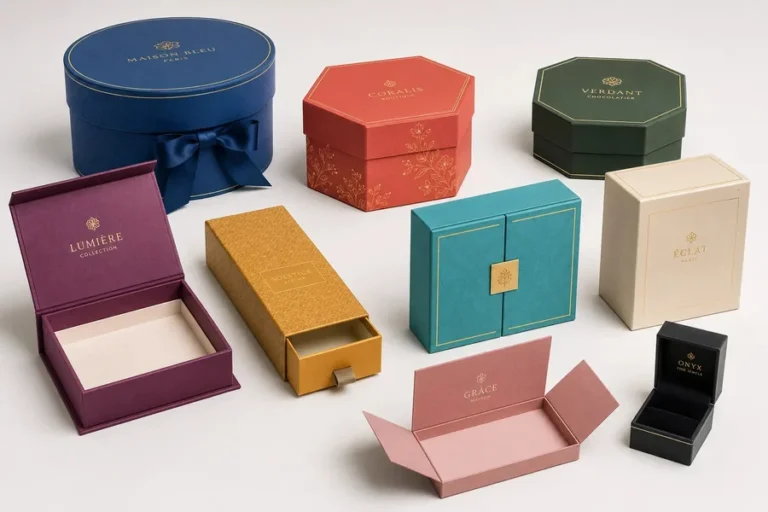
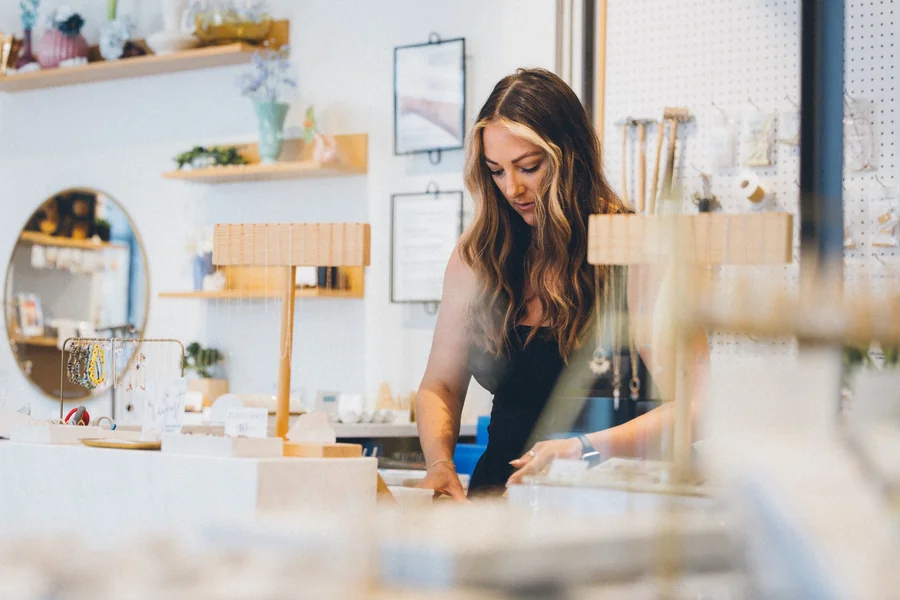
Customers can walk in. Touch products. Ask questions. Notice the packaging. Judge the lighting. Look around the display. Take photos. Compare the online version of the brand with the real-life version standing in front of them.
That is exciting.
It is also a little unforgiving.
Because a pop-up store gives online retailers a rare chance to meet customers face-to-face, but it also reveals whether the brand has a strong physical identity. A website can look polished, but if the pop-up feels plain, confusing, or forgettable, customers may not feel the same connection.
That is why visual design matters so much.
For online retailers, the signage, lighting, layout, and atmosphere of a pop-up are not background details. They are part of the customer experience. A brand that has only existed digitally needs physical cues that make it feel real, trustworthy, and worth remembering.
With Oasis Neon Signs, retailers can create branded lighting features, light up signs custom designed for their pop-up space, or an led sign custom made around a logo, product line, slogan, or launch campaign.
A pop-up store is not just a temporary shop.
It is a brand moment.
A Pop-Up Store Is a Test of Real-World Brand Identity
Online, a retailer can control how the brand appears.
The product photos are chosen carefully. The website colours are consistent. The logo sits in the right place. The copy is edited. The customer sees the brand through a curated digital frame.
In a pop-up, the frame disappears.
The brand is suddenly exposed to lighting conditions, foot traffic, neighbouring stalls, awkward corners, blank walls, limited space, staff interactions, packaging displays, and customer movement.
This is where a retailer discovers whether the brand has enough identity to stand on its own.
A strong pop-up should feel like the website has stepped into the room.
The colours, tone, signage, display, and atmosphere should connect with what customers have already seen online. If the brand feels playful online, the space should not feel dull. If the brand feels premium online, the pop-up should not look thrown together. If the brand sells creative products, the space should carry that same creative energy.
Physical design turns brand identity into something customers can feel.
Customers Need to Recognise the Brand Quickly
Pop-ups are usually busy environments.
Markets, shopping centres, trade shows, launch events, festivals, exhibitions, and temporary retail spaces often have many brands competing for attention at once.
Customers are walking past quickly.
They might not stop to read every sign. They might not know the brand already. They might only give the space a few seconds before deciding whether to come closer.
That makes visibility essential.
A clear sign helps customers understand who the retailer is before they even speak to anyone. It makes the space easier to find, easier to photograph, and easier to remember.
This is where light up signs custom made for the brand can help. A glowing logo, product phrase, or brand line creates a visual anchor inside the pop-up. It makes the space feel more complete and gives customers something to connect with immediately.
In a temporary retail setup, fast recognition matters.
The Pop-Up Has to Build Trust Fast
Online retailers work hard to build trust digitally.
They use product reviews, polished photos, clear shipping information, secure checkout, social proof, return policies, and customer content.
In person, trust is built differently.
Customers look at the space. They notice how products are displayed. They watch how staff talk. They feel the quality of packaging. They look for signs that the business is organised, serious, and confident.
A messy or under-designed pop-up can make even a good product feel less reliable.
A polished pop-up can do the opposite.
It can make a small online brand feel established. It can reassure customers that the business is legitimate. It can make people more comfortable buying on the spot or visiting the website later.
Signage plays a big role in that trust. A professional led sign custom made around the brand can make the retailer feel more prepared and memorable, especially when the pop-up is temporary.
The space may only exist for a weekend, but it still needs to feel real.
The Website Cannot Do All the Talking
Online, product pages explain everything.
A customer can scroll through photos, read descriptions, compare sizes, check FAQs, and look at reviews.
In a pop-up, the space has to communicate faster.
The display should show what the brand sells. The signage should help explain the offer. The layout should guide people naturally. The lighting should highlight the right products. The brand message should be visible without needing a long pitch.
Customers do not want to feel confused.
They should be able to walk up and understand the basics quickly.
Who is this brand?
What do they sell?
Why is it interesting?
Is this worth stopping for?
A good pop-up answers those questions visually before the staff need to say much.
That is why physical branding matters so much for online retailers.
The space has to speak.
Your Sign Becomes the First Photo of the Pop-Up
Opening a pop-up usually comes with content.
The retailer posts behind-the-scenes setup photos. Staff film the first day. Customers take photos. Friends share stories. Influencers or local creators may visit. The brand may use the pop-up in emails, reels, website banners, and social media posts.
The sign will appear again and again.
That makes it one of the most important visual assets in the whole setup.
A plain banner might do the job, but a glowing custom sign can make the pop-up feel more polished and shareable. It gives the camera something strong to frame. It also helps every photo point back to the brand.
A customer might forget the stall number.
They are less likely to forget a glowing brand name on the wall.
Product Display Is Not Enough
Many online retailers assume the products will carry the space.
Sometimes they do.
But even great products need context.
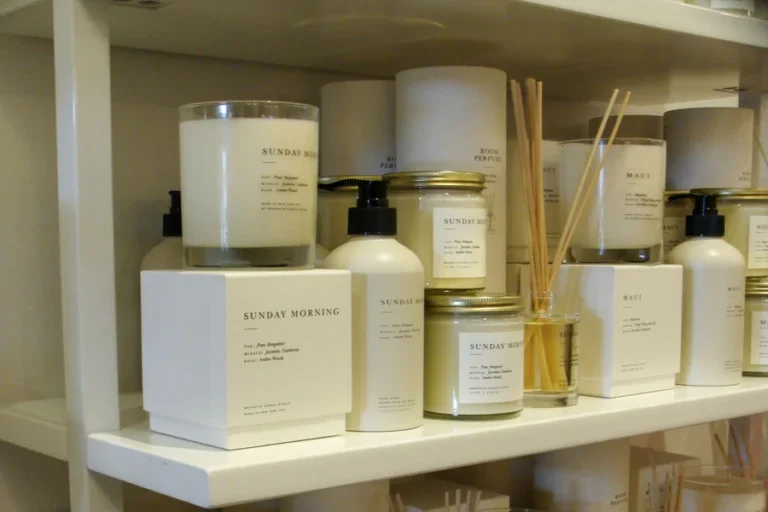
A jewellery brand needs lighting that makes pieces shine.
A skincare brand needs a clean, calming display.
A clothing brand needs space for customers to imagine the fit and lifestyle.
A home décor brand needs a styled environment.
A gift brand needs warmth and personality.
A tech accessory brand needs clarity and structure.
The pop-up should not feel like a table full of stock.
It should feel like a small version of the brand world.
This does not always require a huge budget. Sometimes one strong sign, good lighting, tidy product zones, and consistent brand colours can make a dramatic difference.
Oasis Neon Signs can help create that focal point, especially for retailers who want the pop-up to look intentional without overcomplicating the setup.
Temporary Does Not Mean Forgettable
A pop-up may only last a day, a weekend, a month, or a season.
But temporary does not mean casual.
Customers will still judge the brand based on what they see. They will still take photos. They will still compare the pop-up to other businesses nearby. They will still decide whether the retailer feels worth trusting.
A temporary space can create long-term brand memory.
That is the whole point.
A pop-up is often used to launch a product, test a location, meet customers, clear seasonal stock, build awareness, or create buzz around the brand. If the space looks forgettable, the opportunity becomes weaker.
A strong visual feature can help the brand stay in people’s minds after the pop-up is gone.
The Best Pop-Ups Feel Like an Experience
A pop-up store should not feel like a website printed onto a table.
It should give customers something they cannot get online.
A chance to touch the products.
A chance to ask questions.
A chance to meet the people behind the brand.
A chance to take photos.
A chance to feel the brand in real life.
That experience is what makes a pop-up valuable.
The physical space should make customers feel something. It might feel exciting, calm, luxurious, playful, creative, nostalgic, bold, or welcoming. Whatever the feeling is, it should match the brand.
Lighting helps shape that feeling quickly.
A glowing sign can make the space feel warmer, more immersive, and more memorable. It can create a mood that the products alone may not achieve.
Pop-Ups Are Built for Social Sharing
A pop-up store is naturally content-friendly.
It is temporary, visual, and tied to a moment. That makes people more likely to document it. Customers may post that they visited. Staff may share setup videos. The retailer may use the pop-up to create weeks of content from one physical event.
But shareable content does not happen automatically.
The space needs visual hooks.
A branded wall.
A glowing sign.
A clear product display.
A photo-friendly corner.
A phrase customers want to stand beside.
A logo that appears naturally in the background.
Light up signs custom made for pop-ups can help create that hook.
They give customers a reason to lift the camera.
Small Spaces Need Stronger Visual Anchors
Many pop-up stores are small.
A few square metres. A market stall. A booth. A shared retail corner. A wall display. A table setup inside a larger event.
Small spaces can easily feel crowded or overlooked.
That is why a strong visual anchor matters.
A custom sign draws attention upward or backward, helping define the space even when the footprint is limited. It helps separate the brand from the noise around it. It gives the setup a centre.
Without a visual anchor, a pop-up can look like stock placed in a temporary location.
With one, it starts to feel like a brand environment.
Staff Confidence Changes Too
Design does not only affect customers.
It affects the people running the pop-up.
When the space looks good, staff feel more confident inviting people in, filming content, taking photos, and representing the brand. The setup gives them something to stand behind.
That matters for online retailers who may be meeting customers face-to-face for the first time.
A polished space can help staff feel proud. It can make conversations easier. It can help them point to the brand story, explain products, and create stronger first impressions.
A good sign does not replace good customer service.
But it gives the team a stronger setting for it.
The Sign Can Be Used Again
One smart thing about custom signage is that it does not have to be used once.
A well-made sign can travel with the brand.
It can be used for future pop-ups, trade shows, market stalls, content shoots, product launches, retail counters, office walls, showrooms, or packaging photos. It can become part of the brand’s physical toolkit.
That makes an led sign custom designed for the business more than a one-event purchase.
It becomes a reusable asset.
For online retailers, that is valuable because brand moments happen in many places. The same sign can help the business look consistent whether it is at a pop-up, filming content, or appearing at an event.
Consistency helps people remember.
Why Oasis Neon Signs Fits Online Retail Pop-Ups
Oasis Neon Signs helps online retailers create signage that makes temporary spaces feel branded, polished, and memorable.
A pop-up sign needs to do several things at once. It should be visible, easy to photograph, aligned with the brand, practical for the space, and strong enough to reuse after the event.
Oasis Neon Signs can create custom signage for product launches, market booths, retail pop-ups, trade shows, brand activations, showroom corners, event stalls, and content backdrops.
Whether a retailer wants light up signs custom made for a campaign or an led sign custom built around a logo, product name, or brand phrase, the right sign can help the pop-up feel more established from the first moment customers see it.
A Pop-Up Is a Physical Landing Page
One useful way to think about a pop-up is this:
It is a physical landing page.
It has to attract attention.
Explain the brand quickly.
Show the product clearly.
Build trust.
Create interest.
Encourage action.
Stay memorable after the visit.
Online retailers already understand landing pages. They know how important layout, headlines, visuals, and calls to action are.
A pop-up works the same way, except customers are standing inside it.
That means signage is not just decoration.
It is part of the conversion experience.
The Brand Has to Feel Real
For online retailers, one of the biggest benefits of a pop-up is making the brand feel real.
Customers can finally see the products off-screen. They can meet the team. They can experience the packaging, colours, quality, and personality in person.
But for that moment to work, the space needs to support the brand story.
A strong sign helps make the business feel present. It gives the brand a physical name, shape, and glow. It turns the online store into something customers can stand in front of.
That moment can be powerful.
Especially for founders who have spent months or years building behind a screen.
Before Opening, Plan the Visual Memory
Before opening a pop-up, online retailers should ask one important question:
What will customers remember?
Not just what they will buy.
What will they photograph?
What will they tell someone about?
What will make the brand recognisable later?
What visual detail will connect the pop-up back to the online store?
The answer should be planned before setup day.
Products matter. Staff matter. Pricing matters. Payment systems matter. Stock levels matter.
But memory matters too.
A pop-up is only temporary, so the visual impression has to last longer than the event.
From Online Store to Real-World Brand
Opening a pop-up is a big step for an online retailer.
It means taking the brand out of the comfort of the website and putting it in front of real people, in real time, in a real space.
That can feel risky.
But it can also be one of the most exciting ways to grow.
A good pop-up can build trust, create content, introduce products to new customers, test demand, strengthen brand identity, and give the business a physical presence people remember.
With Oasis Neon Signs, light up signs custom designed for retail spaces, and an led sign custom made around the brand, online retailers can make that first physical step feel more professional, more memorable, and more shareable.
Because when an online brand opens a pop-up, it is not just opening a shop.
It is giving customers a place to finally meet the brand in real life.