Walls do much more than define a room. They influence how light moves through a space, how colors appear throughout the day, and even how large or comfortable a room feels. While paint color often receives most of the attention during a renovation, the surface beneath the paint can have just as much impact on the finished result.
One of the most common design decisions homeowners face is choosing between textured and smooth walls. Each option offers distinct advantages, but the right choice depends on factors such as architectural style, maintenance expectations, lighting conditions, and personal preference. Neither finish is universally better. Instead, each serves different purposes and creates a different visual experience.
Understanding how textured and smooth walls perform in real homes makes it easier to select a finish that complements both the space and the lifestyle of those who use it.
Understanding Smooth Walls
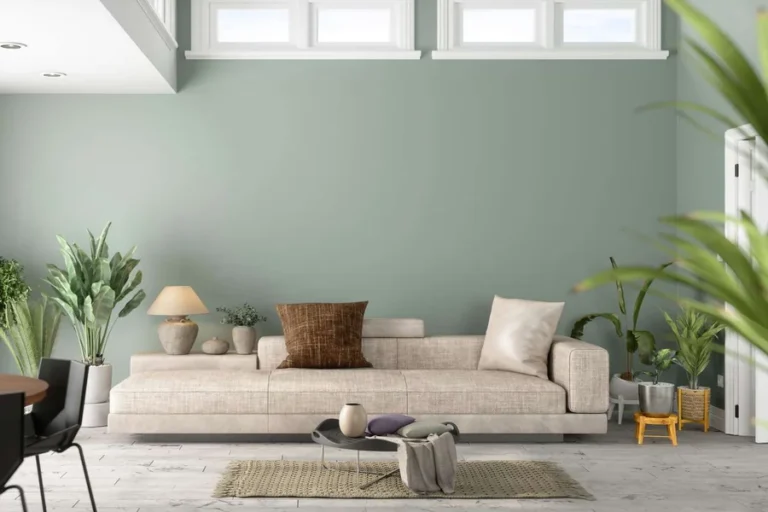
Smooth walls have a flat, even surface created through careful preparation, sanding, and finishing. This clean appearance has become increasingly popular in modern homes because it produces crisp lines and allows paint colors to appear uniform.
Unlike textured finishes, smooth walls reflect light more evenly across the surface. This characteristic creates a refined appearance that works particularly well in minimalist interiors and contemporary architecture.
However, achieving a flawless finish requires precision. Small imperfections in drywall installation, patching, or sanding are much easier to notice once paint is applied. As a result, creating truly smooth walls often demands more labor during construction or renovation.
What Are Textured Walls?
Textured walls feature intentional patterns or raised surfaces that add visual depth. These textures range from subtle finishes that barely catch the light to bold patterns that become decorative features on their own.
Popular wall textures include orange peel, knockdown, skip trowel, sand swirl, and comb finishes. Homeowners comparing these options may also consider different wall texture paint finishes before selecting a surface that suits the room’s design and practical requirements. Each technique creates a distinctive appearance while serving a practical purpose. Texture can disguise small imperfections in drywall, making it useful in homes where perfectly smooth surfaces would require significant repair work.
Textured finishes have remained common in many regions because they are durable, forgiving, and relatively efficient to install.
Visual Style and Interior Design
Design style often plays the largest role in choosing between textured and smooth walls.
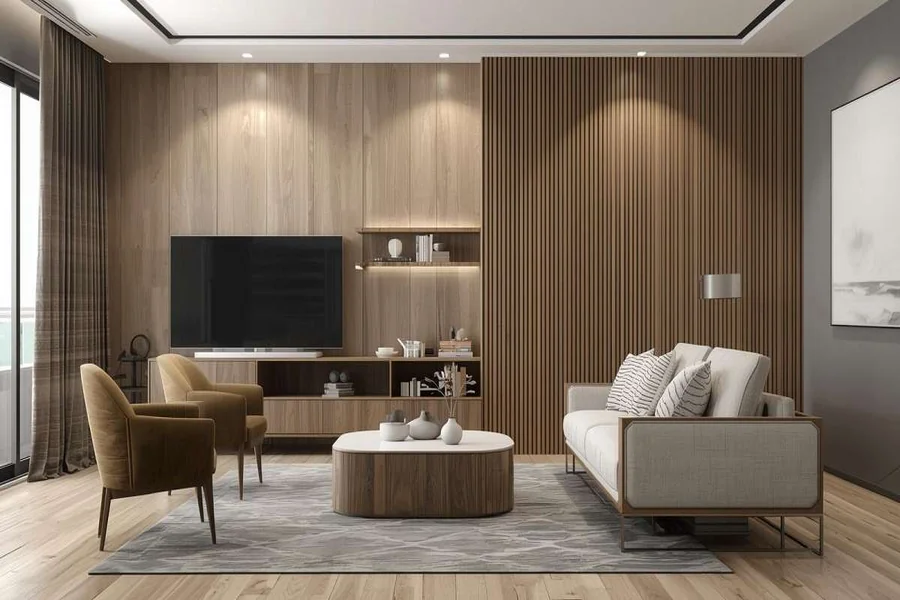
Smooth walls create a polished backdrop for artwork, decorative molding, and carefully selected furnishings. Because the surface itself remains understated, furniture, flooring, lighting, and architectural details become the focal points. This quality makes smooth walls a natural choice for modern, Scandinavian, contemporary, and transitional interiors.
Textured walls contribute visual interest even when a room contains minimal decoration. Their surface creates subtle shadows that add dimension, preventing large expanses of wall from appearing flat. Rustic homes, Mediterranean-inspired interiors, traditional spaces, and some farmhouse designs often benefit from textured finishes that introduce character without relying on additional decorative elements.
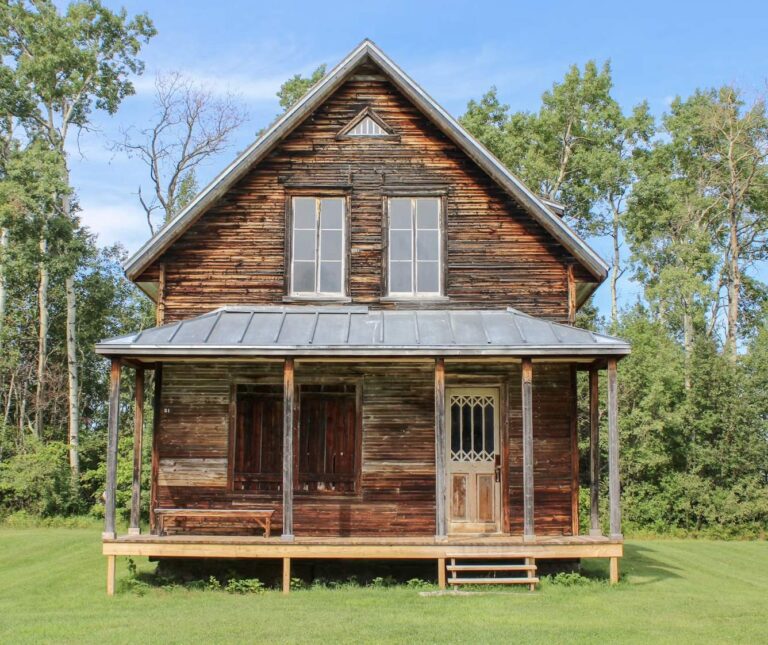
The architectural style of the home should also influence the decision. A sleek urban apartment often feels more cohesive with smooth walls, while a rustic cottage or older home may feel more authentic with a carefully selected texture. Homeowners in Canada who want texture without plaster work often visit specialist wallpaper stores Toronto designers recommend for grasscloth and embossed options.
Lighting Makes a Significant Difference
Lighting changes how every wall finish appears.
Natural sunlight tends to emphasize imperfections on smooth walls, particularly when windows cast light across the surface at an angle. Even small dents or uneven drywall joints may become visible under strong daylight.
Textured walls scatter light in multiple directions. This effect softens shadows created by minor surface flaws while adding depth that changes throughout the day as lighting conditions shift.
Artificial lighting also deserves consideration. Recessed lights positioned close to smooth walls can highlight imperfections that would otherwise go unnoticed. Meanwhile, textured finishes create gentle highlights and shadows that contribute warmth and visual variation.
Rooms with abundant natural light may benefit from carefully finished smooth walls, provided the installation quality is high. Spaces with less predictable lighting often accommodate textured finishes particularly well.
Maintenance and Cleaning
Maintenance requirements differ considerably between the two options.
Smooth walls are generally easier to wipe clean because there are no raised areas where dust can accumulate. A damp cloth or soft sponge can usually remove fingerprints, marks, and everyday dirt without much difficulty.
Textured walls require slightly more effort. Dust tends to settle within grooves and raised patterns, making regular cleaning somewhat more time-consuming. Deep textures may also trap cobwebs more easily, particularly near ceilings.
On the other hand, textured walls often conceal minor scratches, nail holes, and everyday wear better than smooth surfaces. Families with children or pets may appreciate this added forgiveness, especially in high-traffic areas.
Durability and Repairs
Wall damage is inevitable over time, whether from moving furniture, hanging artwork, or routine household activity.
Smooth walls make dents and patches highly visible. Repairing damage usually involves filling, sanding, priming, and repainting the affected area. Matching the surrounding finish requires patience because even slight inconsistencies become noticeable under certain lighting conditions.
Textured walls hide many forms of minor damage, but repairing larger areas can become more challenging. Matching an existing texture requires experience and the correct application technique. An imperfect repair may stand out more than the original damage if the texture pattern differs from the surrounding surface.
For homeowners planning future renovations or frequent repainting, repair considerations should become part of the initial decision.
Painting Considerations
Both wall finishes can be painted successfully, but they require different approaches.
Smooth walls typically require less paint because the surface area remains relatively flat. Rolling paint onto these walls is straightforward, producing an even finish with fewer coats in many situations.
Textured walls contain more surface area due to their raised patterns. As a result, they often require additional paint to achieve complete coverage. Painting also takes longer because the roller must reach into every recessed area.
When changing colors dramatically, textured walls may need extra coats to fully cover the existing finish.
Choosing a suitable paint becomes particularly important with textured surfaces, where thin coatings may fail to reach every contour.
Cost Differences
Installation costs vary depending on the project’s complexity.
Smooth walls generally require more preparation, extensive sanding, and closer attention to detail. These additional labor requirements often increase installation costs, especially when a premium finish is desired.
Textured walls can reduce labor during initial drywall finishing because minor imperfections become less noticeable beneath the texture. For builders constructing multiple homes, this efficiency can translate into lower overall finishing costs.
However, future renovations may shift the financial balance. Removing existing texture to create smooth walls can become an expensive and labor-intensive project involving scraping, skim coating, sanding, and refinishing.
Those planning long-term ownership should consider both immediate installation costs and potential renovation expenses.
Which Rooms Benefit Most from Smooth Walls?
Smooth walls work particularly well in spaces where simplicity and clean design take priority.
Living rooms with contemporary furniture often benefit from flat surfaces that allow artwork to stand out. Dining rooms, home offices, and bedrooms also gain a refined appearance when walls remain visually understated.
Bathrooms and kitchens frequently use smooth walls because cleaning painted surfaces is generally easier in areas exposed to moisture, cooking residue, or regular contact.
Luxury homes and high-end renovations commonly feature smooth walls because they contribute to an upscale, carefully finished appearance.
Where Textured Walls Make Sense
Textured walls remain a practical solution for many areas throughout the home.
Hallways, staircases, children’s bedrooms, and family rooms often experience heavier daily use. The ability to disguise small dents and imperfections makes textured finishes particularly valuable in these locations.
Older homes with uneven drywall or plaster can also benefit from subtle texture that minimizes visible flaws without requiring complete wall replacement.
Large walls in expansive rooms sometimes appear more inviting with a light texture that adds depth while avoiding an overly plain appearance.
The key is moderation. Modern design trends generally favor subtle textures over heavily patterned finishes that can appear dated.
Current Design Trends
Interior design preferences continue to evolve, and smooth walls have become increasingly common in newly built custom homes. Minimalist aesthetics, open floor plans, and large-format windows all pair naturally with clean wall surfaces.
Color selection also plays an important role in achieving the desired look. Homeowners planning a renovation can review interior paint colors to compare color ideas and consider how different shades may interact with wall texture, natural light, furniture, and other finishes.
Even so, texture has not disappeared. Designers increasingly use selective texture as an intentional design feature rather than applying it uniformly throughout an entire home. Decorative plaster finishes, limewash coatings, and handcrafted textures provide depth while maintaining a sophisticated appearance.
This balanced approach allows homeowners to introduce visual interest without overwhelming a room.
Final Thoughts
Choosing between textured and smooth walls is not simply a matter of following current trends. It requires balancing appearance, maintenance, budget, lighting, and the character of the home itself.
Smooth walls provide a clean, refined backdrop that complements modern interiors and allows architectural details and furnishings to take center stage. They require careful installation and make imperfections easier to spot, but many homeowners value their crisp, polished appearance.
Textured walls offer practicality, depth, and forgiveness. They conceal everyday wear, soften surface flaws, and introduce subtle character that suits many traditional and rustic spaces.
The most successful interiors are rarely defined by a single design rule. Instead, they reflect thoughtful decisions based on how each room will be used. By considering both aesthetics and long-term functionality, homeowners can select a wall finish that supports the overall vision for their living space while remaining practical for years to come.