

Introduction
Traveling internationally has become easier in many ways, but staying connected can still be challenging. Whether you are traveling for business, taking a family vacation, studying overseas, or exploring a new destination alone, reliable internet access can make the entire experience more convenient.
From checking maps and translating languages to booking transportation and communicating with family, travelers depend heavily on mobile connectivity. Fortunately, modern technology offers several practical solutions for staying online without relying entirely on expensive roaming services or unpredictable public Wi-Fi.
Two popular options are a portable wifi device and an esim for international travel. Both can provide convenient internet access, but they work differently and suit different types of travelers. Understanding how these options work can help you choose the right connectivity solution before leaving home.
Why Reliable Internet Matters When Traveling
Internet access is no longer simply a luxury for international travelers. It has become an essential travel tool.
A connected smartphone can help you navigate unfamiliar streets, find restaurants, translate signs, check flight updates, communicate with hotels, access digital tickets, and contact emergency services when necessary.
Travelers also use internet access for work. Remote employees, freelancers, entrepreneurs, and business travelers may need to attend online meetings, respond to clients, send documents, or access cloud-based platforms.
Because of this, planning mobile connectivity before a trip can prevent unnecessary stress.
What Is a Portable WiFi Device?
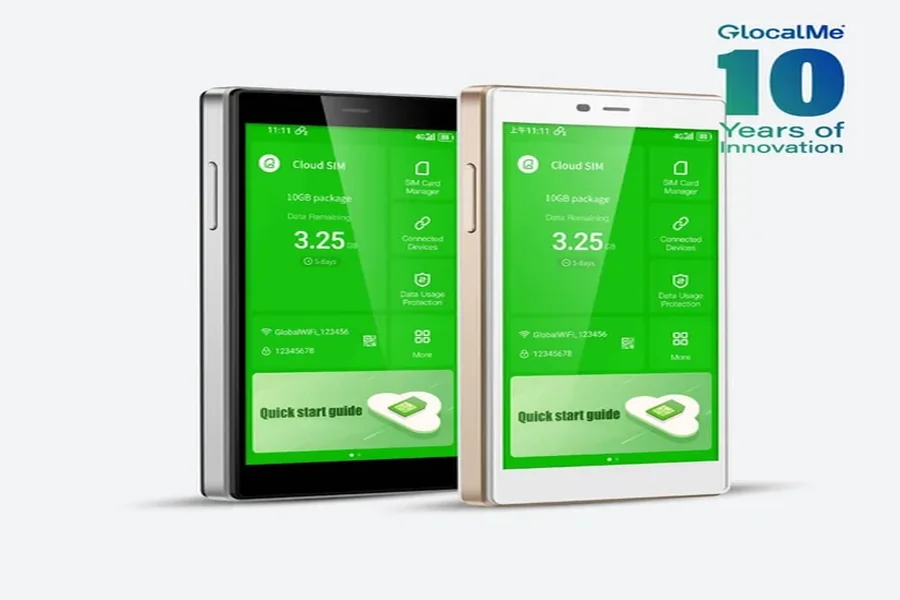
A portable wifi device is a small wireless router that allows compatible devices to connect to the internet through a cellular network. Instead of purchasing separate mobile data plans for every smartphone, tablet, or laptop, travelers can connect multiple devices to the same hotspot.
The device is generally compact enough to carry inside a pocket, handbag, or backpack. Once activated and connected to a supported mobile network, it creates a private Wi-Fi connection for nearby devices.
This can be particularly useful for people traveling with several gadgets.
Benefits of Using Portable WiFi
One major advantage of portable Wi-Fi is convenience. A single connection can potentially serve several devices simultaneously.
For example, a traveler could connect a smartphone, tablet, and laptop to the same hotspot. A family traveling together may also share the connection among multiple phones, depending on the device and data plan.
Another advantage is that users do not necessarily need to modify the SIM card inside their smartphone. This can be useful for travelers who want to keep their primary SIM active while using another connection for data.
Portable hotspots can also be useful for business travelers who need internet access on laptops and other Wi-Fi-enabled equipment.
What Is an eSIM?
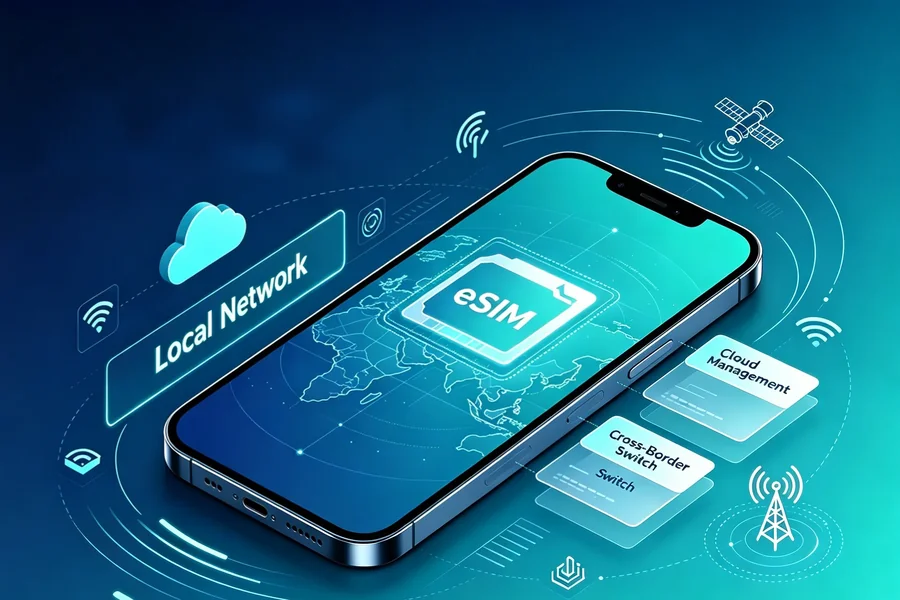
An eSIM, or embedded SIM, is a digital SIM technology built into compatible smartphones and other devices. Instead of inserting a physical SIM card, users can download and activate a mobile plan digitally.
An esim for international travel can make it easier to arrange mobile data before arriving at a foreign destination.
Depending on the provider, travelers may be able to purchase a plan online, install the eSIM before departure, and activate it according to the provider’s instructions when they reach their destination.
This removes the need to visit a physical store simply to purchase a local SIM card.
Why Travelers Choose International eSIMs
One of the biggest benefits of an international eSIM is convenience. Travelers can often manage their connectivity directly from their compatible smartphone.
There is no tiny physical SIM card to remove, store, or potentially lose.
Another advantage is flexibility. Depending on the available plans, users may select data packages based on destination, trip length, or expected usage.
For frequent travelers, digital connectivity can also make it easier to prepare for multiple destinations without carrying several physical SIM cards.
Portable WiFi vs. eSIM
Both options can provide internet access abroad, but their practical uses are different.
A portable hotspot is often suitable for travelers who need to connect several devices or share internet with companions. An eSIM can be more convenient for individuals who primarily need mobile data on their smartphone.
A traveler working from a laptop may prefer a portable hotspot because multiple devices can potentially use the same connection. Someone traveling alone with only a smartphone may find an eSIM simpler.
The best option depends on the number of devices, travel style, destination, and expected data consumption.
Think About Your Number of Devices
Before choosing a connectivity solution, consider how many devices you will actually use.
If your trip involves a smartphone, tablet, laptop, and perhaps another Wi-Fi-enabled device, carrying one hotspot may be convenient. Instead of setting up individual cellular plans, you can potentially connect everything through one network.
However, if your primary requirement is mobile data on a single compatible phone, an eSIM can provide a simpler setup.
Making this decision before traveling can save time once you arrive.
Consider Your Travel Group
Your travel companions can also influence your decision.
A family or group of friends may benefit from a shared Wi-Fi connection. One hotspot can potentially allow several people to access the internet, depending on the plan’s limitations.
Solo travelers have different needs. If there is only one smartphone involved, an international eSIM may reduce the amount of equipment they need to carry.
For couples, either option could work depending on whether both people need regular internet access and whether their devices support the required technology.
Check Device Compatibility Before Traveling
Technology compatibility is one of the most important things to check before purchasing any connectivity solution.
For eSIMs, the smartphone must support eSIM functionality, and the device may also need to be unlocked to use another carrier’s plan. Travelers should check these requirements before buying a plan.
For portable hotspots, users should verify that the device supports the networks and frequency bands available at their destination.
Doing this research before departure can help avoid connectivity problems during the trip.
Monitor Your Data Usage
Regardless of which option you choose, monitoring data usage is important.
Streaming high-resolution videos, downloading large files, using cloud applications, and making video calls can consume significant amounts of data.
Travelers can reduce unnecessary consumption by downloading maps, entertainment, and important documents before leaving their accommodation.
Turning off automatic updates and limiting background data for certain applications can also help a travel data package last longer.
Security Matters When Using Public Wi-Fi
Travelers often rely on free Wi-Fi at airports, hotels, cafes, and restaurants. Although convenient, public networks may not always provide the same level of privacy as a personal connection.
Using a personal hotspot or cellular data connection can reduce dependence on unsecured public networks.
Travelers should still follow basic security practices, including using strong passwords, keeping devices updated, and avoiding sensitive activities on networks they do not trust.
Plan Your Connectivity Before Departure
Waiting until you arrive at your destination to think about internet access can create unnecessary problems.
Before traveling, check your phone’s compatibility, review available data options, understand activation requirements, and determine how many devices need connectivity.
If you are considering an esim for international travel, installing the eSIM before departure may make the arrival process smoother, although activation rules vary between providers.
Likewise, if you plan to use a portable hotspot, charge the device and confirm that your selected plan works in the countries you intend to visit.
The Future of International Connectivity
Travel technology continues to become more digital and flexible. Physical SIM cards are gradually being complemented by eSIM technology, while compact hotspots continue to provide convenient shared connectivity.
As travelers become more dependent on digital services, reliable internet will remain an important part of international trip planning.
Future connectivity solutions are likely to focus even more on flexible plans, easier activation, broader coverage, and better support for multiple devices.
Conclusion
Staying connected while traveling internationally does not have to be complicated. Modern travelers can choose from several solutions depending on their needs, devices, destination, and travel companions.
A portable wifi device can be an excellent option for people who need to connect multiple devices or share a connection with others. Meanwhile, an esim for international travel can provide a convenient digital alternative for travelers who want mobile data without handling a physical SIM card.
The most important step is to plan ahead. By checking compatibility, comparing data requirements, understanding coverage, and selecting the right connectivity method before departure, travelers can spend less time worrying about internet access and more time enjoying their journey.