

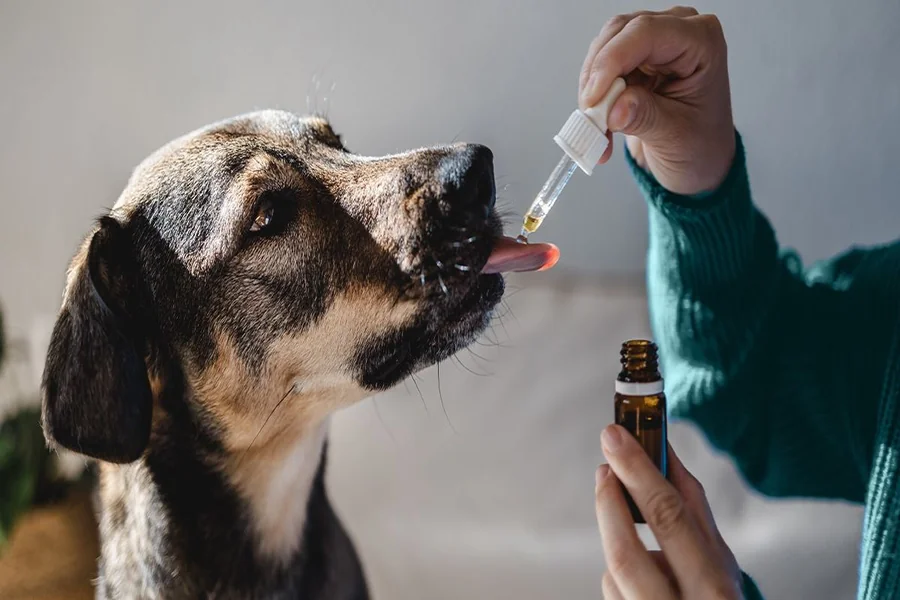
Everyday canine wellness depends on more than food and exercise. Restful sleep, comfortable movement, emotional steadiness, and a healthy response to routine changes all shape a dog’s quality of life. Small shifts in these areas may encourage pet parents to explore additional forms of support.
Cannabidiol, commonly known as CBD, is a non-intoxicating compound derived from hemp. Interest has grown among owners seeking plant-based options that can complement veterinary care and healthy daily habits. Responsible use still requires realistic expectations, transparent product information, and close attention to each animal’s response. This article will tell you more.
Support for Daily Balance
Discussions about CBD and dogs commonly focus on the endocannabinoid system, a network involved in several regulatory processes throughout the body. Cannabinoid receptors appear in areas connected with mood, discomfort, immune activity, and normal neurological function. CBD may influence this system indirectly, although individual results can differ according to age, weight, metabolism, health history, and formulation. Research published through the National Library of Medicine found that 38% of 2,002 surveyed Danish dog owners had used or administered cannabinoid products to their pets. The figure reflects substantial owner interest rather than proof that every dog will experience the same benefit.
Reasons Owners Explore Cannabidiol
Pet parents may consider hemp-derived support when everyday changes begin to affect comfort or routine. Common wellness goals include:
- Supporting calm behavior during visitors, storms, travel, or schedule changes.
- Promoting comfortable movement after exercise or during senior years.
- Encouraging a settled nighttime routine.
- Supporting normal appetite and general engagement.
- Helping a dog remain comfortable during unfamiliar situations.
These goals should remain part of a complete care plan. Nutritious meals, suitable activity, enrichment, preventive examinations, and prescribed treatment still provide the foundation for long-term health.
Read the Laboratory Report
A certificate of analysis offers more useful information than attractive packaging or broad marketing language. Pet parents should check:
- The measured CBD concentration and serving strength.
- The amount of THC detected in the tested batch.
- Results for pesticides, heavy metals, microbes, and residual solvents.
- The laboratory name, report date, and matching batch number.
- A complete ingredient list without unexplained blends.
The report should correspond with the code printed on the bottle or package. Missing results, outdated documents, or major differences between the label and laboratory findings deserve caution.
Track Meaningful Changes
A simple wellness journal can help owners evaluate CBD and dogs with greater care. Useful notes may cover appetite, energy, sleep duration, movement, social interest, stool quality, and reactions to familiar stressors. Records taken at the same times each day provide clearer comparisons than memory alone.
Positive changes should appear consistent and relevant to the original wellness goal. Excessive sleepiness, vomiting, diarrhea, poor coordination, reduced appetite, or unusual behavior requires prompt veterinary advice. A supplement should be paused when a concerning reaction develops.
Veterinary Review Comes First
Professional guidance matters because cannabidiol may affect how the body processes certain medications. Dogs with liver conditions, complex prescriptions, pregnancy, advanced age, or serious illness need particular care before a hemp product enters their routine. Human cannabis products should never serve as substitutes for pet-appropriate formulas. They may contain unsafe THC levels, xylitol, chocolate flavoring, concentrated sweeteners, or unsuitable additives. Secure storage also protects curious pets from accidental overconsumption.
Cannabidiol may complement a thoughtful everyday wellness plan for suitable dogs. Clear testing, careful records, and veterinary guidance create a safer approach. The dog’s comfort and individual response should guide every decision.