A wildlife-focused trip offers more than a simple vacation. It gives travelers the chance to observe animals in their natural environment, learn about local ecosystems, and enjoy landscapes that may be difficult to experience anywhere else. The quality of the lodge can strongly affect the entire trip, especially in a remote destination where transportation, weather, and outdoor activities require careful planning. Travelers researching Katmai National Park lodging should look beyond room photos and nightly prices. A great lodge should provide safe access to wildlife areas, knowledgeable guides, comfortable accommodations, dependable meals, and responsible viewing practices. These features help guests enjoy nature while reducing stress and protecting the animals they came to see.
A Location Close to Wildlife Areas
Location is one of the most important features of a wildlife lodge. A lodge that is close to viewing areas can reduce travel time and give guests more opportunities to observe animals throughout the day. Long boat rides or flights may limit how much time visitors can spend outdoors. A well-located lodge may allow guides to plan morning and afternoon excursions based on wildlife activity, weather, and local conditions. This flexibility can be especially valuable because animals do not follow a fixed schedule. The surrounding environment should also support a variety of outdoor experiences. Rivers, coastal areas, forests, and open landscapes may attract different wildlife species and provide excellent opportunities for photography and observation. A convenient location allows guests to spend more time connecting with nature and less time traveling between activities.
Experienced and Knowledgeable Guides
A skilled guide can turn a basic wildlife sighting into a meaningful learning experience. Guides should understand animal behavior, seasonal movement, local geography, and safe viewing distances. They should be able to explain what guests are seeing without overwhelming them with difficult terms. Visitors may want to learn how bears search for food, how birds use the surrounding habitat, or how weather affects wildlife activity. Experienced guides also know how to read animal behavior. They can recognize signs of stress, aggression, curiosity, or discomfort. This knowledge helps the group remain safe while avoiding actions that could disturb the animals. Travelers should ask about guide training, local experience, emergency preparation, and group size. A knowledgeable guide provides both education and peace of mind during every excursion.
Strong Wildlife Safety Practices
Wildlife safety should be a clear priority at any remote lodge. Guests must understand that wild animals can behave unpredictably, even when they appear calm. A responsible lodge should provide a detailed safety briefing before outdoor activities begin. This may include instructions about staying with the group, avoiding sudden movements, keeping food secured, and maintaining a safe distance from wildlife. The lodge should also have clear rules for walking around the property, storing scented items, and responding to unexpected animal encounters. Emergency communication equipment, first-aid supplies, and trained staff should be available. Safety rules should be explained in simple language so every visitor can understand them. Strong safety practices allow guests to focus on the experience without ignoring the risks of entering a wild environment.
Responsible and Respectful Viewing
A great wildlife lodge should care about more than helping guests get close to animals. It should also protect the wildlife and the surrounding habitat. Responsible viewing means keeping an appropriate distance, avoiding loud noises, and never feeding or approaching wild animals. Guides should choose viewing locations that allow guests to observe natural behavior without blocking movement or causing stress. Group sizes should also be controlled. Smaller groups are often quieter and easier to manage. They may provide better visibility while reducing pressure on the environment. A lodge that follows responsible bear-viewing practices helps protect both visitors and animals. Respectful tourism allows future travelers to enjoy the same natural areas without causing unnecessary harm.
Comfortable Rooms After Outdoor Activities
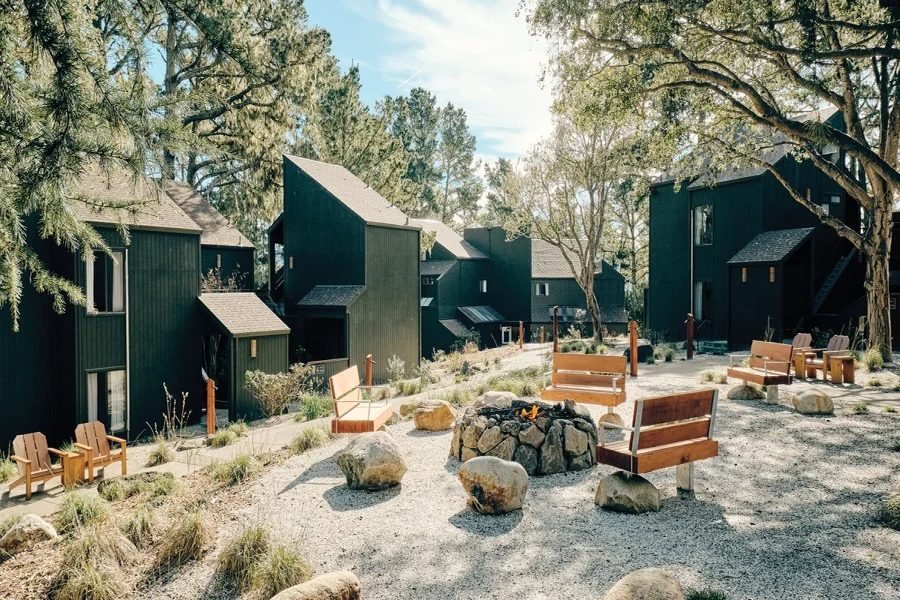
Wildlife trips can involve long hours outside in cold, wet, windy, or muddy conditions. Guests need a comfortable place to rest at the end of the day. Quality accommodations do not need to be luxurious, but they should be clean, warm, and practical. Comfortable beds, dry storage areas, heating, and dependable bathroom facilities can make a major difference. Travelers may also need space for outdoor clothing, boots, backpacks, binoculars, and camera equipment. Hooks, shelves, drying areas, and charging options can be especially useful. Before choosing Katmai National Park lodging, guests should understand whether rooms and bathrooms are private or shared. Clear information helps visitors choose an accommodation style that matches their comfort level. A restful room gives travelers the energy they need for the next day’s adventure.
Dependable Meals and Snacks
Outdoor excursions require energy, especially when guests spend several hours walking, standing, or traveling by boat. A good lodge should provide filling meals that support an active schedule. Travelers should ask how many meals are included and whether snacks or drinks are provided during longer trips. Packed lunches may be necessary when groups remain away from the lodge for several hours. The lodge should also ask about food allergies and dietary needs before arrival. Vegetarian, vegan, gluten-free, and other meal requests may require advance notice due to the remote location. Reliable meal service makes the trip easier because guests do not need to plan, carry, and prepare all their food. Well-organized meals add comfort and help visitors stay focused during daily activities.
Flexible Daily Schedules
Wildlife activity can change according to weather, food sources, season, and time of day. A great lodge should not follow a schedule that is too strict. Experienced staff may adjust excursion times when conditions change. They may recommend visiting one area in the morning and another later in the day. Flexible planning can improve viewing opportunities while keeping guests safe. Travelers should understand that delays and schedule changes are common during a remote wilderness stay. Flights, boats, and outdoor activities may be affected by fog, wind, rain, or poor visibility. A lodge should communicate changes clearly and offer suitable alternatives when possible. Flexible scheduling creates a more realistic and less stressful wildlife experience.
Small Groups and Personal Attention
Small group sizes can improve safety, comfort, and visibility. Guests may find it easier to hear the guide, ask questions, and photograph wildlife without competing for space. Guides can also pay closer attention to individual needs. This is helpful for first-time visitors, families, older travelers, and guests with mobility concerns. Before booking, travelers should ask how many people join each excursion and whether groups are divided based on activity level or interests. Photography-focused visitors may prefer a slower schedule, while active guests may enjoy longer walks or more challenging terrain. Personal attention can make a wildlife trip feel more organized and meaningful.
Support for Wildlife Photography
Many wildlife lovers bring cameras to capture the experience. A photography-friendly lodge should understand the needs of guests carrying valuable equipment. Useful features may include secure storage, dry indoor spaces, charging access, and enough room to organize cameras and lenses. Guides should also know how to position the group without disturbing wildlife. Photographers may benefit from longer viewing times and smaller groups. Good guides can help guests understand lighting, animal movement, and safe positions while still respecting the natural environment. Guests should remember that wildlife photography requires patience. Animals may be far away, hidden, or less active during certain conditions. A supportive lodge creates opportunities without making unrealistic promises.
Clear Information About Transportation
Many wildlife lodges are located in areas that require travel by small aircraft or boat. Guests should receive clear instructions about arrival points, luggage limits, transfer times, and possible weather delays. Remote transportation can change with little notice. A dependable lodge should explain how guests will be contacted if plans are adjusted. Staff should also provide guidance about what to keep in carry-on bags, including medication, warm layers, and important documents. Travelers should ask whether transfers are included in the package price. Knowing these details early can prevent confusion and unexpected expenses. Clear transportation planning helps the journey feel more manageable from the beginning.
Transparent Pricing and Package Details
Wildlife lodge packages can include different services. Some prices may cover accommodations, meals, transportation, guides, and daily excursions. Others may only include the room. Travelers should request a full list of what is included and what costs extra. Possible additional expenses may include flights, equipment rentals, special tours, gratuities, or extra nights caused by weather delays. Cancellation and refund policies should also be reviewed carefully. Remote trips may be affected by conditions outside the lodge’s control, so guests should understand their options before paying a deposit. Transparent pricing makes it easier to compare value and plan a realistic travel budget.
A Strong Commitment to the Environment
Wildlife lovers often choose remote destinations because they care about nature. A great lodge should show the same respect for the environment. Responsible operations may include proper waste management, reduced plastic use, careful water use, and clear rules for protecting the landscape. Staff should encourage guests to leave natural areas as they find them. The lodge should also avoid activities that change animal behavior or damage sensitive habitats. Protecting the environment should remain more important than creating a dramatic photo opportunity. A strong conservation approach shows that the lodge values the destination for more than tourism.
Choosing the Right Wildlife Lodge
A great lodge combines safety, comfort, education, and respect for nature. Travelers should look for experienced guides, small groups, flexible schedules, responsible viewing rules, dependable meals, and clear transportation plans. The best Katmai National Park lodging option will not simply provide a bed. It will create a well-organized base where guests can explore responsibly, rest comfortably, and learn about the wildlife around them. Careful research can help travelers avoid surprises and choose a lodge that supports their goals. The right property makes it possible to enjoy unforgettable wildlife encounters while protecting the natural environment for years to come.